
TL;DR
Apportioned voting is a new electoral system that combines features of proportional representation with cumulative and ranked-choice voting methods.
Contribution
The novel contribution is the introduction of apportioned voting, a hybrid electoral system designed for large-scale elections.
Findings
Apportioned voting efficiently handles elections with many voters and candidates.
The system is implemented using Octave scripts for practical use.
Examples demonstrate its performance in various electoral scenarios.
Abstract
The paper introduces a new electoral system, based on proportional representation, called apportioned voting because each vote is apportioned among the candidates. Apportioned voting can be thought of as an enhanced and generalized hybrid of cumulative voting and single transferable vote (also known as proportional ranked-choice voting). Apportioned voting can efficiently handle government and corporate elections with large numbers of voters, positions to fill, and candidates. The paper provides a detailed description of apportioned voting, illustrative examples of apportioned voting’s election performance, and the Octave scripts used to implement apportioned voting and compute the example results.
Genes, proteins, chemicals, diseases, species, mutations and cell lines named across the full text — each resolved to its canonical identifier and authoritative record.
Click any figure to enlarge with its caption.
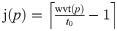 Figure 1
 Figure 2
 Figure 3
 Figure 4
 Figure 5
 Figure 6
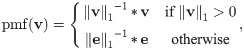 Figure 7
 Figure 8
 Figure 9
 Figure 10
 Figure 11
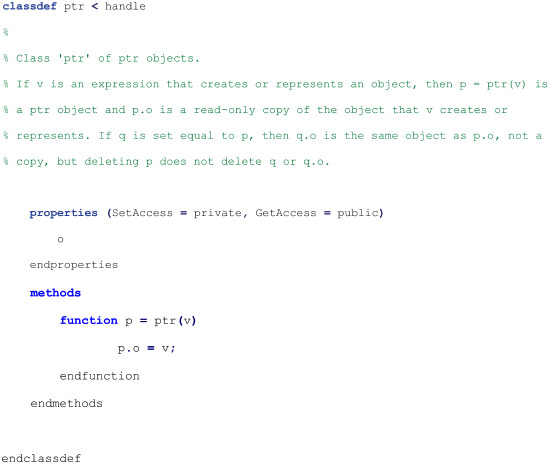 Figure 12
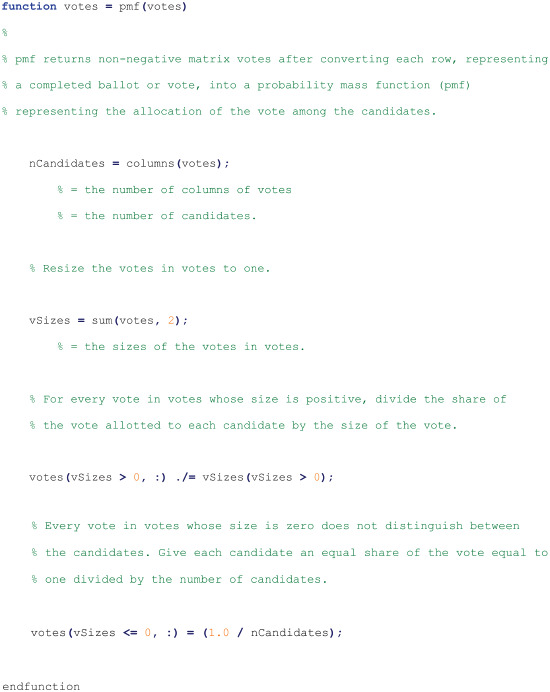 Figure 13
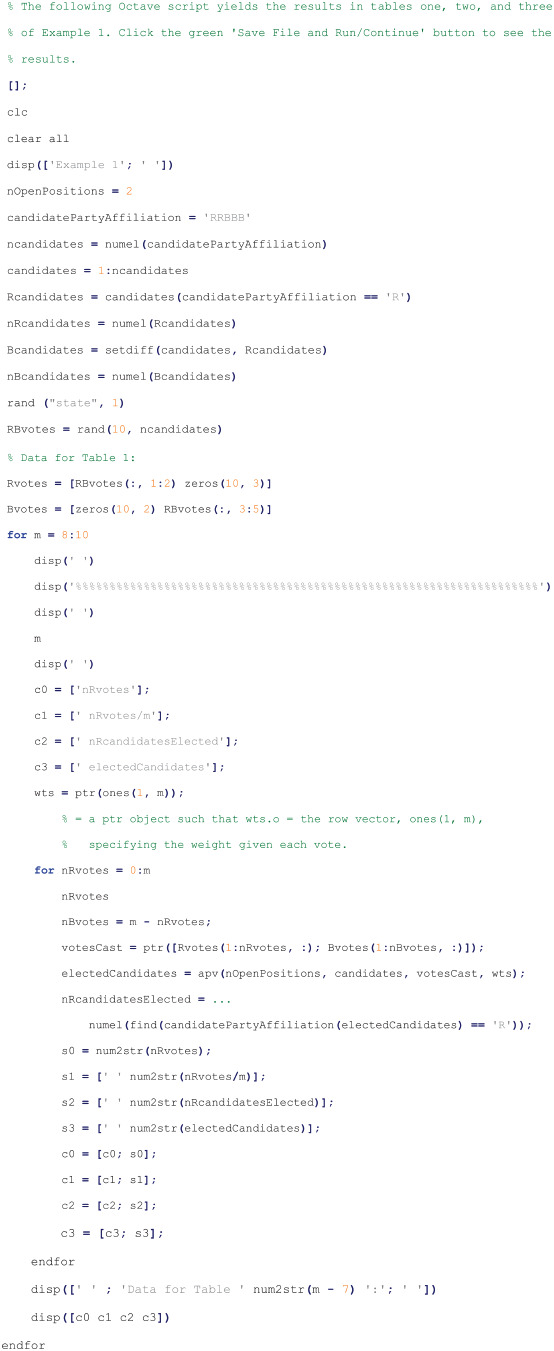 Figure 14
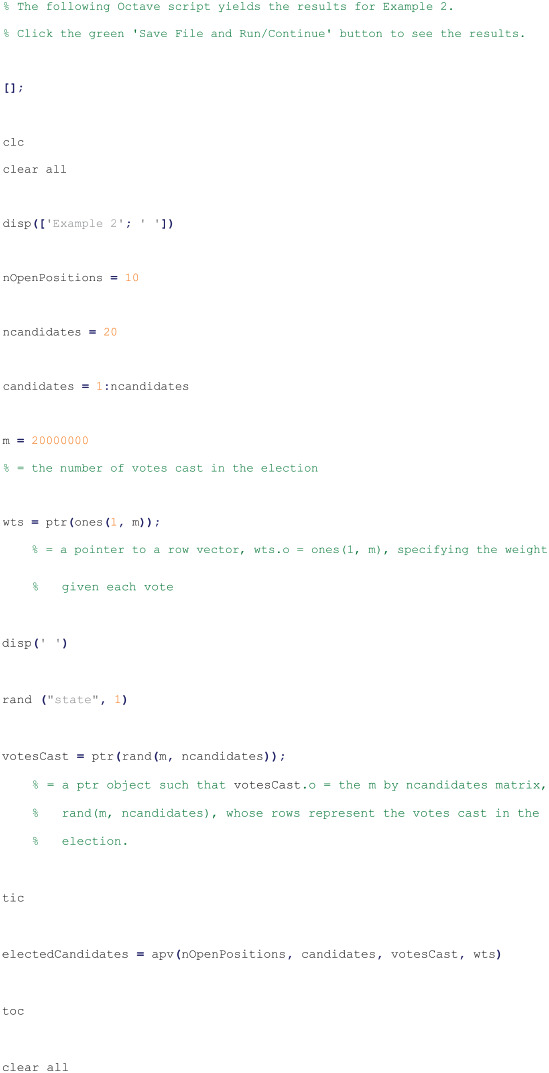 Figure 15
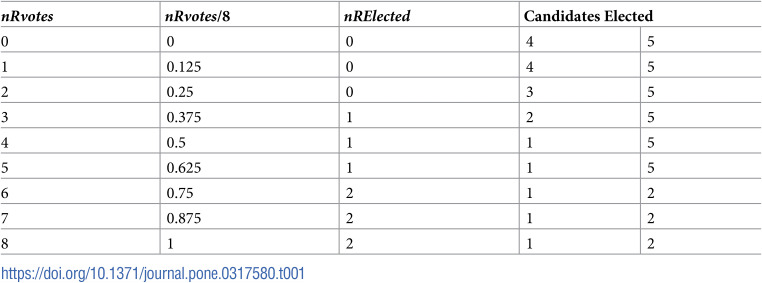 Figure 16
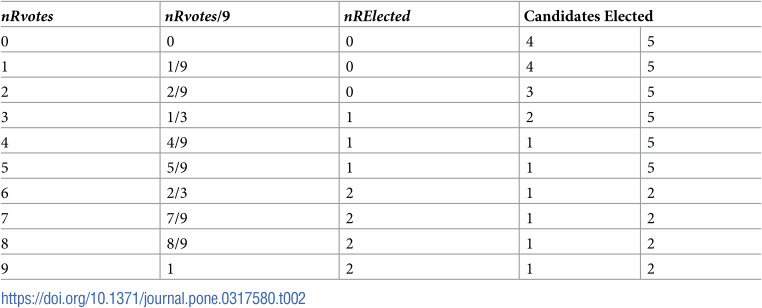 Figure 17
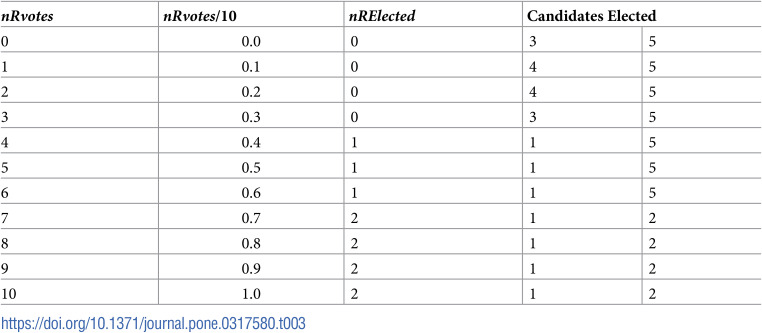 Figure 18
Peer Reviews
No public reviews on file for this paper yet. If you reviewed it on a platform where reviews are public (OpenReview, ICLR, NeurIPS, ICML), you can paste yours below so the community can read it here.
Videos
No videos yet. Explain this paper in a talk, walkthrough, or lecture? Add one.
Taxonomy
TopicsGame Theory and Voting Systems · Electoral Systems and Political Participation · Internet Traffic Analysis and Secure E-voting