What do we actually want to experience? A computational metric for assessing reward values
Christian E. Waugh, Adam P. Porth, Xuanyu Fang, L. Paul Sands, Kenneth T. Kishida

TL;DR
This paper introduces a new method to measure how rewarding people find experiences without relying on self-reporting, showing it better predicts behavior than explicit ratings.
Contribution
A novel computational metric for inferring reward values of experiences using reinforcement learning and modeling.
Findings
Participants showed higher cRV for positive images and more attractive faces.
cRVs were sensitive to context and individual differences.
cRVs predicted behavior better than explicit self-reported values.
Abstract
People’s motivation to have different experiences is predicated on how much they find those experiences rewarding or not, and these reward values are not always fully accessible to our consciousness. In two studies, we demonstrate that using a combination of reinforcement learning (RL) paradigms and computational modeling, we can measure computationally inferred reward values (cRV) of experiences, which do not rely on conscious self-report. Consistent with motivational reward theory, convenience samples of participants exhibited higher cRV (greater reward value of that experience) to viewing positive vs. negative images (subject pool; Study 1) and to viewing more vs. less attractive faces (online sample; Study 2). Further, these cRVs were sensitive to context (familiarity vs. novelty of images, Study 1) and to individual differences (attraction preference, Study 2). Lastly, although…
Genes, proteins, chemicals, diseases, species, mutations and cell lines named across the full text — each resolved to its canonical identifier and authoritative record.
Click any figure to enlarge with its caption.
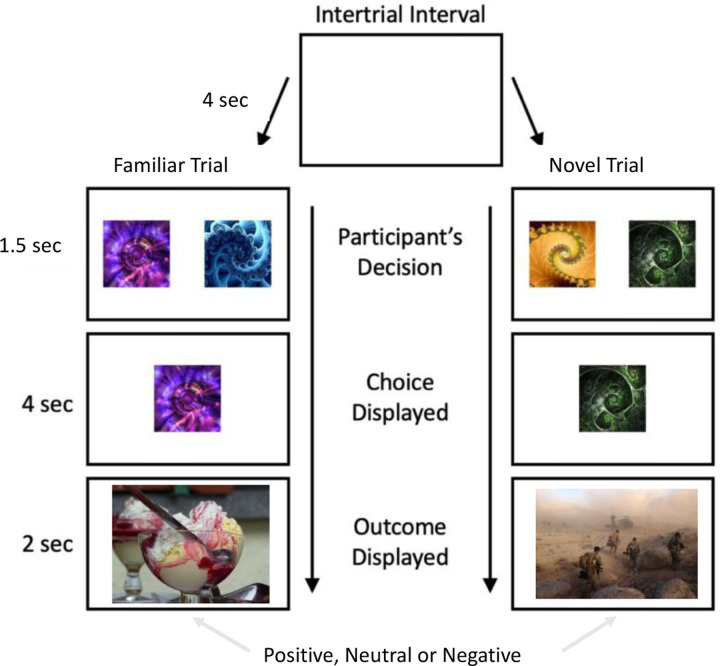 Figure 1
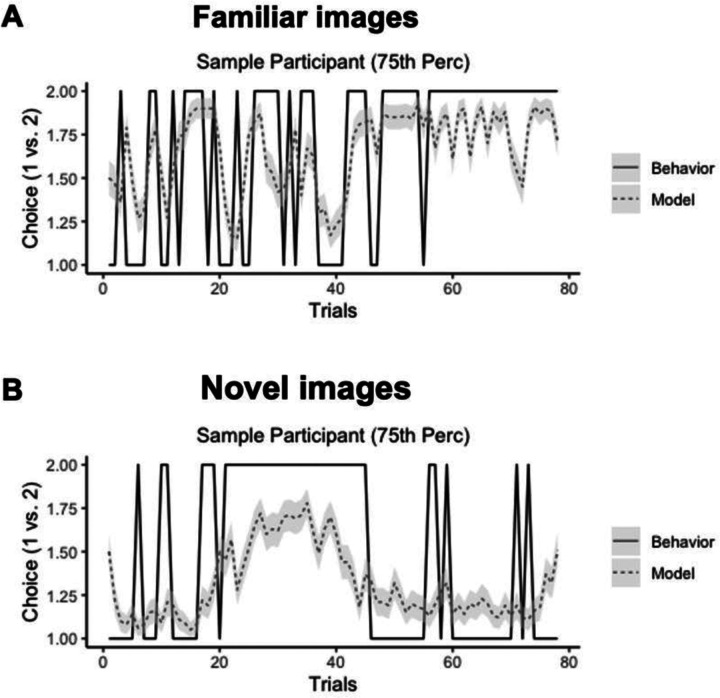 Figure 2
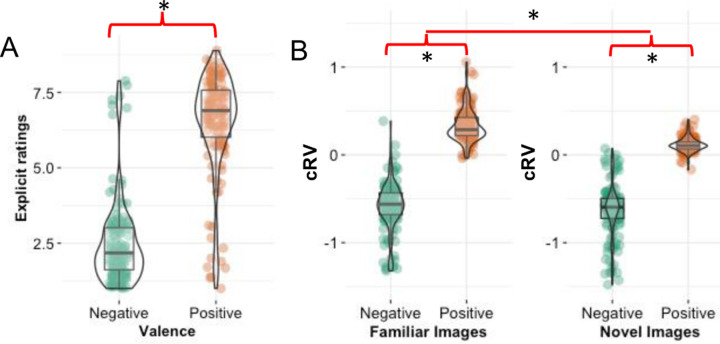 Figure 3
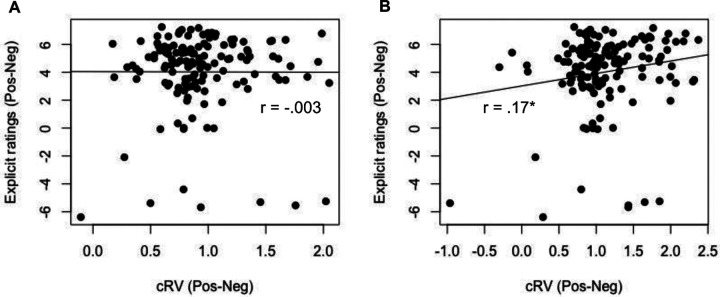 Figure 4
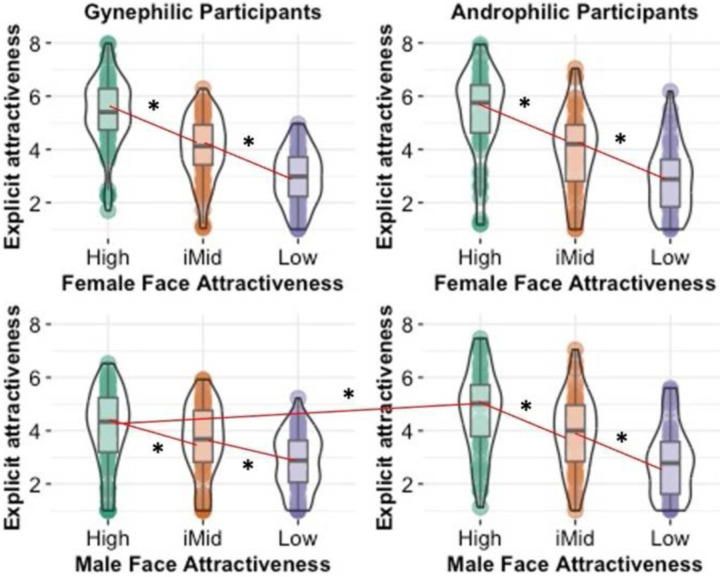 Figure 5
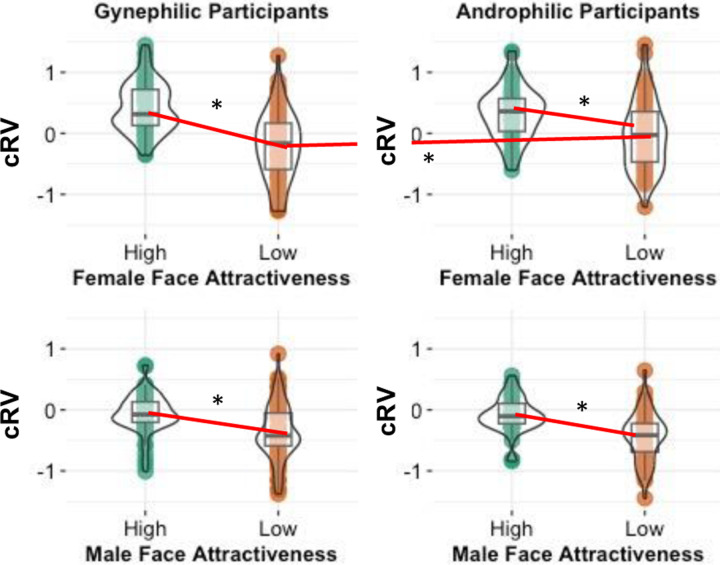 Figure 6
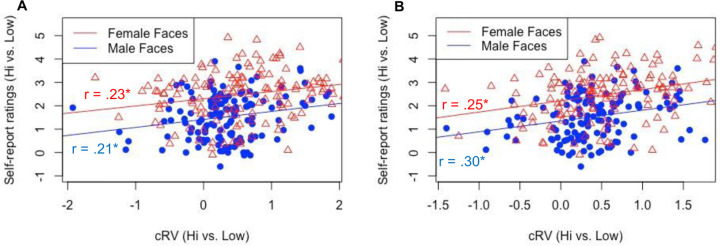 Figure 7
Peer Reviews
No public reviews on file for this paper yet. If you reviewed it on a platform where reviews are public (OpenReview, ICLR, NeurIPS, ICML), you can paste yours below so the community can read it here.
Videos
No videos yet. Explain this paper in a talk, walkthrough, or lecture? Add one.
Taxonomy
TopicsBehavioral Health and Interventions · Cultural Differences and Values · Social and Intergroup Psychology