Effect of chemical modification on the exon-skipping activity of heteroduplex oligonucleotides
Takenori Shimo, Juri Hasegawa, Kotaro Yoshioka, Yusuke Nakatsuji, Kotomi Aso, Keisuke Tachibana, Tetsuya Nagata, Takanori Yokota, Satoshi Obika

TL;DR
This paper shows that using a special type of DNA called heteroduplex oligonucleotides improves the ability of another DNA to regulate gene splicing in cells and in mice.
Contribution
The study introduces how complementary strand design in HDOs enhances exon-skipping activity of LNA-based oligonucleotides.
Findings
HDO technology increases the exon-skipping activity of LNA-based SSOs in vitro.
Complementary oligonucleotide design significantly affects intracellular stability and exon skipping.
HDSSOs show higher exon-skipping activity than single-stranded SSOs in mdx mice.
Abstract
We applied heteroduplex oligonucleotide (HDO) technology, which uses an oligonucleotide hybridized with a complementary strand, to efficiently deliver locked nucleic acid (LNA)-based splice-switching oligonucleotides (SSOs) to the nucleus. Using an in vitro assay involving cationic lipids, we revealed that HDO technology increased the exon-skipping activity of LNA-based SSOs. To assess the effect of heteroduplex SSOs (HDSSOs) on exon-skipping activity, we designed and evaluated various HDSSOs using a series of complementary oligonucleotides with different sugar chemistries (DNA, RNA, and LNA), linkages (phosphodiester; PO and phosphorothioate; PS linkages), and lengths. HDO with different complementary oligonucleotide designs demonstrated a variety of exon-skipping activities. Next, we investigated the intracellular behavior of HDOs, which seemed to affect their efficient exon-skipping…
Genes, proteins, chemicals, diseases, species, mutations and cell lines named across the full text — each resolved to its canonical identifier and authoritative record.
Click any figure to enlarge with its caption.
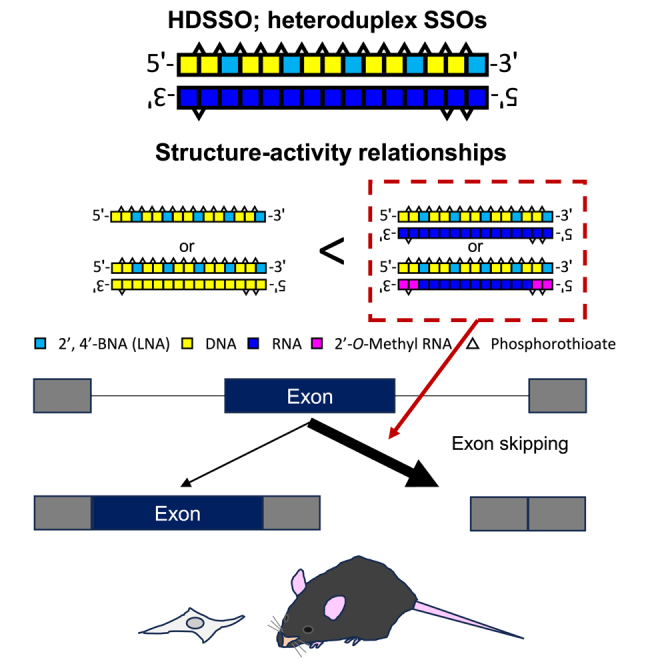 Figure 1
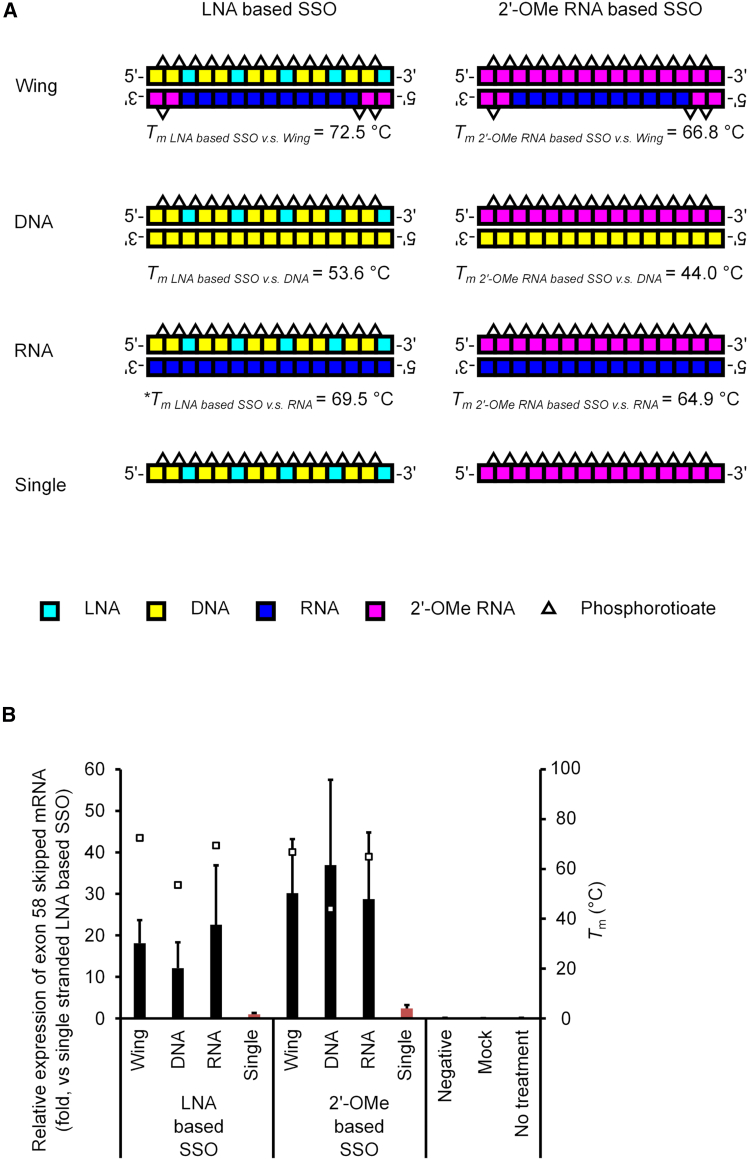 Figure 2
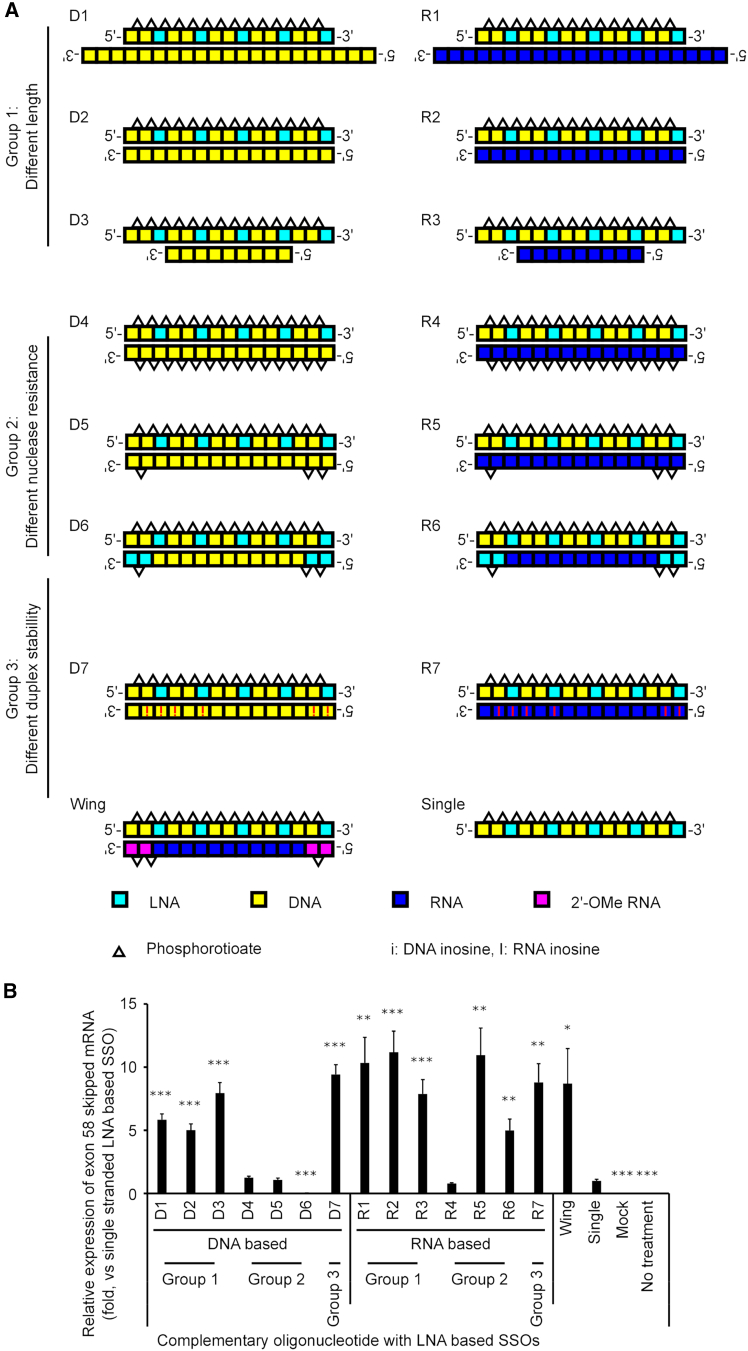 Figure 3
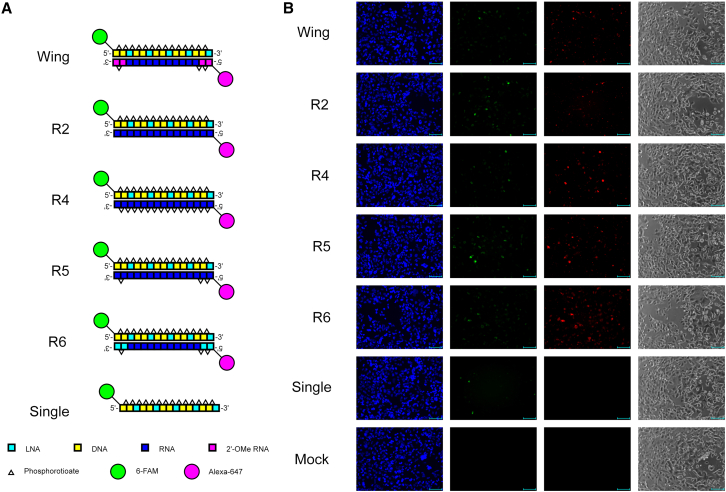 Figure 4
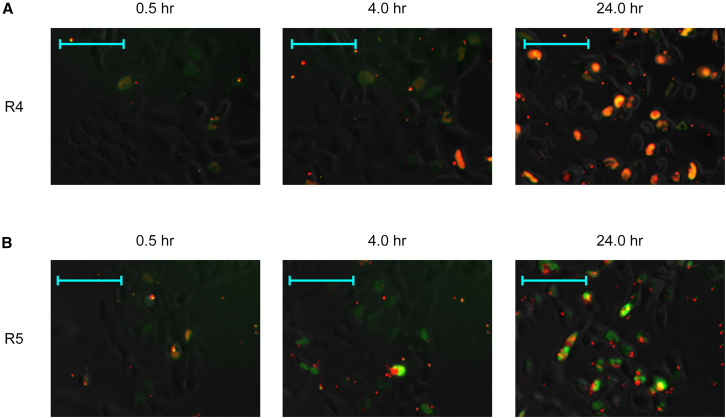 Figure 5
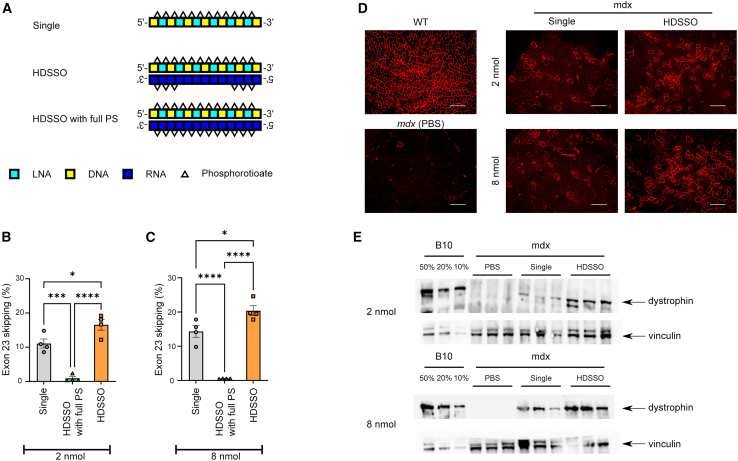 Figure 6
Peer Reviews
No public reviews on file for this paper yet. If you reviewed it on a platform where reviews are public (OpenReview, ICLR, NeurIPS, ICML), you can paste yours below so the community can read it here.
Videos
No videos yet. Explain this paper in a talk, walkthrough, or lecture? Add one.
Taxonomy
TopicsDNA and Nucleic Acid Chemistry · RNA Interference and Gene Delivery · Advanced biosensing and bioanalysis techniques