A computational dynamic systems model for in silico prediction of neural tube closure defects
Job H. Berkhout, James A. Glazier, Aldert H. Piersma, Julio M. Belmonte, Juliette Legler, Richard M. Spencer, Thomas B. Knudsen, Harm J. Heusinkveld

TL;DR
This paper introduces a computational model that simulates neural tube closure and predicts defects like spina bifida without using animals.
Contribution
A novel dynamic systems agent-based model for simulating and predicting neural tube defects using cell signaling and biomechanics.
Findings
The model predicts the nature and probability of neural tube defects from genetic perturbations.
Model predictions align with biological phenotypes observed in existing research.
The model offers a promising tool for animal-free developmental toxicity assessment.
Abstract
•Developed a dynamic systems agent-based model of neural tube closure.•Simulates mammalian neural tube closure using cell signaling and biomechanics.•Predicts both the nature and probability of defects from genetic perturbations.•Model predictions align with biological phenotypes observed in existing research.•Promising tool for animal-free, probabilistic assessment of developmental toxicity. Developed a dynamic systems agent-based model of neural tube closure. Simulates mammalian neural tube closure using cell signaling and biomechanics. Predicts both the nature and probability of defects from genetic perturbations. Model predictions align with biological phenotypes observed in existing research. Promising tool for animal-free, probabilistic assessment of developmental toxicity. Neural tube closure is a critical morphogenetic event during early vertebrate development. This…
Genes, proteins, chemicals, diseases, species, mutations and cell lines named across the full text — each resolved to its canonical identifier and authoritative record.
Click any figure to enlarge with its caption.
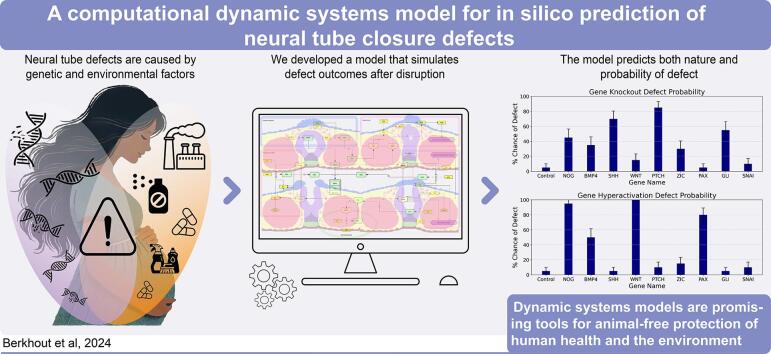 Figure 1
 Figure 2
 Figure 3
 Figure 4
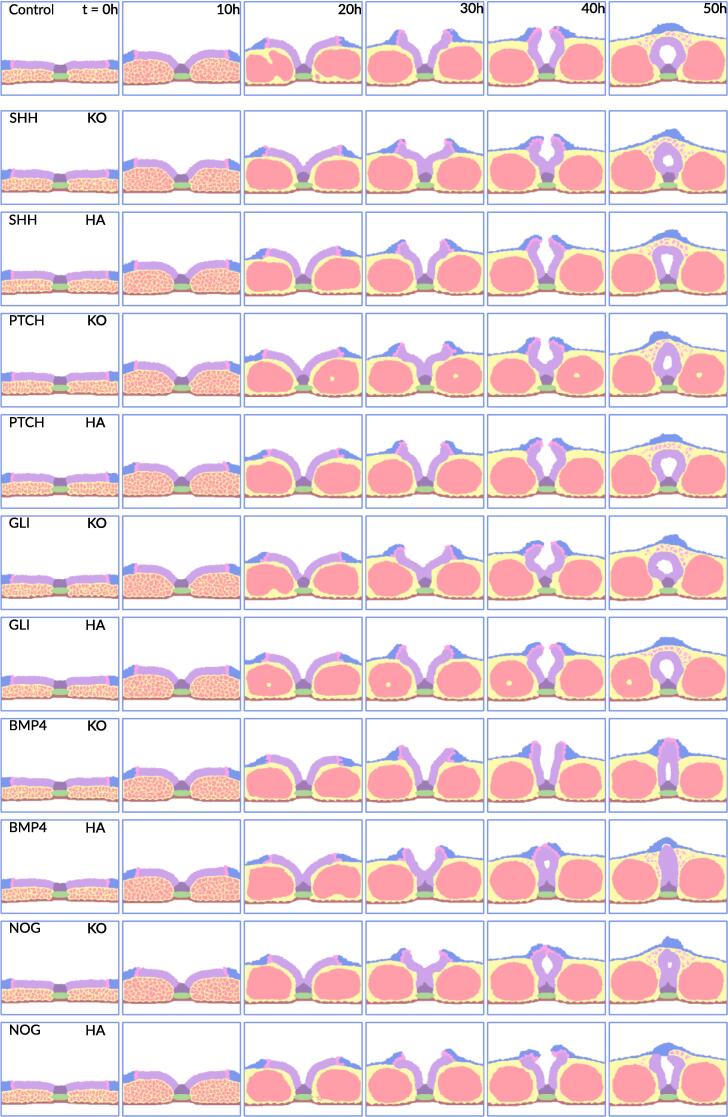 Figure 5
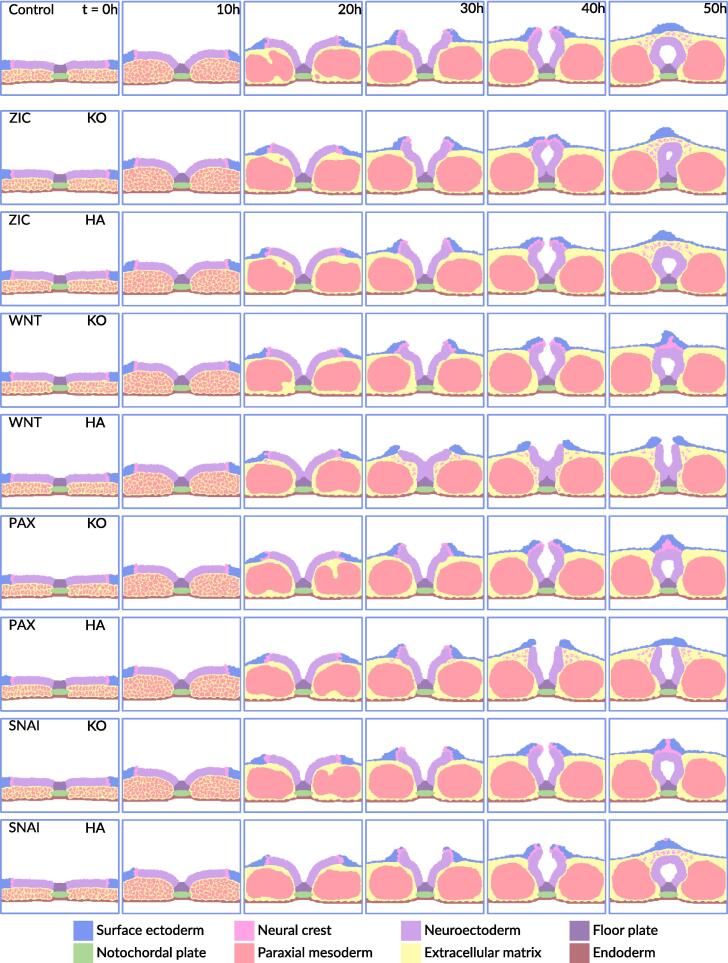 Figure 6
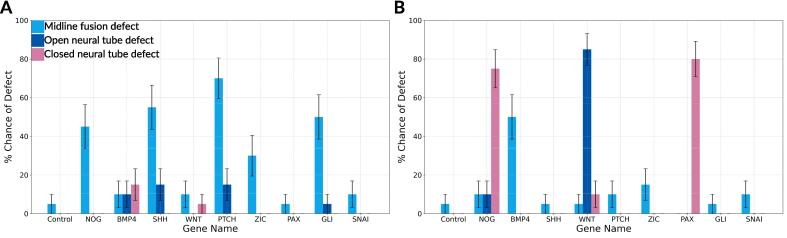 Figure 7
Peer Reviews
No public reviews on file for this paper yet. If you reviewed it on a platform where reviews are public (OpenReview, ICLR, NeurIPS, ICML), you can paste yours below so the community can read it here.
Videos
No videos yet. Explain this paper in a talk, walkthrough, or lecture? Add one.
Taxonomy
TopicsDevelopmental Biology and Gene Regulation · Neurogenesis and neuroplasticity mechanisms