The Impact of Bridging Additives on Wellbore Strengthening in Shallow Unconsolidated Formations
Alexis Koulidis, Tessel M. Grubben, Martin L. van der Schans, Martin Bloemendal, Philip J. Vardon

TL;DR
This paper studies how additives in drilling fluids can strengthen wellbores in shallow, unconsolidated formations to prevent collapse during drilling.
Contribution
The study introduces a new experimental setup to evaluate wellbore strengthening using additives like calcium carbonate and aluminum chloride.
Findings
Calcium carbonate with particle size <20 μm provides effective pore throat bridging and filter cake formation in about 2 minutes.
Drilling fluids with 2% [Al(H2O)6]Cl3 form thick but permeable filter cakes, leading to high filtration losses.
CaCO3-based fluids significantly reduce cone penetration depth and increase deceleration time, indicating improved wellbore strengthening.
Abstract
Drilling wells in unconsolidated formations is commonly undertaken to extract drinking water and other applications, such as aquifer thermal energy storage (ATES). To increase the efficiency of an ATES system, the drilling campaigns are targeting greater depths and enlarging the wellbore diameter in the production section to enhance the flow rates. In these cases, wells are more susceptible to collapse. Drilling fluids for shallow formations often have little strengthening properties and, due to single‐string well design, come into contact with both the aquifer and the overburden. Drilling fluids and additives are experimentally investigated to be used to improve wellbore stability in conditions simulating field conditions in unconsolidated aquifers with a hydraulic conductivity of around 10 m/d. The impact on wellbore stability is evaluated using a new experimental setup in which the…
Genes, proteins, chemicals, diseases, species, mutations and cell lines named across the full text — each resolved to its canonical identifier and authoritative record.
Click any figure to enlarge with its caption.
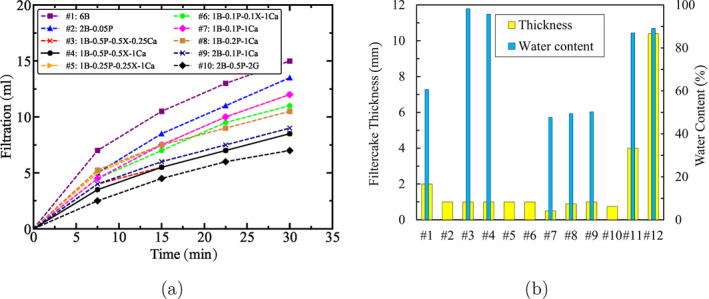 Figure 1
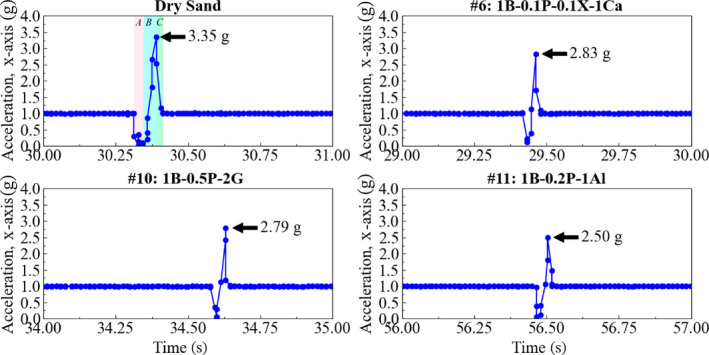 Figure 2
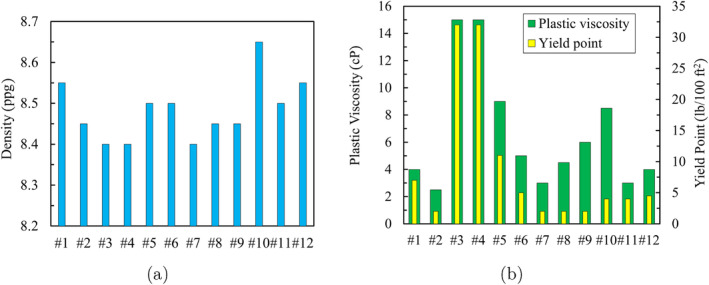 Figure 3
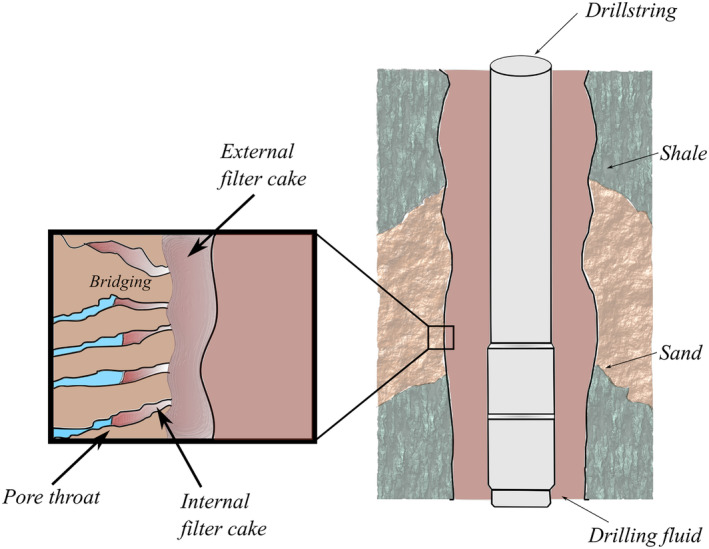 Figure 4
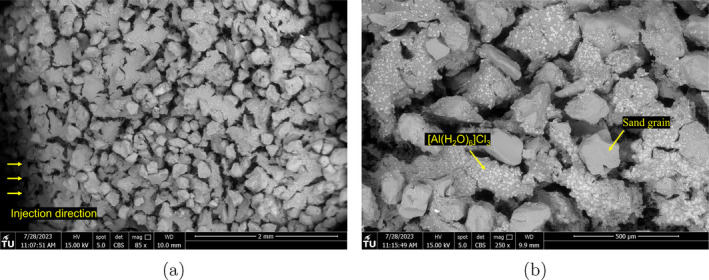 Figure 5
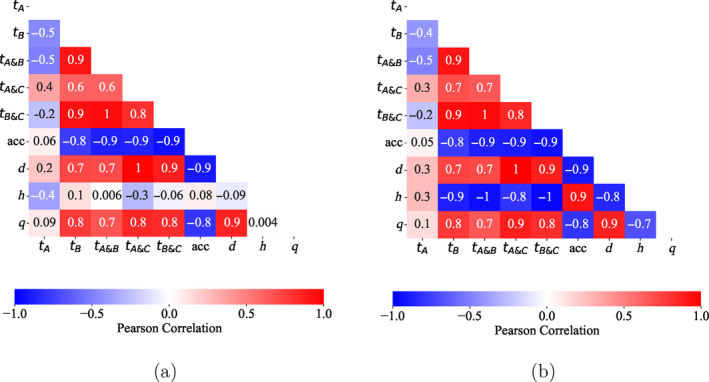 Figure 6
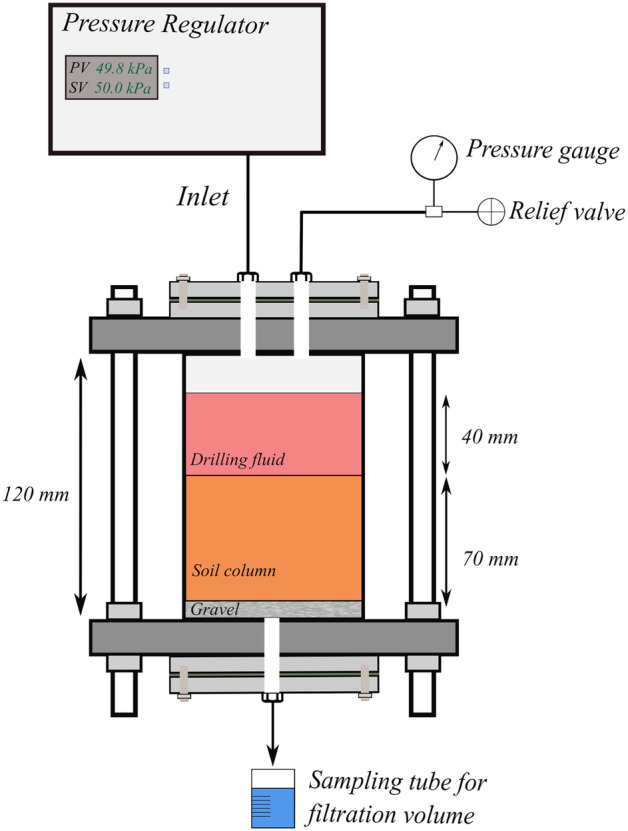 Figure 7
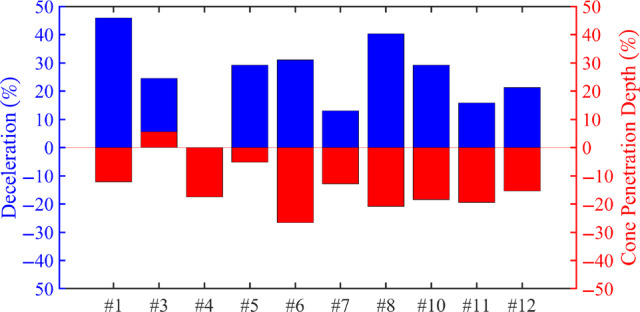 Figure 8
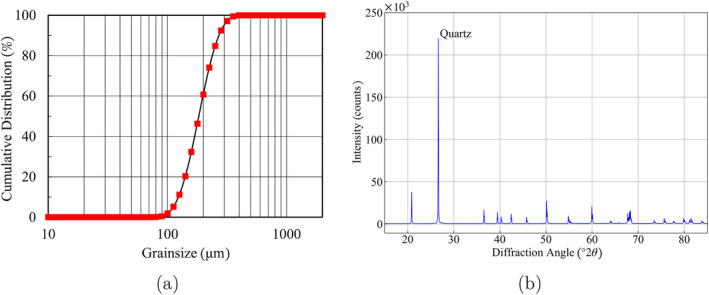 Figure 9
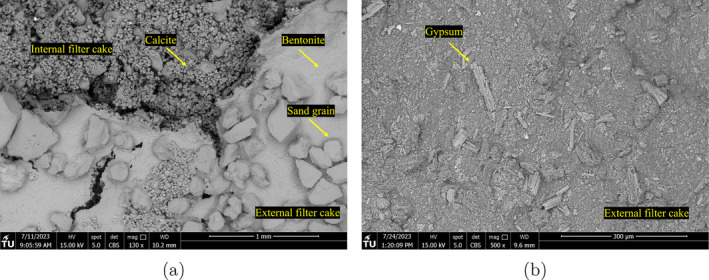 Figure 10
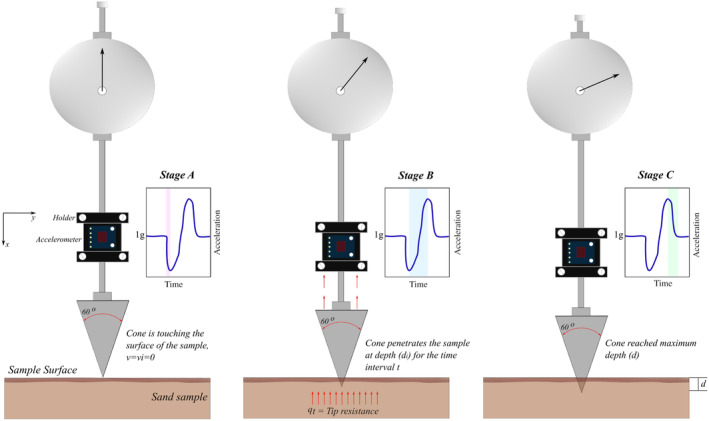 Figure 11
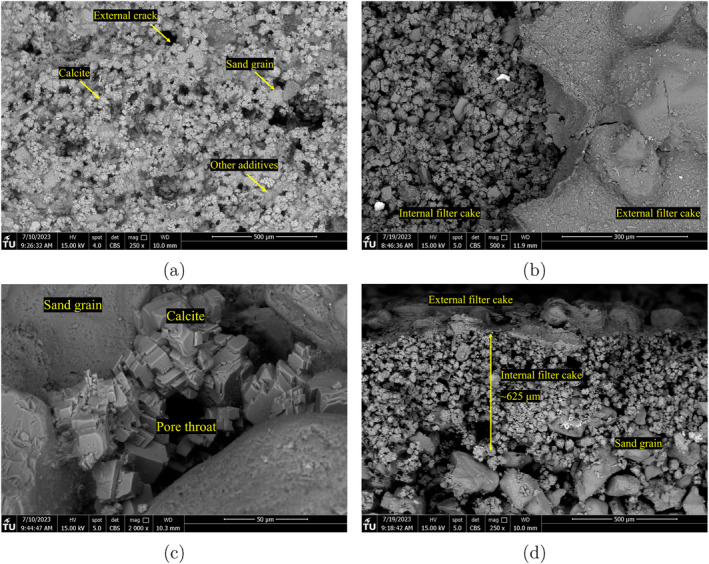 Figure 12
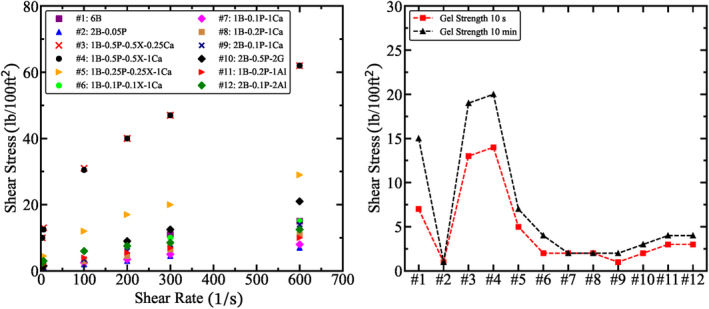 Figure 13
 Figure 14
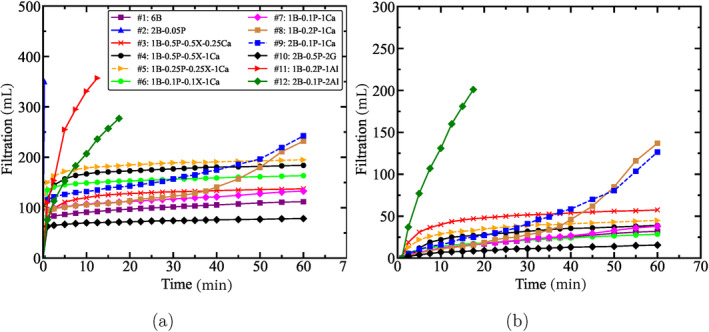 Figure 15
 Figure 16
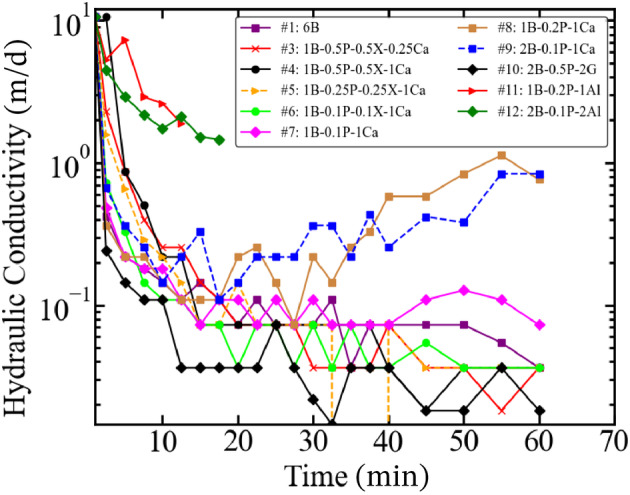 Figure 17
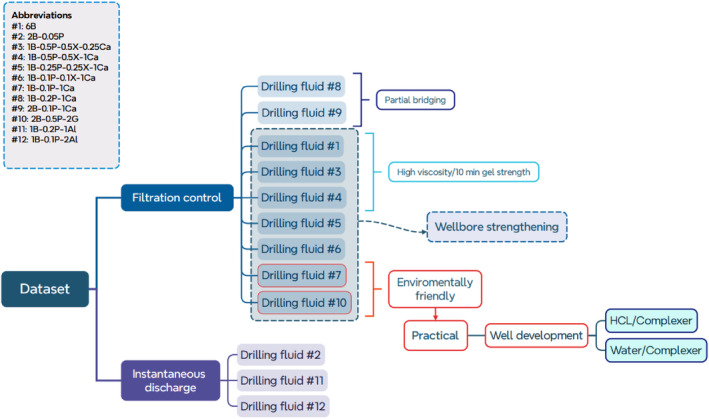 Figure 18
Peer Reviews
No public reviews on file for this paper yet. If you reviewed it on a platform where reviews are public (OpenReview, ICLR, NeurIPS, ICML), you can paste yours below so the community can read it here.
Videos
No videos yet. Explain this paper in a talk, walkthrough, or lecture? Add one.
Taxonomy
TopicsHydraulic Fracturing and Reservoir Analysis · Drilling and Well Engineering · Groundwater flow and contamination studies