The CRIP effect: How a pattern in central vision interferes with perception of a pattern in the periphery
Carolina Maria Oletto, Giulio Contemori, Esma Dilara Yavuz, Luca Battaglini, Michael Herzog, Marco Bertamini

TL;DR
A new visual phenomenon shows that patterns in central vision can interfere with the perception of similar patterns in the periphery.
Contribution
The paper introduces the CRIP effect, where central visual patterns impair peripheral perception when they share orientation.
Findings
Central region patterns impair peripheral pattern discrimination when they share orientation.
Smaller gaps between central and peripheral regions increase the interference effect.
Performance worsens when central and peripheral lines have the same orientation.
Abstract
Our percept of the world is the result of interactions between central and peripheral vision. They can be facilitatory, because central vision is informative about what is in the periphery, or detrimental, such as when shape elements are pooled. We introduce a novel phenomenon, in which elements in the central region impair perception in the periphery (central region interference with periphery [CRIP]). We showed participants a squared grid containing small lines (vertical or diagonal) or crosses in the central region and diagonal lines in the periphery. The regions were divided by a gap that varied in size and position. Participants reported the orientation of the diagonal lines in the periphery (/ or \). The central pattern caused interference and hindered discrimination. For a fixed eccentricity of the peripheral elements, the smaller the gap the larger the impairment. The effect was…
Genes, proteins, chemicals, diseases, species, mutations and cell lines named across the full text — each resolved to its canonical identifier and authoritative record.
Click any figure to enlarge with its caption.
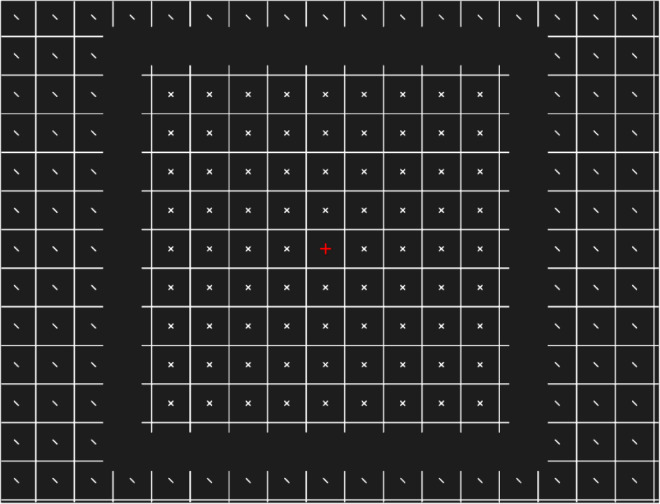 Figure 1
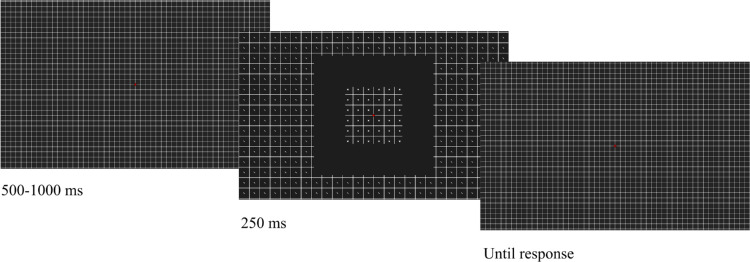 Figure 2
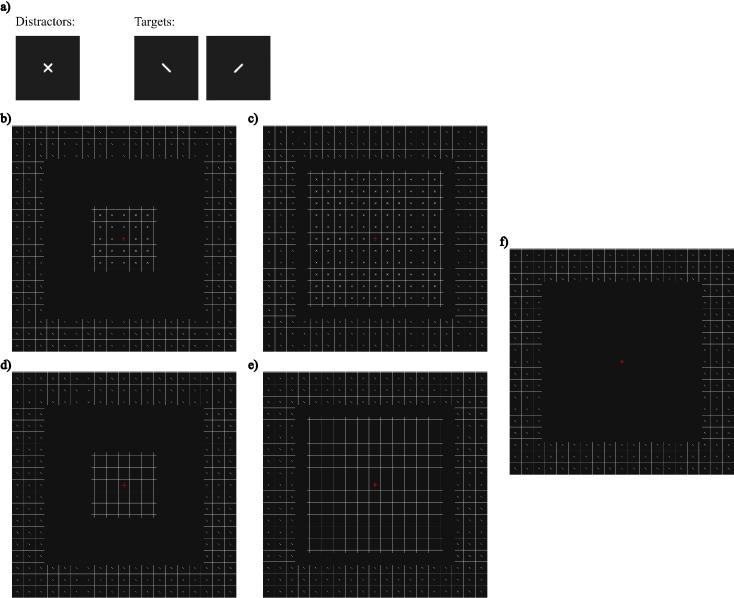 Figure 3
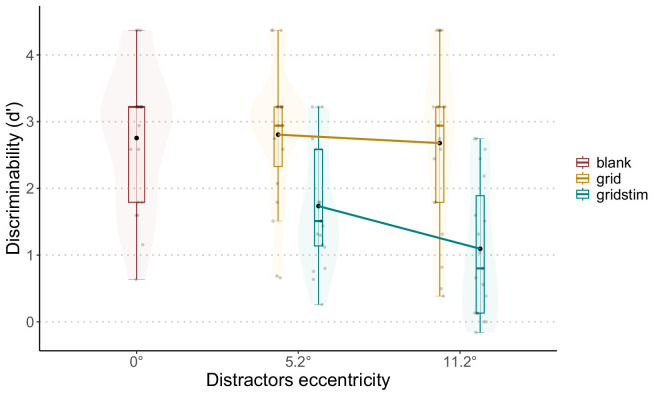 Figure 4
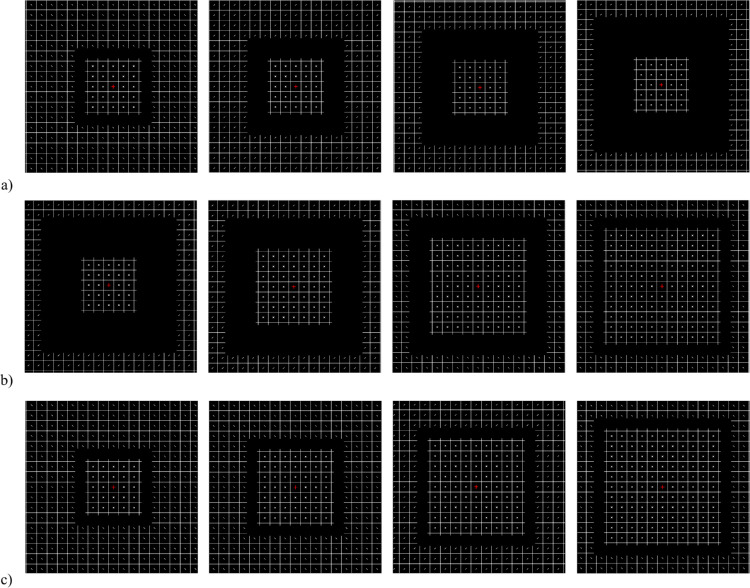 Figure 5
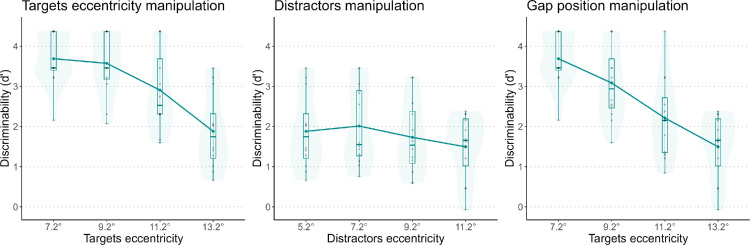 Figure 6
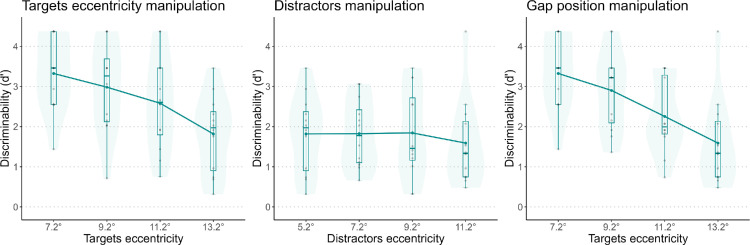 Figure 7
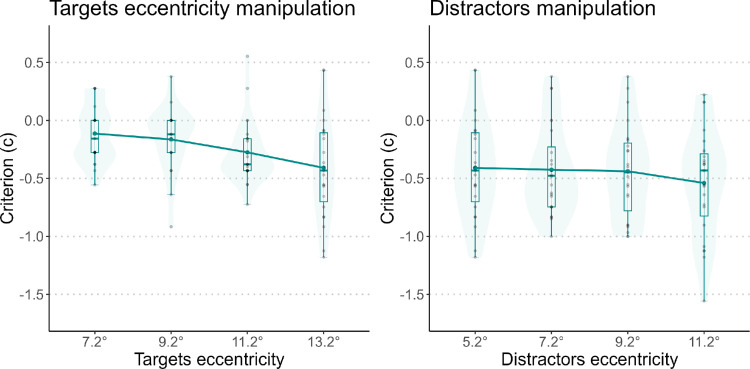 Figure 8
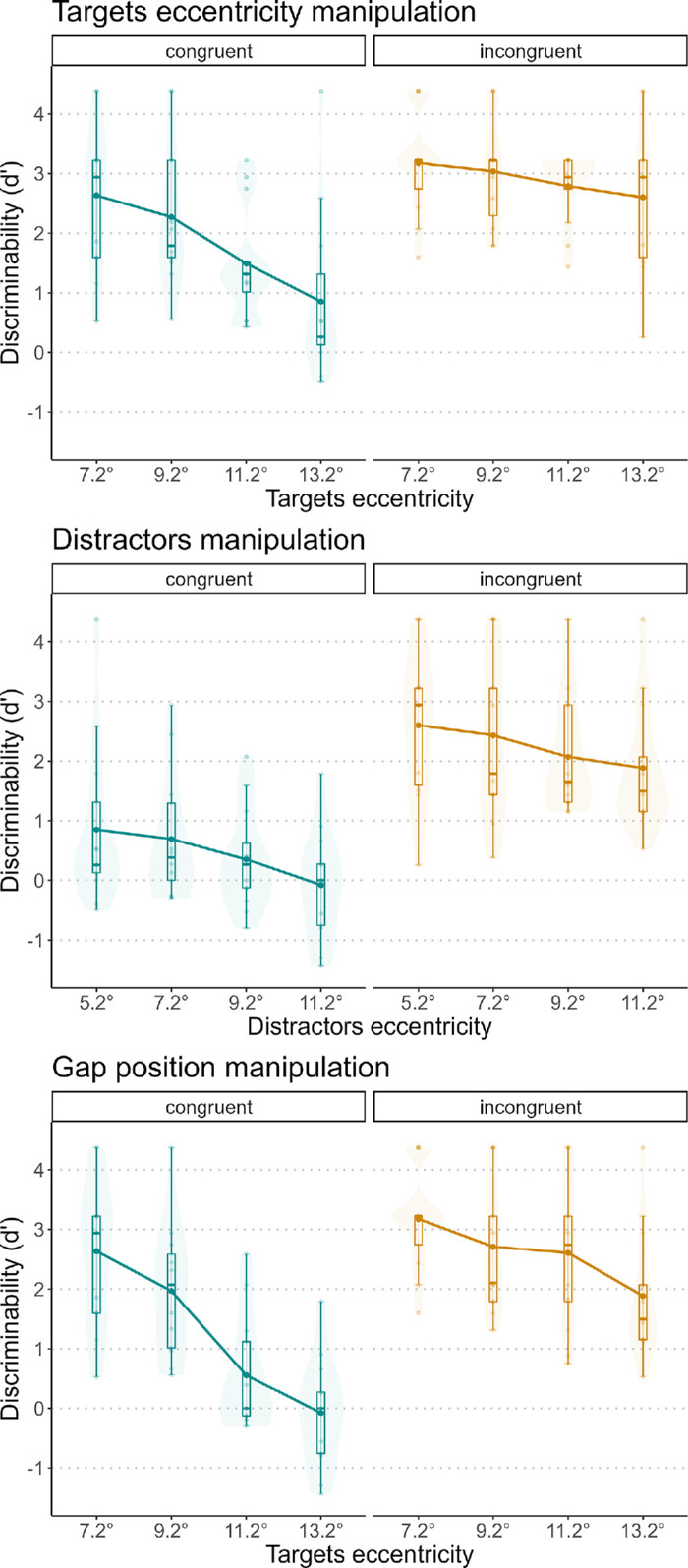 Figure 9
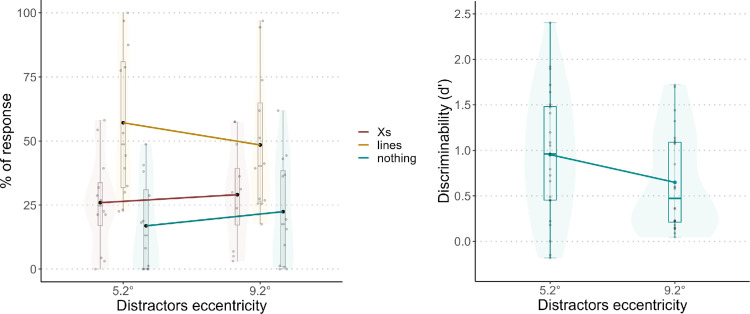 Figure 10
Peer Reviews
No public reviews on file for this paper yet. If you reviewed it on a platform where reviews are public (OpenReview, ICLR, NeurIPS, ICML), you can paste yours below so the community can read it here.
Videos
No videos yet. Explain this paper in a talk, walkthrough, or lecture? Add one.
Taxonomy
TopicsVisual perception and processing mechanisms · Neural dynamics and brain function · Neural and Behavioral Psychology Studies