Neuropeptides from a praying mantis: what the loss of pyrokinins and tryptopyrokinins suggests about the endocrine functions of these peptides
Jan A. Veenstra

TL;DR
This study explores the neuropeptides in praying mantises and finds that they lack certain receptors and genes, suggesting a unique adaptation in their endocrine functions.
Contribution
The study reveals multiple independent losses of pyrokinin receptors in mantises, offering new insights into the endocrine roles of these peptides.
Findings
Praying mantises lack receptors for pyrokinins and tryptopyrokinins, unlike their close relatives, the cockroaches.
Tryptopyrokinin expression in mantises is localized in the thorax, not the suboesophageal ganglion as in other insects.
The loss of pyrokinin receptors suggests these peptides may not be essential for mantises, possibly due to their predatory lifestyle.
Abstract
Neuropeptides play important roles in insects, but in many cases their functions remain obscure. Comparative neuropeptidome analyses may provide clues to what these functions might be. Praying mantises are predators and close relatives of cockroaches that are scavengers. Cockroach neuropeptidomes are well established, but little is known about mantis neuropeptides. The recently published genome assembly of the praying mantis Tenodera sinensis makes it Possible to change that. The genome assembly from T. sinensis was analyzed for the presence of genes coding neuropeptides. For comparison, publicly available short read archives from this and other mantis species were also examined for the presence and expression of neuropeptides. As a rule, the neuropeptidomes of the Mantodea and Blattodea are almost identical; praying mantises and cockroaches use very similar neuropeptides. However,…
Genes, proteins, chemicals, diseases, species, mutations and cell lines named across the full text — each resolved to its canonical identifier and authoritative record.
Click any figure to enlarge with its caption.
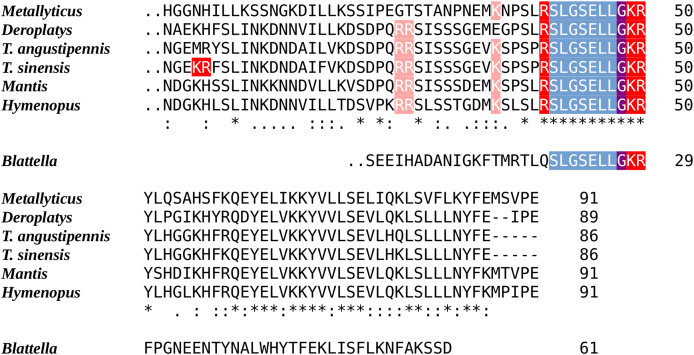 Figure 1
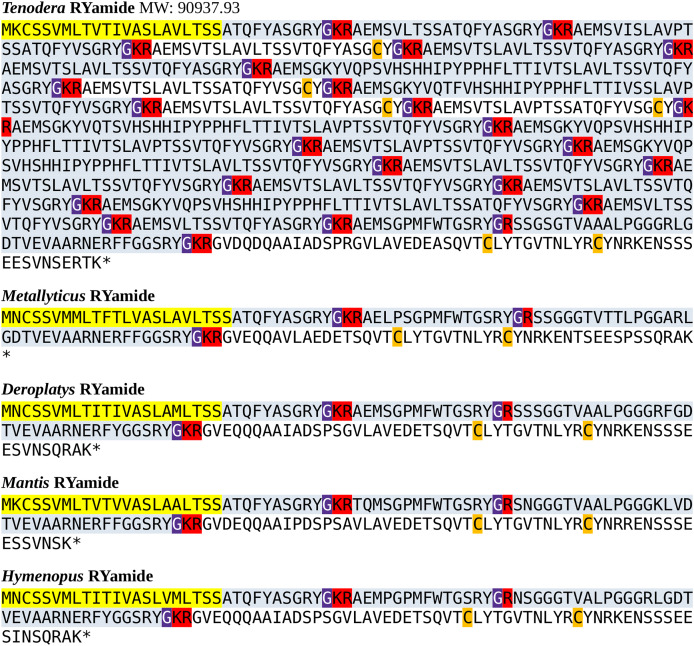 Figure 2
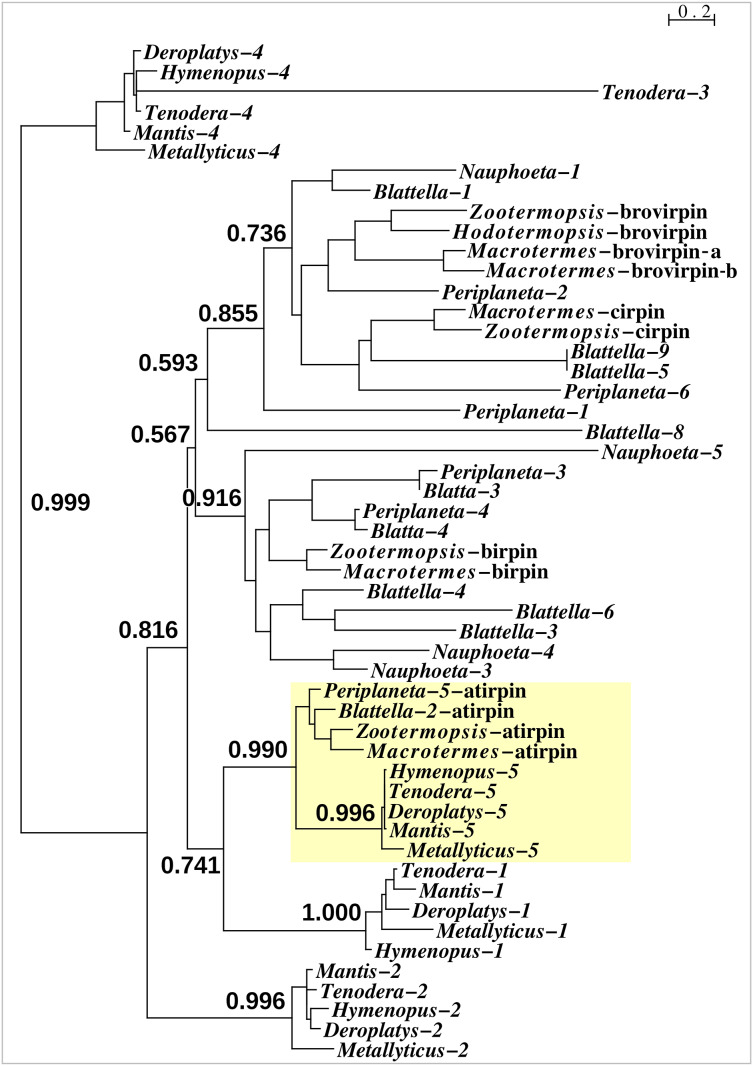 Figure 3
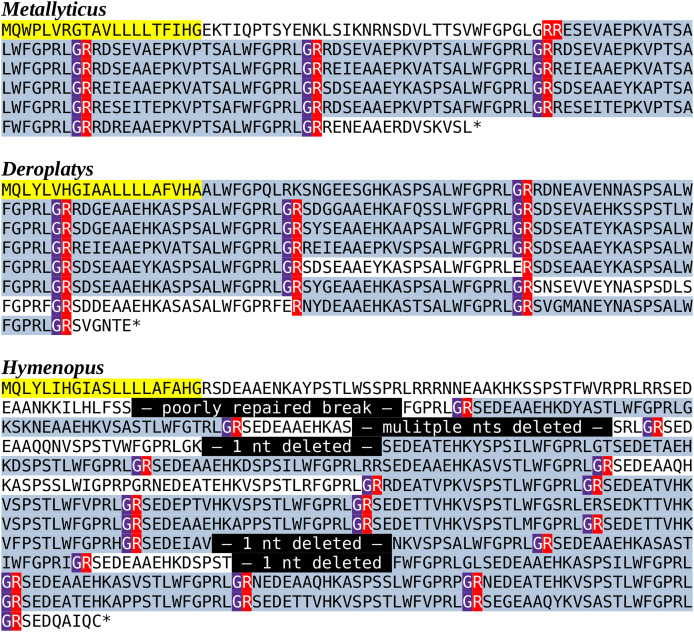 Figure 4
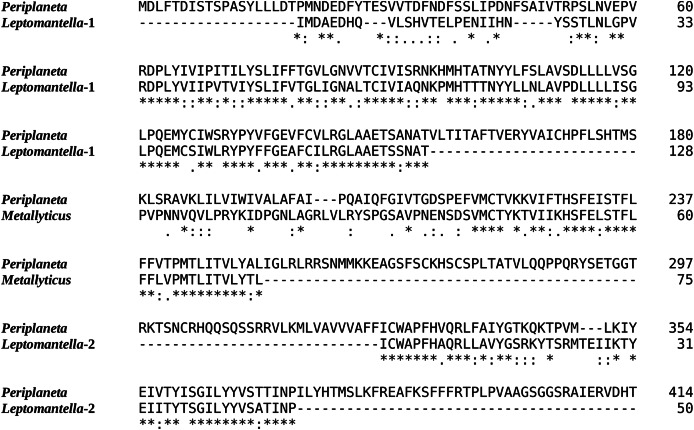 Figure 5
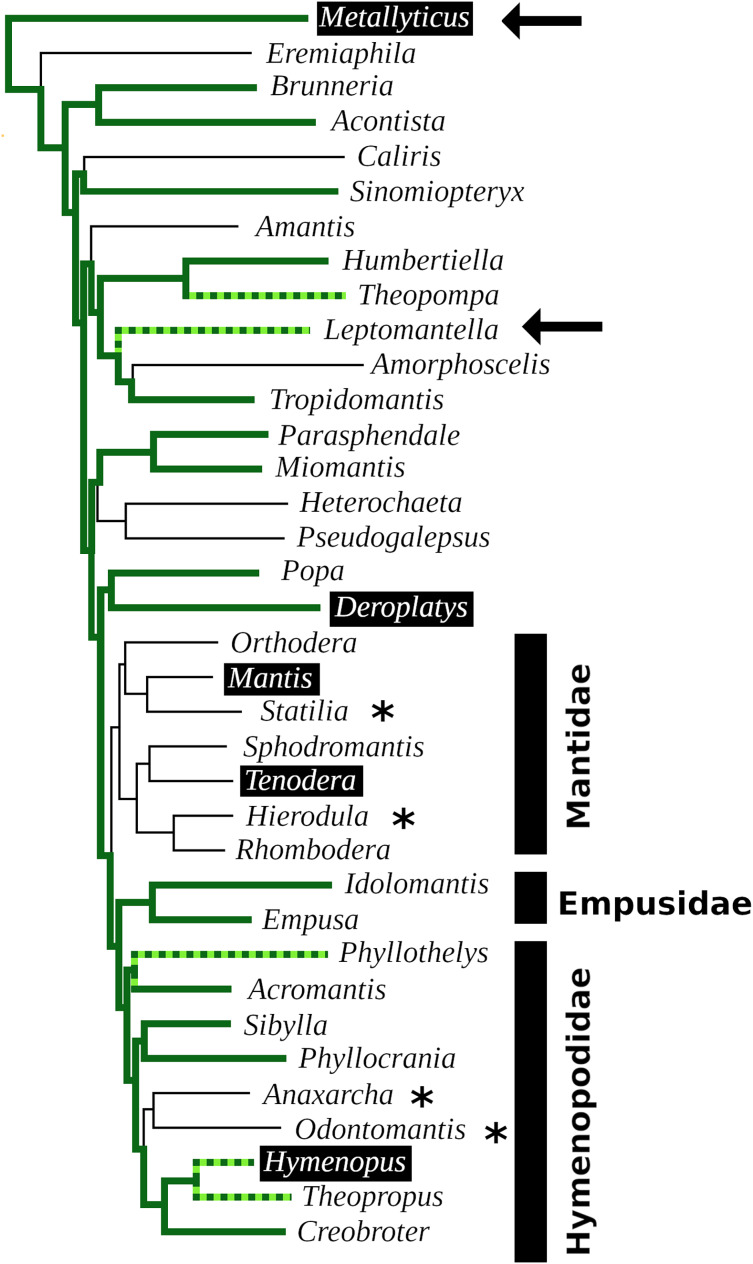 Figure 6
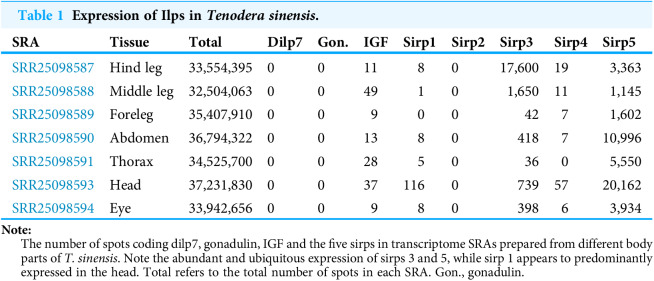 Figure 7
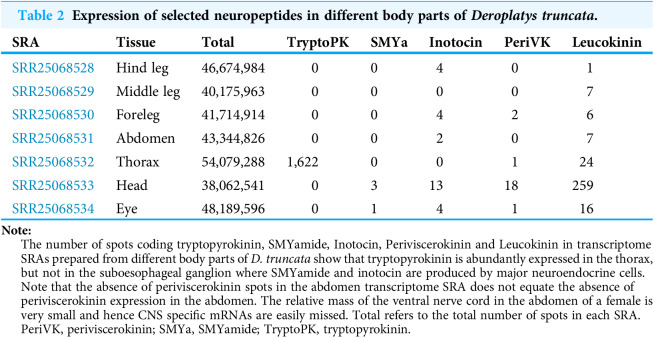 Figure 8
Peer Reviews
No public reviews on file for this paper yet. If you reviewed it on a platform where reviews are public (OpenReview, ICLR, NeurIPS, ICML), you can paste yours below so the community can read it here.
Videos
No videos yet. Explain this paper in a talk, walkthrough, or lecture? Add one.
Taxonomy
TopicsNeurobiology and Insect Physiology Research · Insect and Arachnid Ecology and Behavior · Fossil Insects in Amber