Diagnostic Approach to Adult Erythroderma: A Rare Case of Sezary Syndrome
Quri Meihaerani Savitri, Fitria Rettobyan, Linda Astari, Amira Suryani Rahmatika, Muhammad Noor Diansyah, Putu Niken Ayu Amrita, Pradana Zaky Romadhon, Sipirianus Ugroseno Yudho Bintoro, Ami Ashariati, Merlyna Savitri

TL;DR
A rare case of Sezary Syndrome, a type of skin lymphoma, is presented with its diagnostic challenges and poor prognosis.
Contribution
This case highlights the importance of a comprehensive diagnostic approach for Sezary Syndrome due to its atypical and rare presentation.
Findings
The patient exhibited atypical dermatologic symptoms requiring differentiation from other erythroderma causes.
Sezary Syndrome was confirmed through peripheral blood smear, imaging, and immunophenotyping.
The patient's aggressive disease led to deterioration despite treatment, emphasizing its poor prognosis.
Abstract
Sezary Syndrome is an uncommon leukemic variant of Cutaneous T-cell Lymphoma (CTCL), comprising only 5% of all CTCL cases. The rarity of this syndrome emphasizes the critical need to comprehend its distinct clinical presentation, diagnosis, and treatment. A 51-year-old man was admitted with itchy, persistent, and extensive erythematous patches, ulcers, lumps, lymphadenopathy, alopecia, and nail dystrophy that had been present for eight months. Laboratory findings showed elevated LDH and 𝛽2-microglobulin. Peripheral blood smear analysis confirmed the presence of Sezary cells, while imaging revealed multiple lymph node enlargements. Skin biopsy and immunohistochemistry suggested cutaneous T-cell lymphoma (CTCL), while immunophenotyping verified a diagnosis of Sezary syndrome . The patient underwent fluid therapy, systemic antibiotics, topical antibiotics, phototherapy, and chemotherapy.…
Genes, proteins, chemicals, diseases, species, mutations and cell lines named across the full text — each resolved to its canonical identifier and authoritative record.
Click any figure to enlarge with its caption.
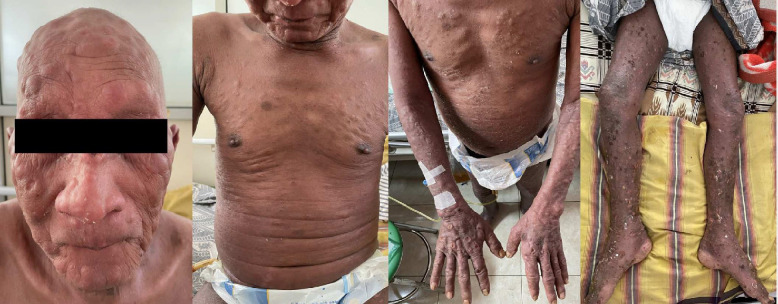 Figure 1
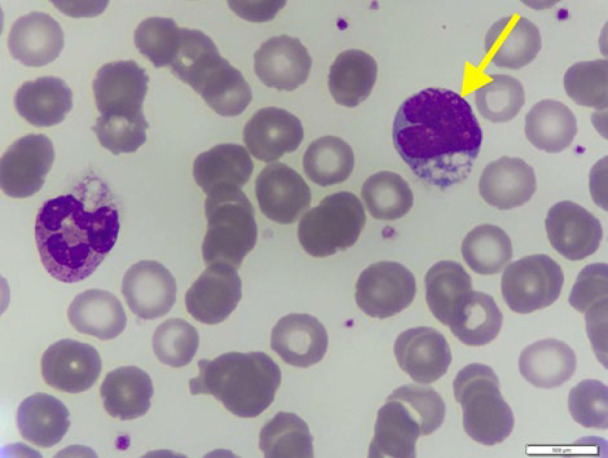 Figure 2
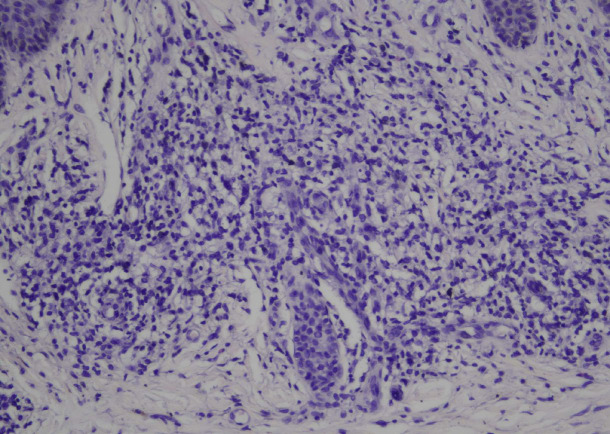 Figure 3
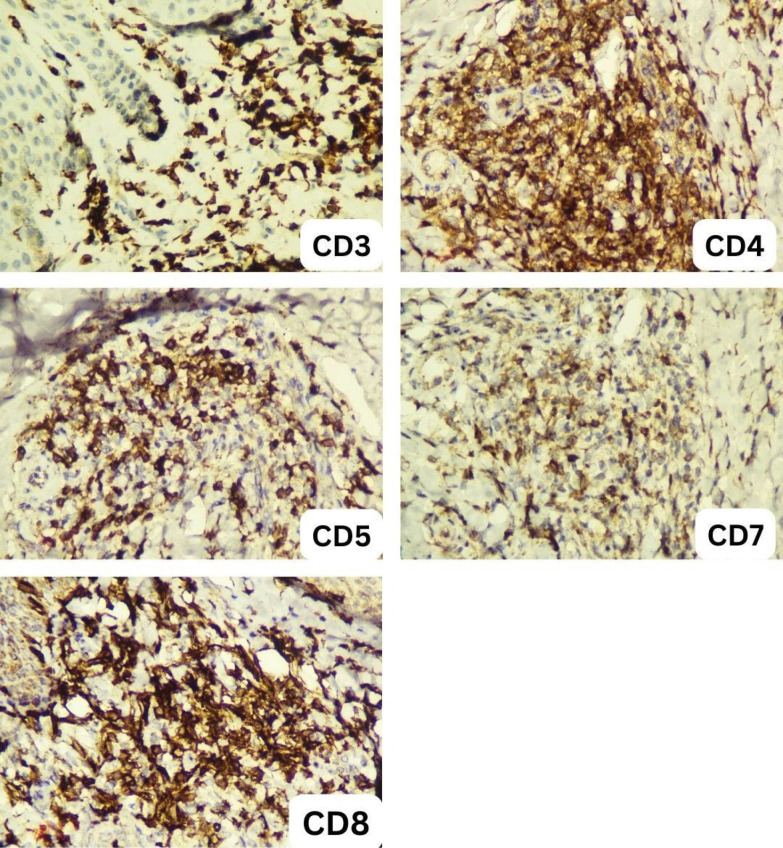 Figure 4
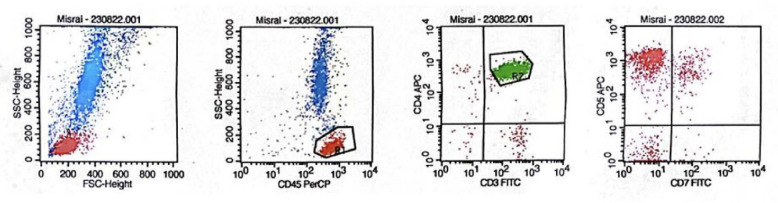 Figure 5
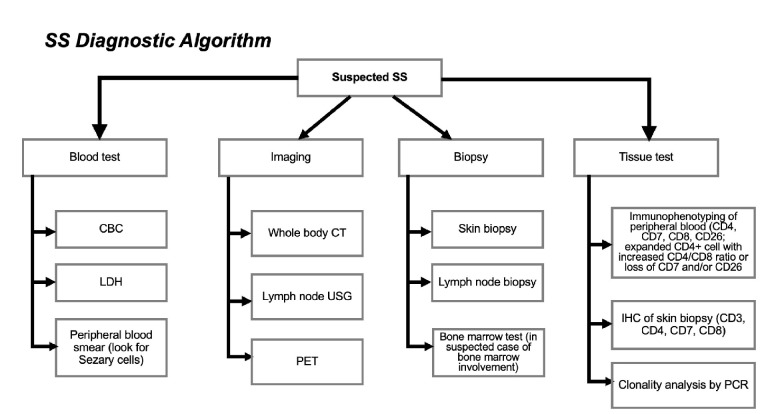 Figure 6
Peer Reviews
No public reviews on file for this paper yet. If you reviewed it on a platform where reviews are public (OpenReview, ICLR, NeurIPS, ICML), you can paste yours below so the community can read it here.
Videos
No videos yet. Explain this paper in a talk, walkthrough, or lecture? Add one.
Taxonomy
TopicsCutaneous lymphoproliferative disorders research · Autoimmune Bullous Skin Diseases · Mast cells and histamine