International Academy of Cytology Yokohama System for Reporting Breast Cytology and the ACR Breast Imaging Reporting and Data System (BIRADS): Are they Concordant?
Alka Yadav, Aparna Singh, Sonali Madaan, Mukta Pujani, Sujata Raychaudhuri, Charu Agarwal, Varsha Chauhan, Dipti Sidam, Jyoti Rajpoot, Garima Dhull, Cherry Bansal

TL;DR
This study compares two systems for reporting breast cancer risk and finds they strongly agree, helping doctors better assess and manage breast lumps.
Contribution
The study demonstrates a strong correlation between the IAC Yokohama and BIRADS systems for breast cancer risk assessment.
Findings
The IAC Yokohama and BIRADS systems showed a strong correlation (Pearson’s coefficient 1.957, P < 0.001).
FNAC with category III had high sensitivity (98.9%) and NPV (99.3%) for malignancy detection.
Histopathology confirmed malignancy rates of 100% for IAC categories IV and V.
Abstract
Breast cancer is the leading cause of cancer deaths among women worldwide. Fine needle aspiration cytology (FNAC) and breast sonography have played a pivotal role in the characterization of a breast lump. The main objective of this study was to analyze the correlation between the International Academy of Cytology (IAC) Yokohama for Reporting Breast Fine Needle Aspiration Biopsies (FNAB) and breast imaging reporting and data system (BIRADS) for sonography along with histopathological correlation. A total of 135 FNAC specimens were categorized according to the IAC Yokohama system and BIRADS reporting system and their correlation with histopathology wherever possible to calculate the risk of malignancy (ROM). According to IAC Yokohama categorization, the cases in categories I, II, III, IV, and V were 1,78,8,6 and 42, respectively. Akin to cytology, most of the cases were assigned BIRADS…
Genes, proteins, chemicals, diseases, species, mutations and cell lines named across the full text — each resolved to its canonical identifier and authoritative record.
Click any figure to enlarge with its caption.
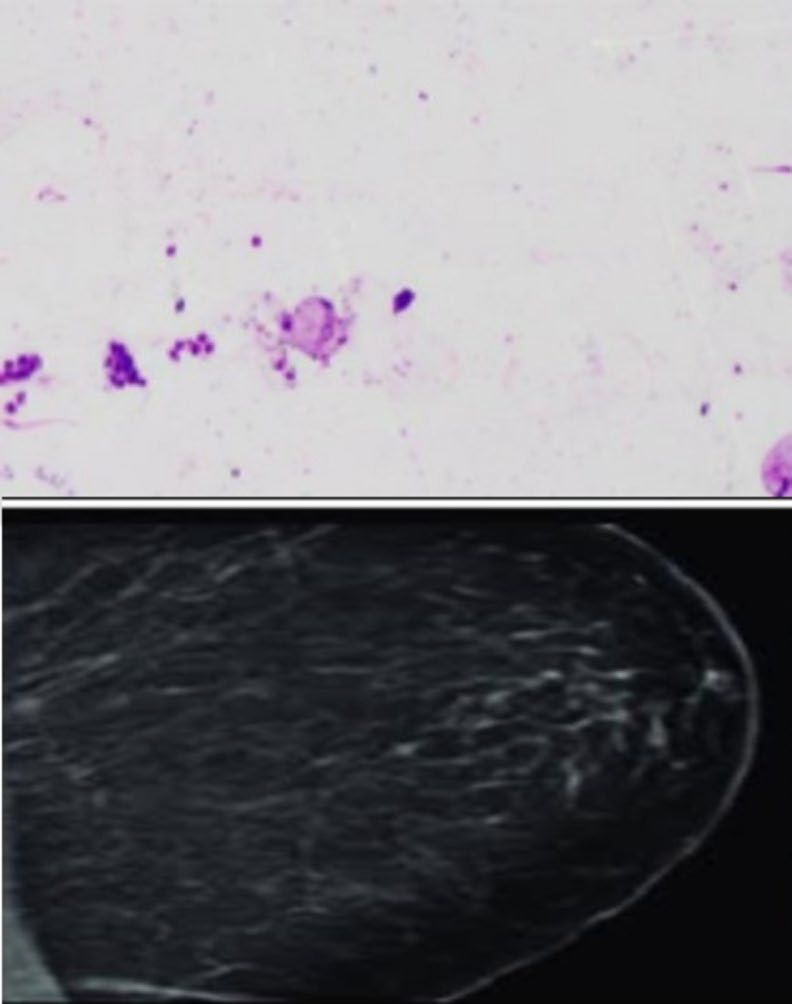 Figure 1
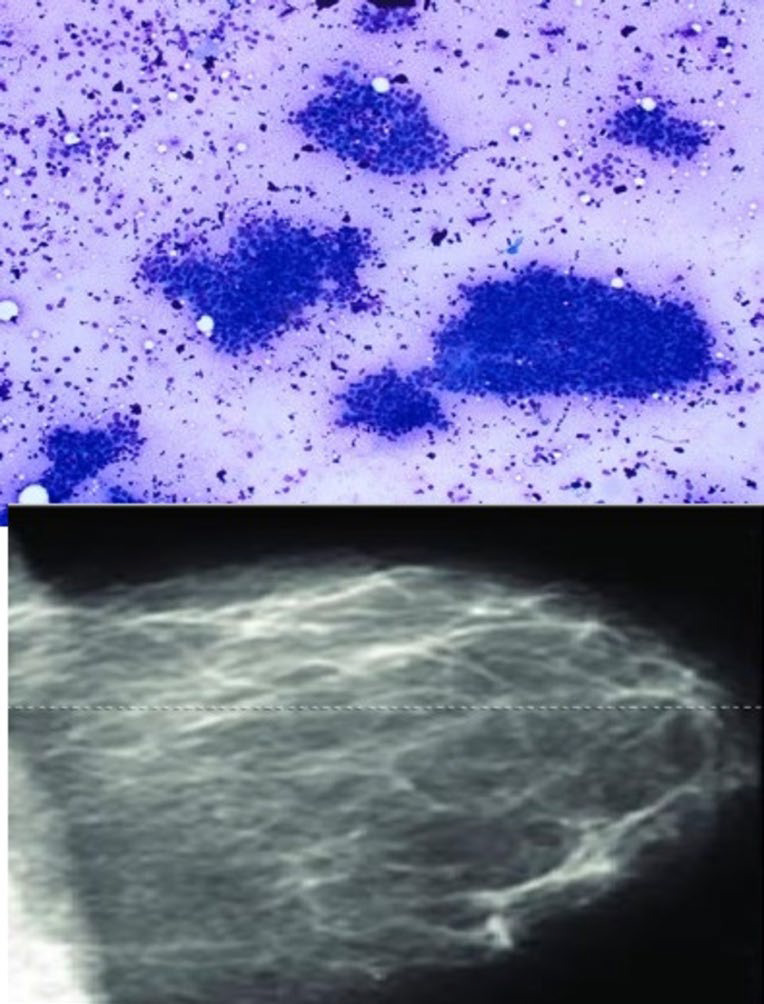 Figure 2
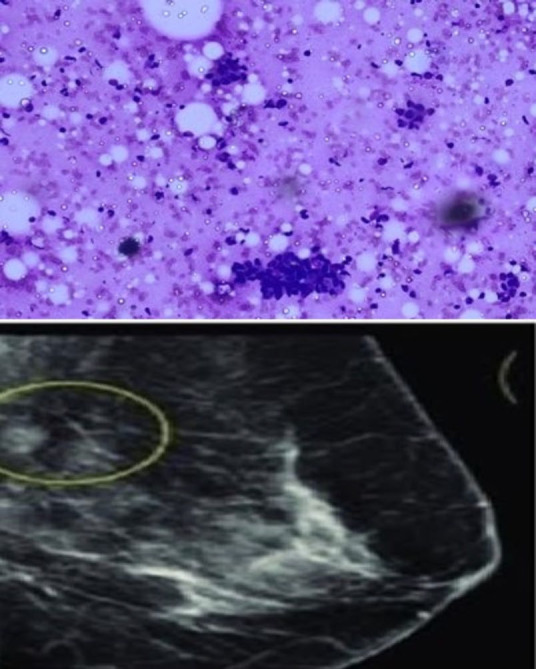 Figure 3
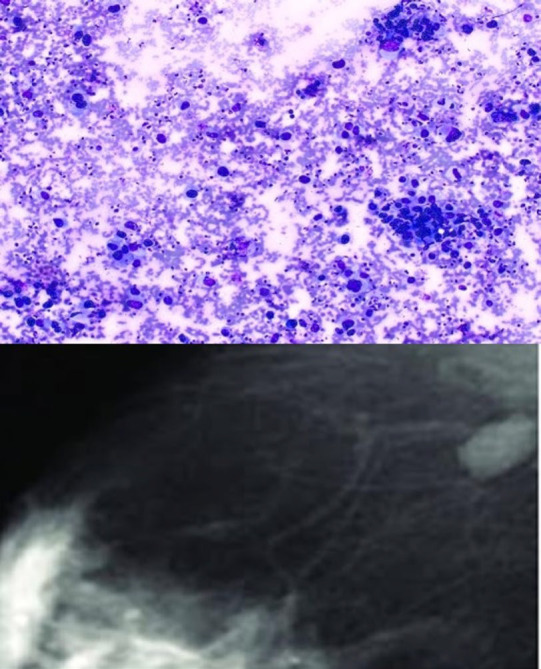 Figure 4
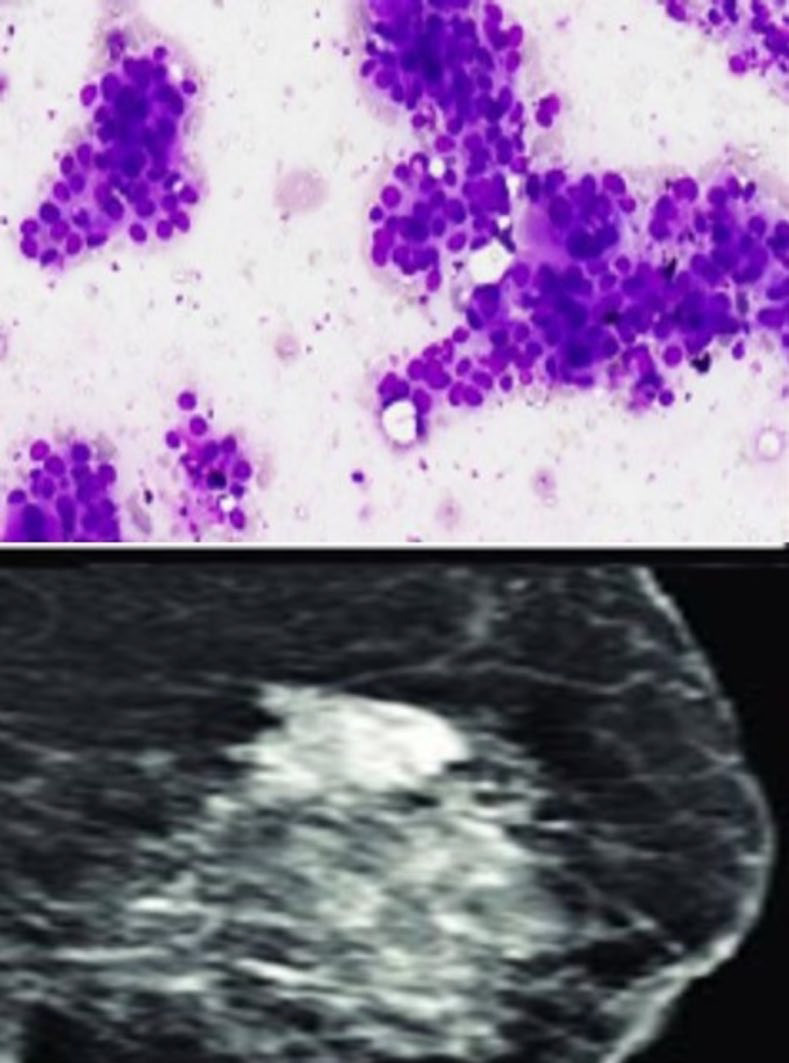 Figure 5
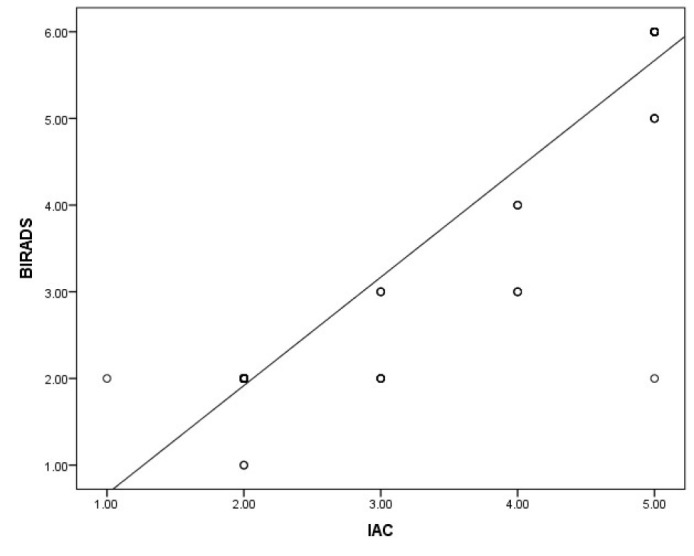 Figure 6
Peer Reviews
No public reviews on file for this paper yet. If you reviewed it on a platform where reviews are public (OpenReview, ICLR, NeurIPS, ICML), you can paste yours below so the community can read it here.
Videos
No videos yet. Explain this paper in a talk, walkthrough, or lecture? Add one.
Taxonomy
TopicsBiomedical Text Mining and Ontologies · Global Cancer Incidence and Screening · Breast Cancer Treatment Studies