Rare Complications of Lumboperitoneal Shunts: Abdominal Cerebrospinal Fluid Pseudocysts in Adults
Tatsuya Tanaka, Tomoyuki Naito, Takahiro Kumono, Eiichi Suehiro, Takashi Agari, Kimihiro Nakahara, Kazuaki Shimoji, Hiroshi Itokawa, Keisuke Onoda, Akira Matsuno

TL;DR
This paper reports a rare case of an abdominal CSF pseudocyst in an adult after a lumboperitoneal shunt, emphasizing the importance of early diagnosis and reoperation.
Contribution
The paper presents a rare complication of lumboperitoneal shunts in adults and highlights diagnostic and treatment strategies.
Findings
Abdominal CSF pseudocysts are rare after lumboperitoneal shunts in adults.
Reoperation with catheter repositioning resolved symptoms in the reported case.
Shuntography and abdominal CT are effective for diagnosing pseudocysts.
Abstract
Abdominal cerebrospinal fluid (CSF) pseudocysts are rare complications of shunt surgery, predominantly reported in pediatric patients undergoing a ventriculoperitoneal (VP) shunt. In contrast, their occurrence following lumboperitoneal (LP) shunt is exceptionally uncommon. We report the case of a 76-year-old woman who presented with recurrent symptoms, including gait disturbance and cognitive decline, approximately three years after undergoing LP shunt placement for idiopathic normal pressure hydrocephalus. Diagnostic imaging, including shuntography and abdominal computed tomography (CT), revealed an abdominal CSF pseudocyst, likely due to peritoneal adhesions from prior abdominal surgery. Reoperation with catheter repositioning successfully relieved her symptoms. This case highlights the necessity of considering abdominal CSF pseudocysts as a differential diagnosis for shunt…
Genes, proteins, chemicals, diseases, species, mutations and cell lines named across the full text — each resolved to its canonical identifier and authoritative record.
Click any figure to enlarge with its caption.
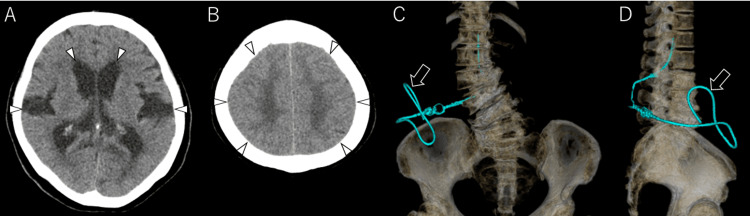 Figure 1
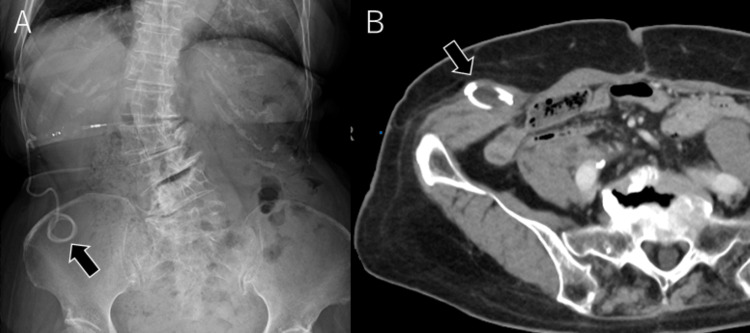 Figure 2
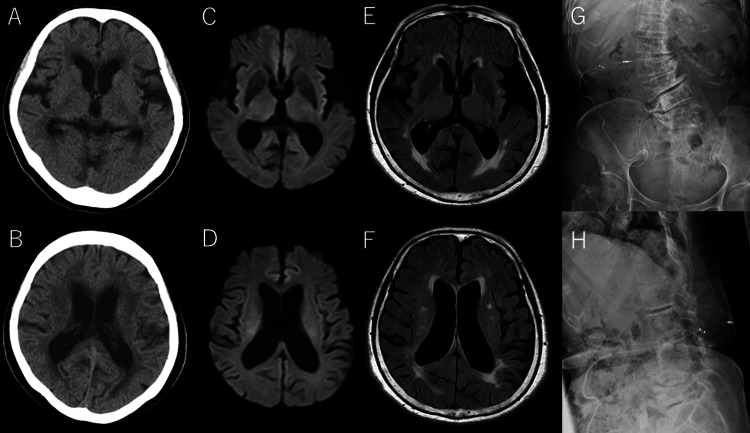 Figure 3
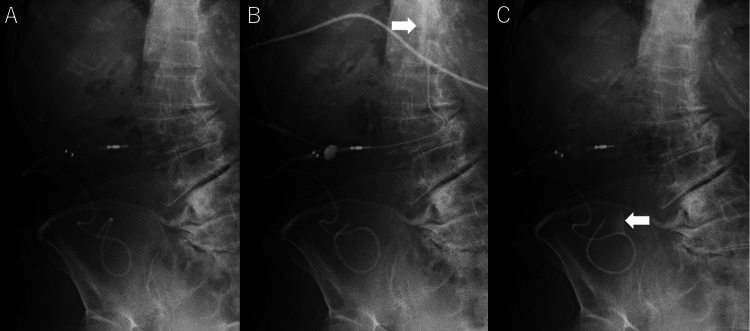 Figure 4
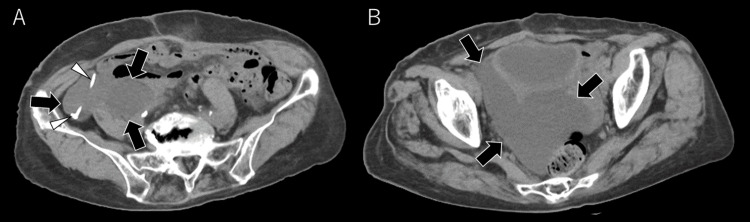 Figure 5
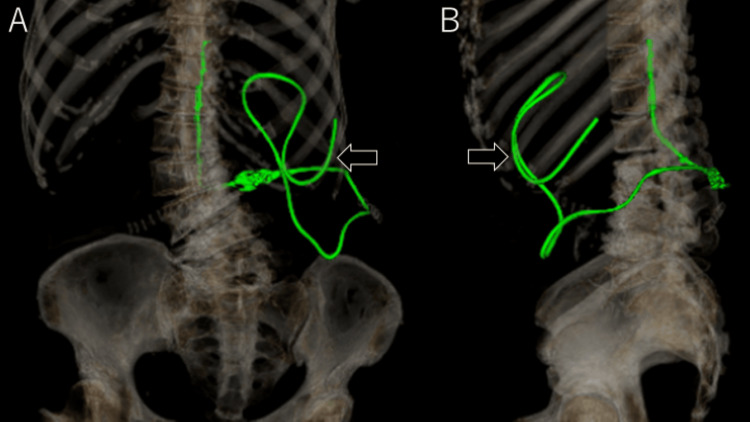 Figure 6
Peer Reviews
No public reviews on file for this paper yet. If you reviewed it on a platform where reviews are public (OpenReview, ICLR, NeurIPS, ICML), you can paste yours below so the community can read it here.
Videos
No videos yet. Explain this paper in a talk, walkthrough, or lecture? Add one.
Taxonomy
TopicsCerebrospinal fluid and hydrocephalus · Spinal Dysraphism and Malformations · Head and Neck Surgical Oncology