Leveraging diverse cell-death patterns in diagnosis of sepsis by integrating bioinformatics and machine learning
Mi Liu, Xingxing Gao, Hongfa Wang, Yiping Zhang, Xiaojun Li, Renlai Zhu, Yunru Sheng

TL;DR
This study uses machine learning and bioinformatics to identify three genes linked to cell death patterns that could help diagnose sepsis more effectively.
Contribution
The novel contribution is the identification of three PCD-related genes as potential biomarkers for sepsis diagnosis using machine learning and single-cell analysis.
Findings
Three PCD-related genes (NLRC4, TXN, S100A9) were identified as potential biomarkers for sepsis diagnosis.
The diagnostic model achieved 100% accuracy in the training set and over 98% in multiple validation sets.
The biomarkers are mainly expressed in myeloid/monocytes and dendritic cells and correlate with immune infiltration.
Abstract
Sepsis is a life-threatening disease causing millions of deaths every year. It has been reported that programmed cell death (PCD) plays a critical role in the development and progression of sepsis, which has the potential to be a diagnosis and prognosis indicator for patient with sepsis. Fourteen PCD patterns were analyzed for model construction. Seven transcriptome datasets and a single cell sequencing dataset were collected from the Gene Expression Omnibus database. A total of 289 PCD-related differentially expressed genes were identified between sepsis patients and healthy individuals. The machine learning algorithm screened three PCD-related genes, NLRC4, TXN and S100A9, as potential biomarkers for sepsis. The area under curve of the diagnostic model reached 100.0% in the training set and 100.0%, 99.9%, 98.9%, 99.5% and 98.6% in five validation sets. Furthermore, we verified the…
Genes, proteins, chemicals, diseases, species, mutations and cell lines named across the full text — each resolved to its canonical identifier and authoritative record.
Click any figure to enlarge with its caption.
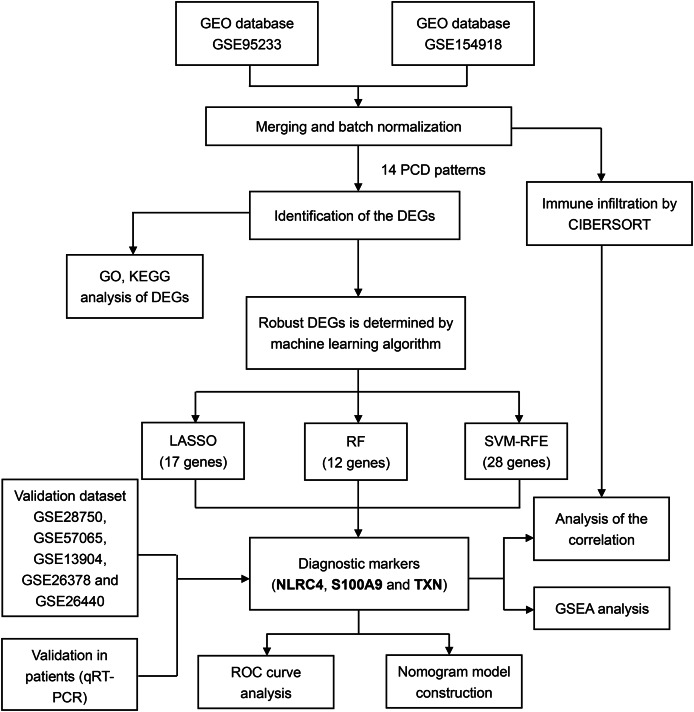 Figure 1
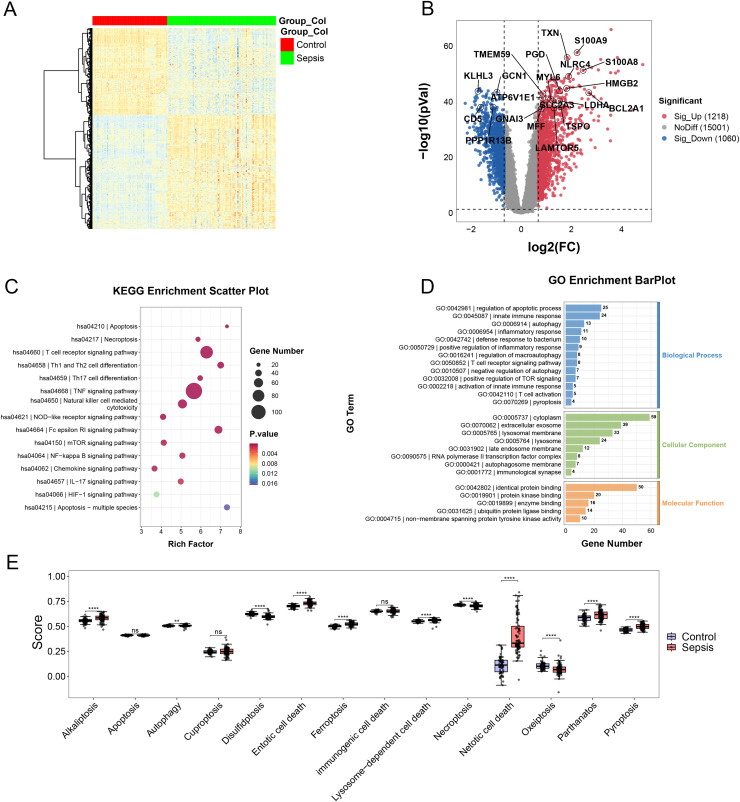 Figure 2
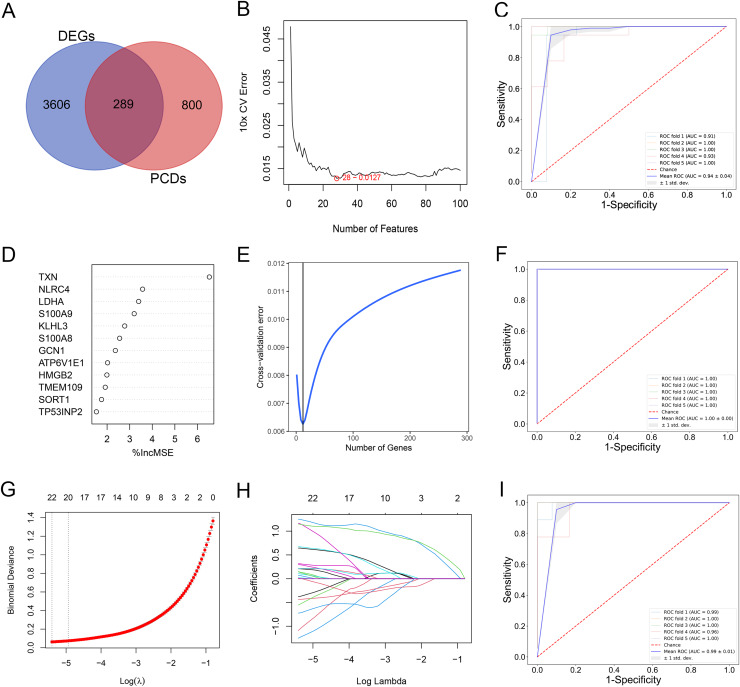 Figure 3
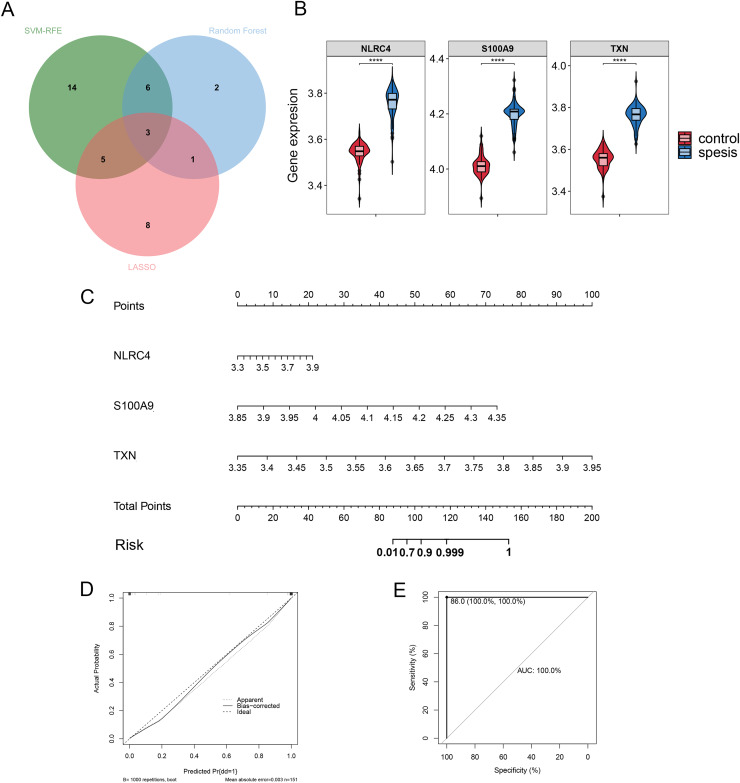 Figure 4
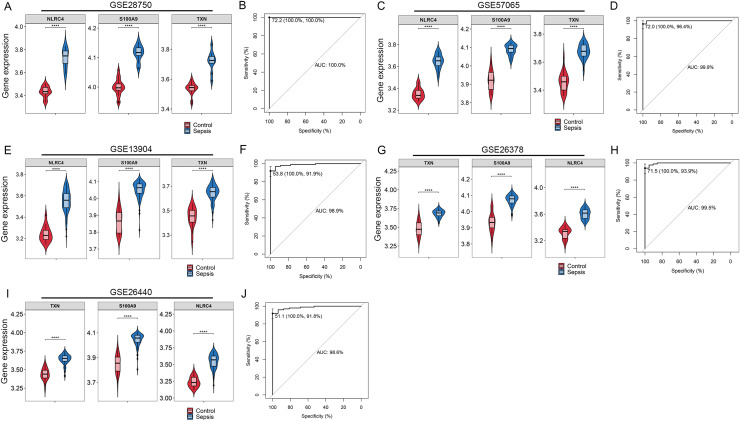 Figure 5
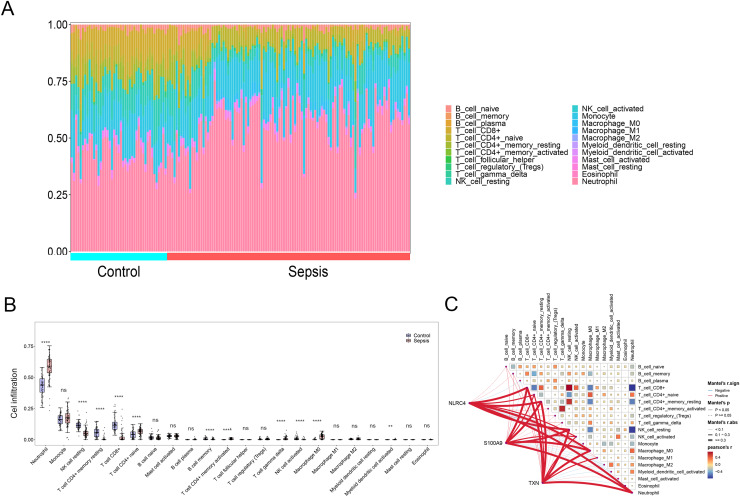 Figure 6
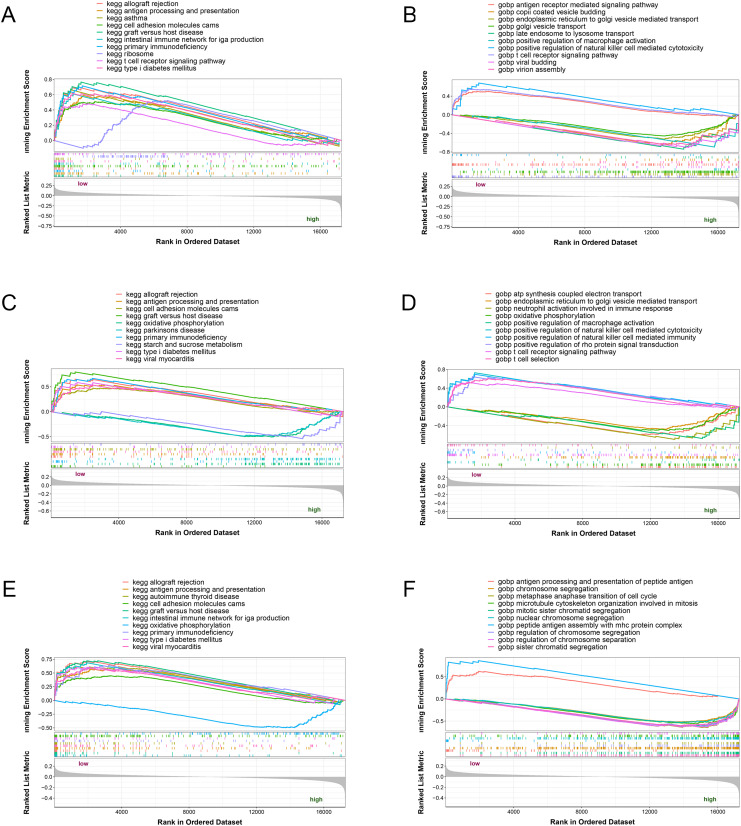 Figure 7
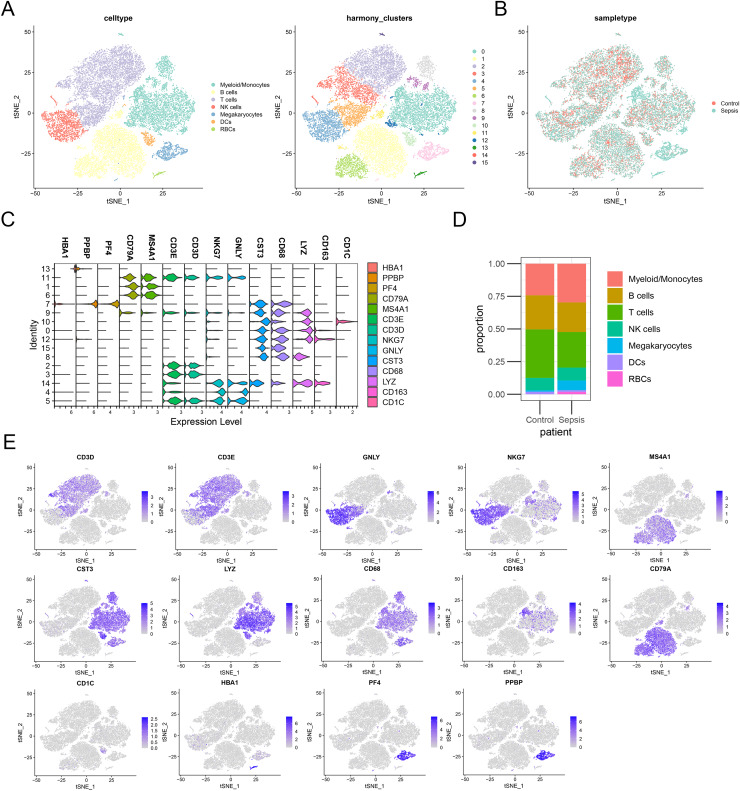 Figure 8
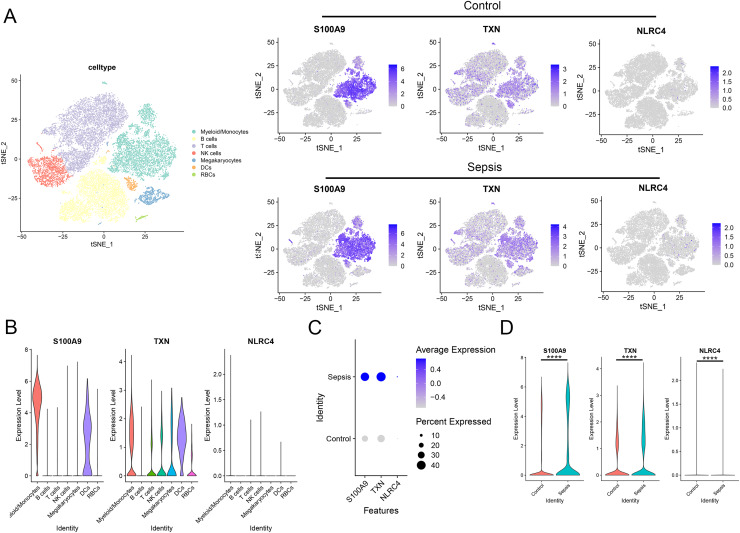 Figure 9
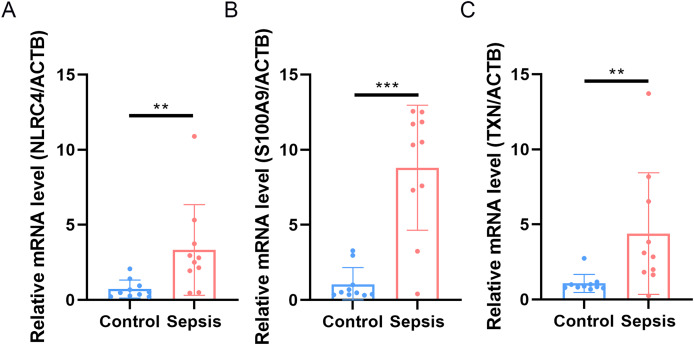 Figure 10
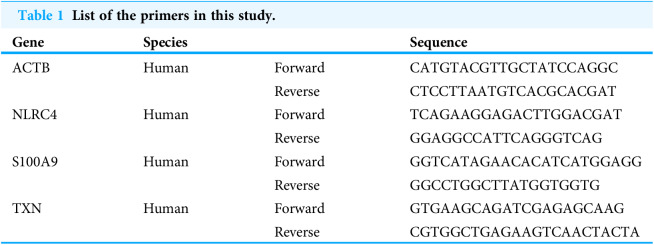 Figure 11
Peer Reviews
No public reviews on file for this paper yet. If you reviewed it on a platform where reviews are public (OpenReview, ICLR, NeurIPS, ICML), you can paste yours below so the community can read it here.
Videos
No videos yet. Explain this paper in a talk, walkthrough, or lecture? Add one.
Taxonomy
TopicsSepsis Diagnosis and Treatment · Inflammation biomarkers and pathways · S100 Proteins and Annexins