The impact of physical activity and intensity on clot mechanical microstructure and contraction in middle-aged/older habitual runners
J. C. Zaldua, O. Watson, D. J. Gregoire, S. Pillai, Y. Hellsten, K. Hawkins, P. A. Evans

TL;DR
This study examines how different exercise intensities affect blood clot structure and contraction in older runners, revealing a temporary hypercoagulable state.
Contribution
The study provides new insights into intensity-dependent changes in clot mechanics and fibrinolysis in middle-aged/older habitual runners.
Findings
Both moderate and high-intensity exercise increased coagulant activity and D-dimer levels, indicating a hypercoagulable state.
High-intensity exercise led to greater clot density (df) compared to moderate-intensity exercise.
Clot contractile force (CFmax) decreased over time, suggesting ongoing fibrinolytic activity post-exercise.
Abstract
Exercise in healthy individuals is associated with a hypercoagulable phase, leading to a temporary increase in clot mass and strength, which are controlled by an effective fibrinolytic system. Conversely, people with cardiovascular diseases often have a reduced fibrinolytic pathway, increased clot mass and abnormal clot contraction, resulting in poorer outcomes. We assessed clot microstructure, particularly the contractile forces of clot formation, in response to two exercise intensities in middle-aged/older runners. Twenty-eight habitual male and female runners aged over 40 years completed a 10 km moderate-intensity run; 14 of them performed a 3 km high-intensity run. Blood samples were collected at baseline, immediately postexercise and after 1 h of rest. Clot structural biomarkers df, gel time, and measurements of mature clot mechanical properties (gel time, G’Max and CFmax) were…
Genes, proteins, chemicals, diseases, species, mutations and cell lines named across the full text — each resolved to its canonical identifier and authoritative record.
Click any figure to enlarge with its caption.
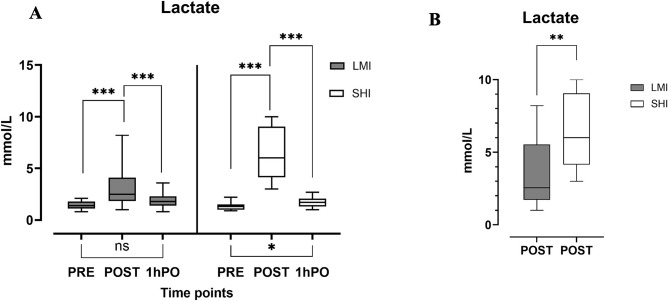 Figure 1
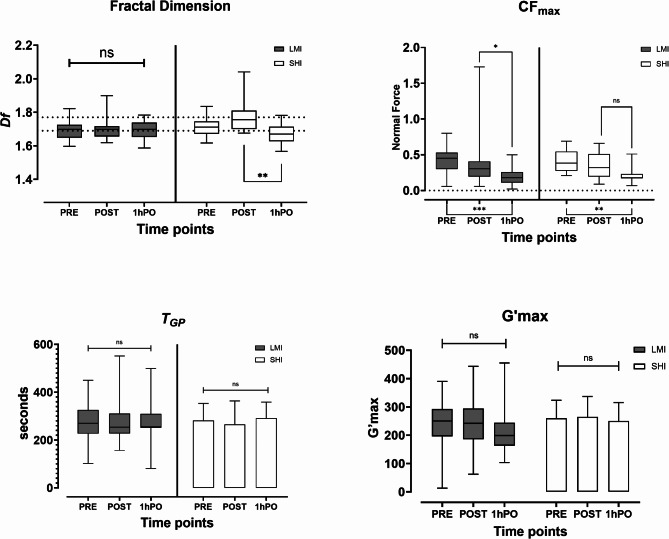 Figure 2
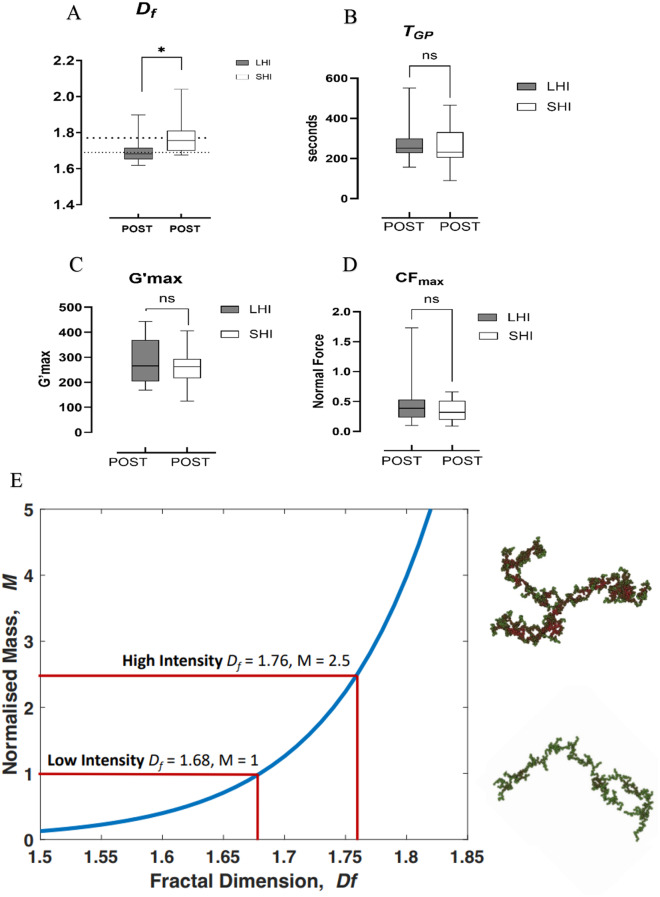 Figure 3
Peer Reviews
No public reviews on file for this paper yet. If you reviewed it on a platform where reviews are public (OpenReview, ICLR, NeurIPS, ICML), you can paste yours below so the community can read it here.
Videos
No videos yet. Explain this paper in a talk, walkthrough, or lecture? Add one.
Taxonomy
TopicsSports Performance and Training · Sports injuries and prevention · Cardiovascular and exercise physiology