IRF1 is a core transcriptional regulatory circuitry member promoting AML progression by regulating lipid metabolism
Fenli Zhang, Zhiheng Li, Fang Fang, Yixin Hu, Zhixu He, Yanfang Tao, Yizhen Li, Zimu Zhang, Bi Zhou, Ying Yang, Yumeng Wu, Yijun Wu, Zhongling Wei, Ailian Guo, Ling Xu, Yongping Zhang, Xiaolu Li, Yan Li, Chunxia Yang, Man Zhou, Jian Pan, Shaoyan Hu, Xiaoyan Yang

TL;DR
This study identifies IRF1 as a key regulator in AML progression by controlling lipid metabolism and forming a core transcriptional circuit with other factors.
Contribution
IRF1 is newly identified as a core transcriptional regulatory circuit member in AML that directly regulates lipid metabolism genes.
Findings
IRF1 forms a core transcriptional regulatory circuit with ELF1, ETV6, RUNX2, and MEF2D in AML.
IRF1 inhibition reduces AML cell proliferation and induces apoptosis.
IRF1 regulates lipid metabolism genes like FASN, SCD, and SREBF1 in AML cells.
Abstract
Acute myeloid leukemia (AML) is a prevalent malignancy of the hematologic system. Despite advancements in therapeutic approaches, significant heterogeneity and therapeutic resistance pose substantial challenges to treatment. Tumors driven by core transcription factors through super-enhancers can establish core transcriptional regulatory circuits (CRCs) that modulate oncogene expression programs. Identifying CRC is crucial for understanding disease-related transcriptional regulation. This study sought to predict and establish a CRC model for AML, identify genes critical for AML survival and explore their regulatory mechanisms in AML progression. The dbCoRC tool was used for predictive analysis of H3K27ac ChIP-seq data from 11 AML samples to construct and validate the CRC model in AML patients. To elucidate the functional role of the CRC member IRF1, we utilized short hairpin RNA (shRNA)…
Genes, proteins, chemicals, diseases, species, mutations and cell lines named across the full text — each resolved to its canonical identifier and authoritative record.
Click any figure to enlarge with its caption.
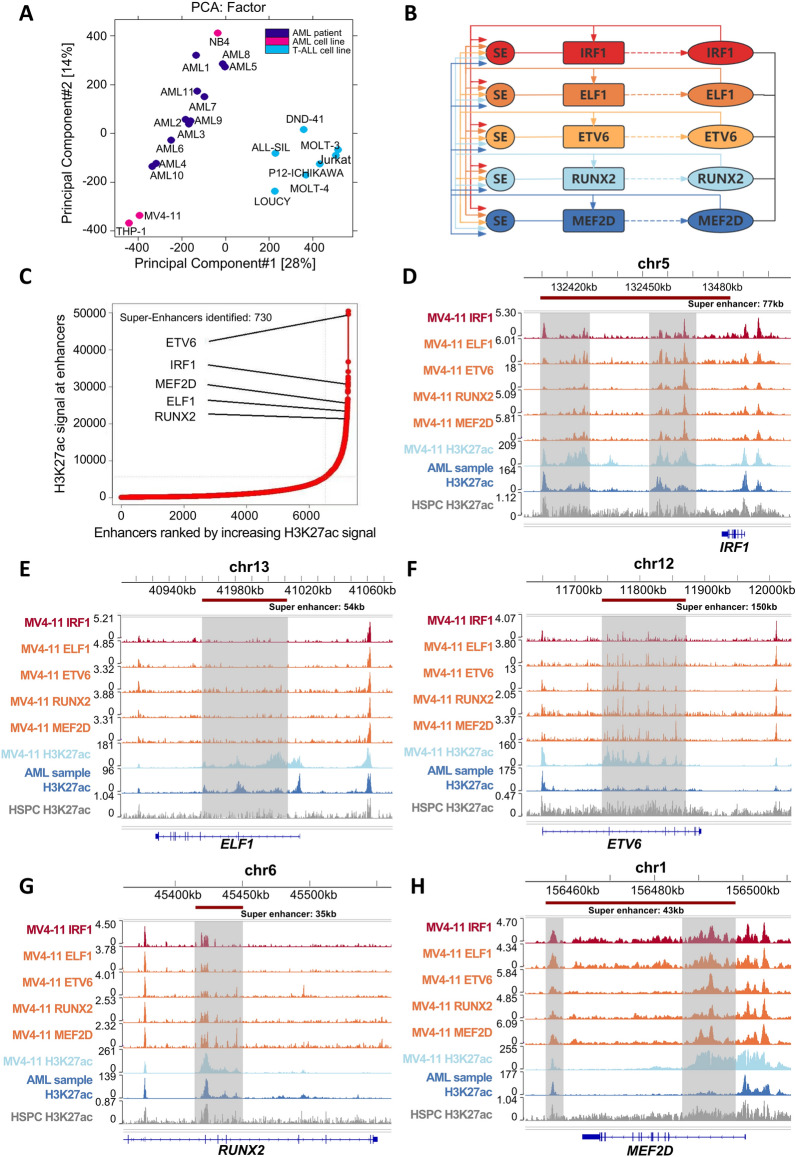 Figure 1
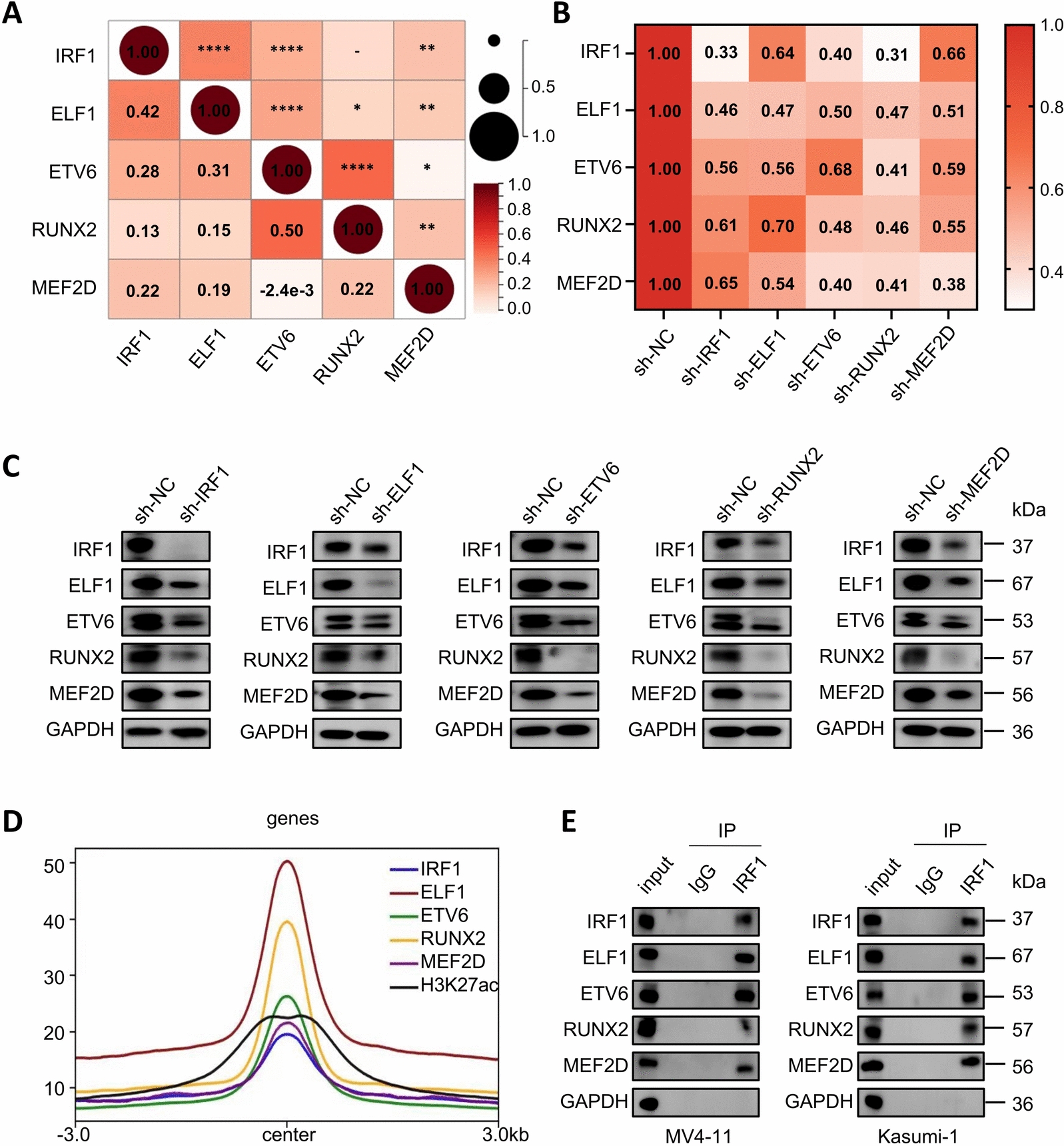 Figure 2
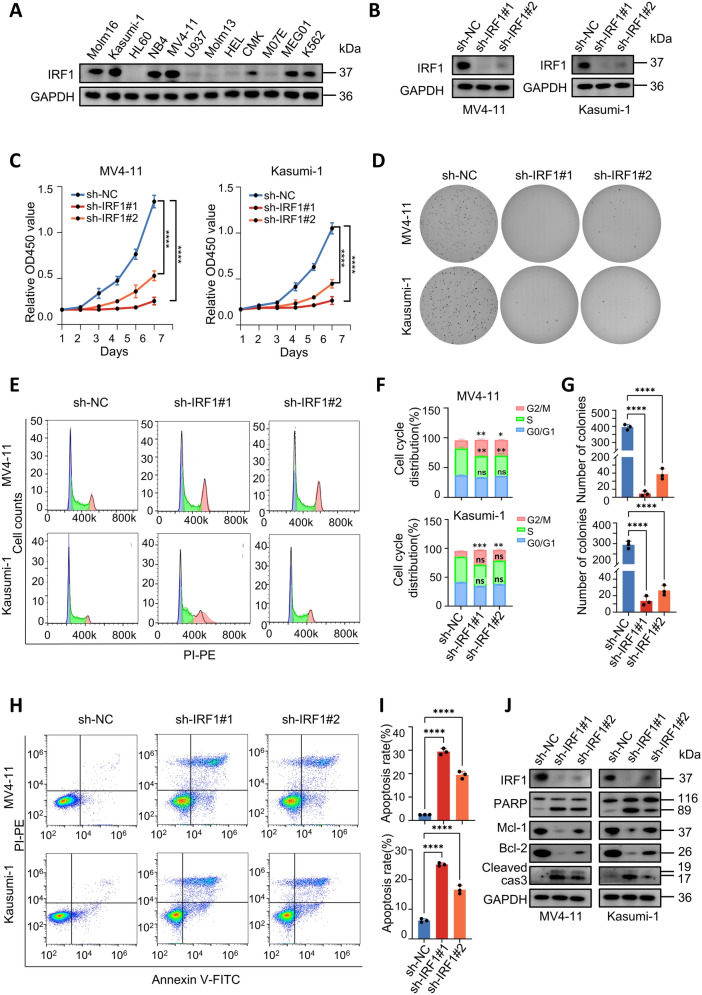 Figure 3
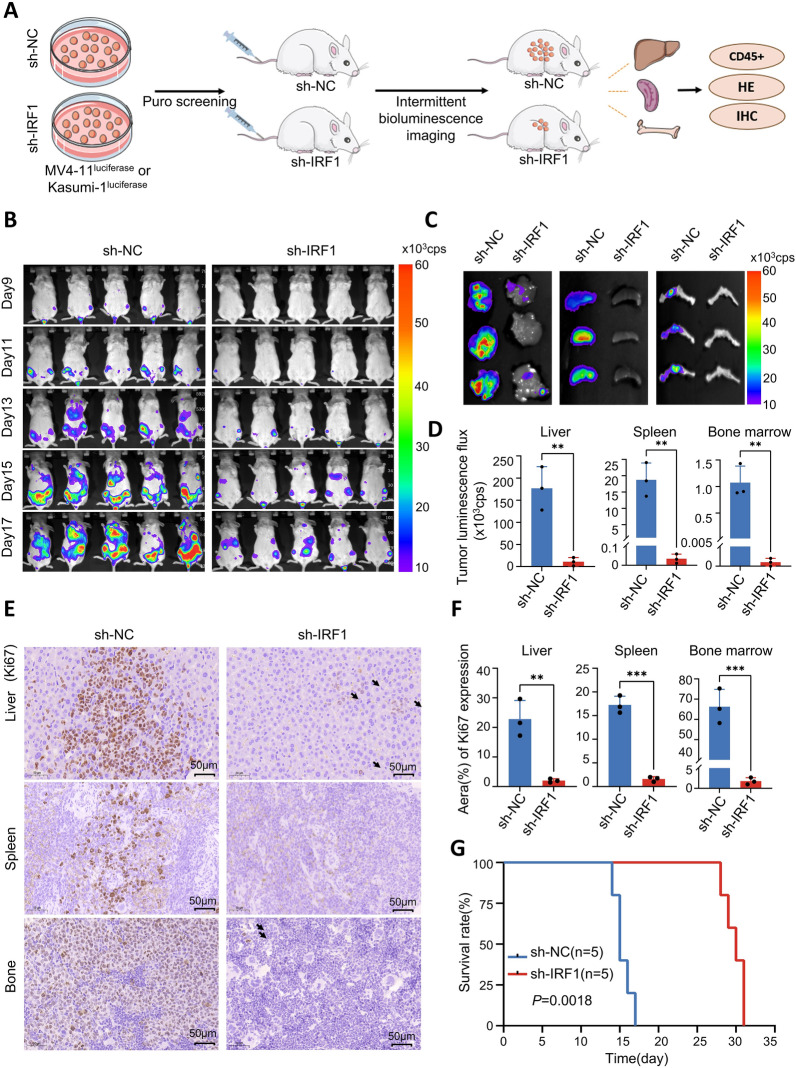 Figure 4
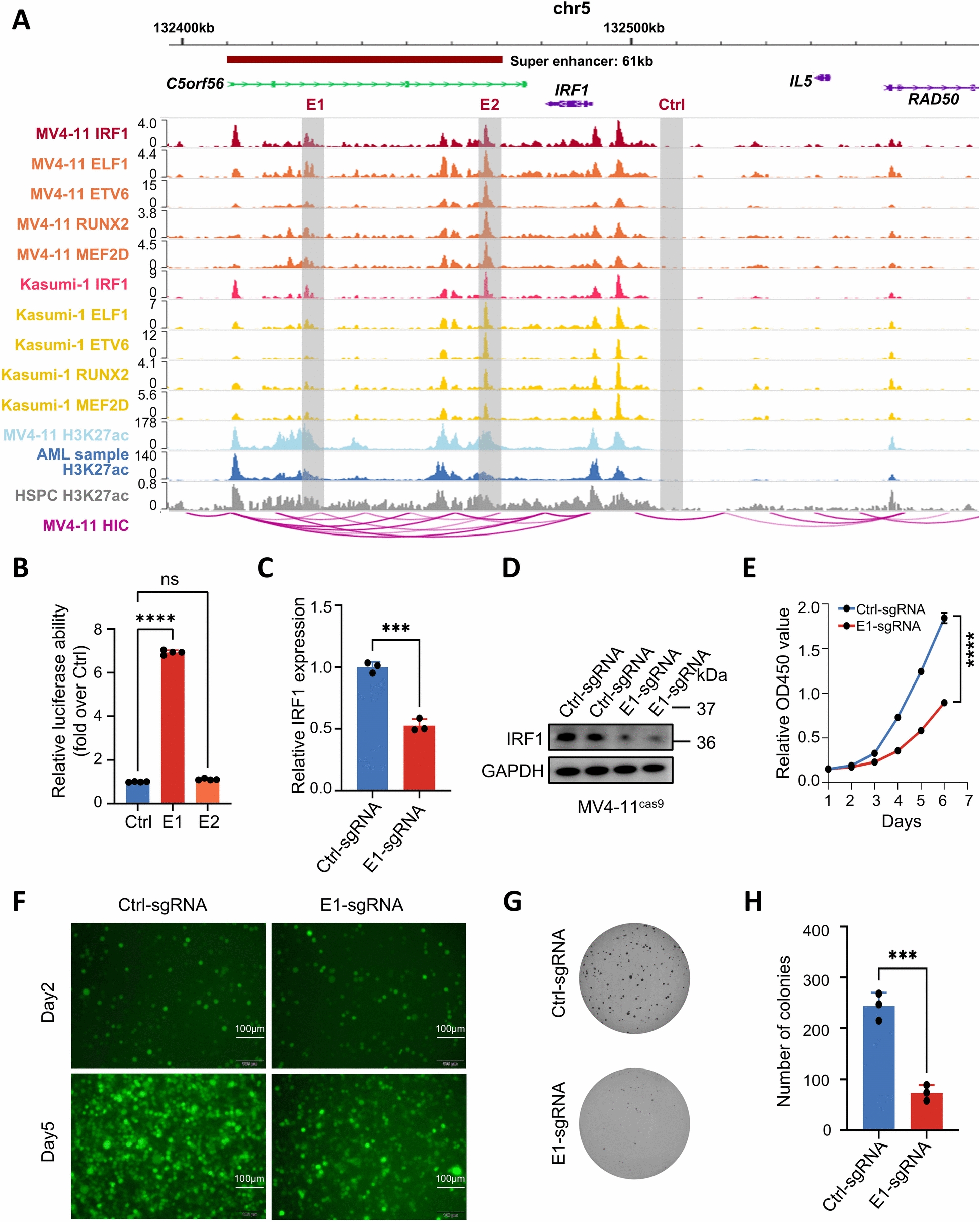 Figure 5
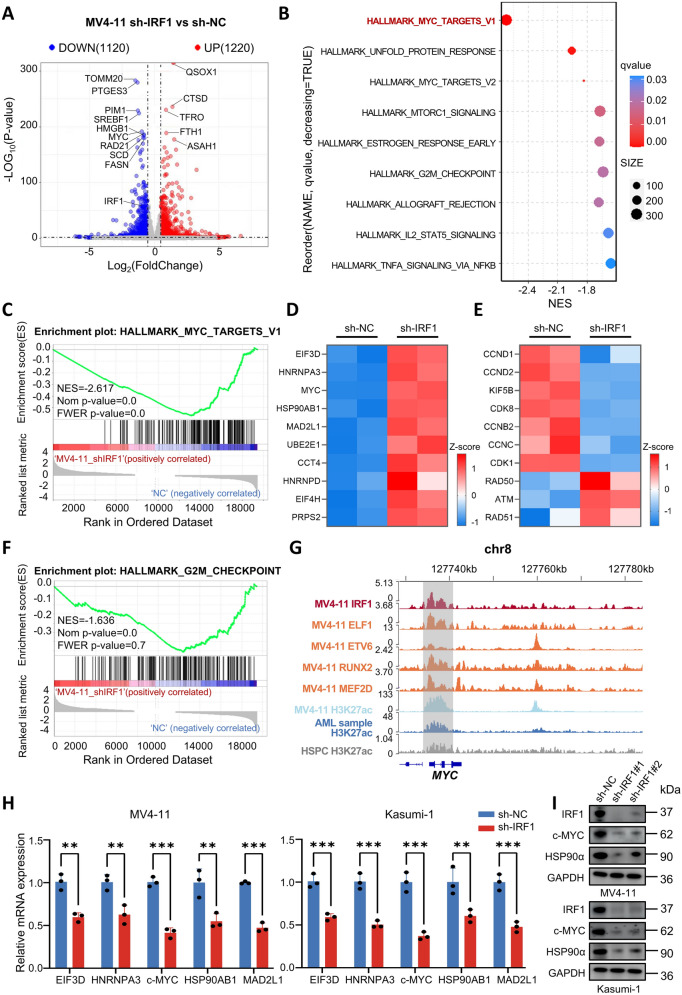 Figure 6
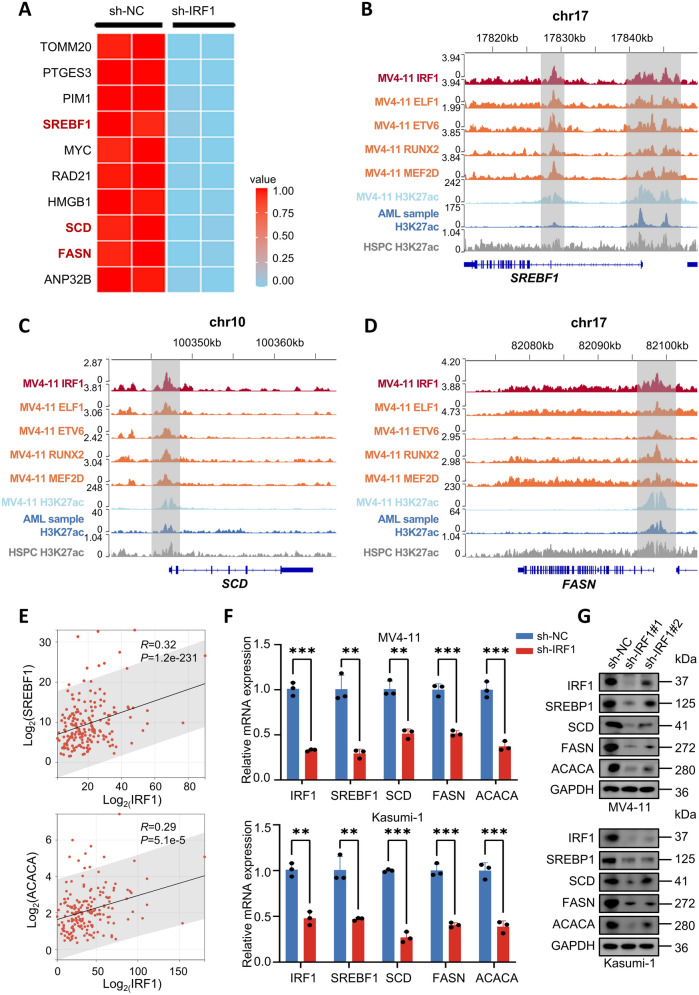 Figure 7
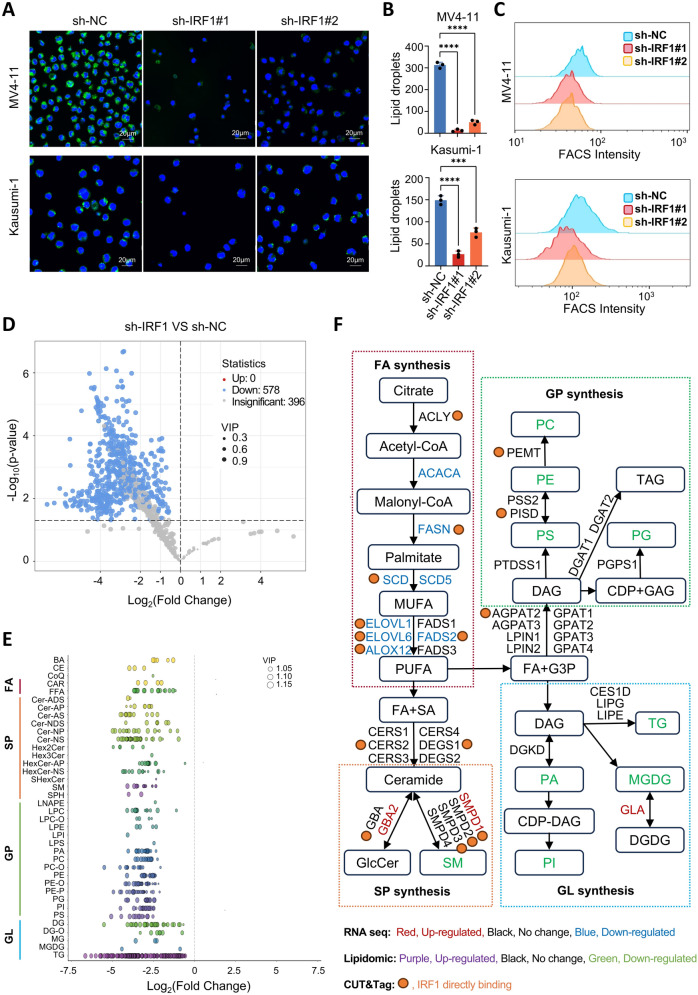 Figure 8
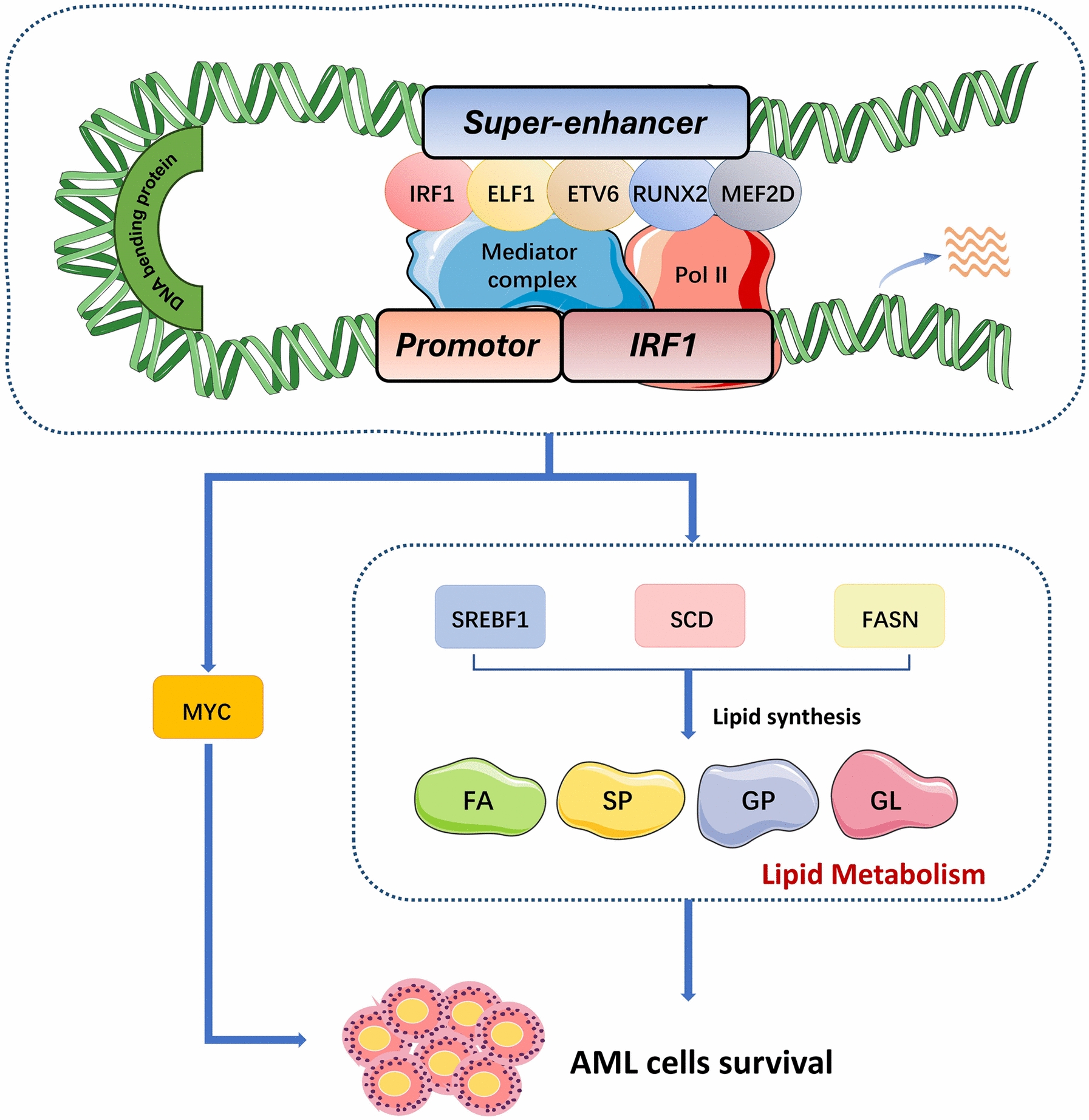 Figure 9
Peer Reviews
No public reviews on file for this paper yet. If you reviewed it on a platform where reviews are public (OpenReview, ICLR, NeurIPS, ICML), you can paste yours below so the community can read it here.
Videos
No videos yet. Explain this paper in a talk, walkthrough, or lecture? Add one.
Taxonomy
TopicsAcute Myeloid Leukemia Research · Protein Degradation and Inhibitors · RNA Research and Splicing