Iatrogenic ventricular septal defect after transcatheter aortic valve implantation: a rare complication
Muhammad Salman Sabri, Hussam Al Hennawi, Shayan Qadir, Lucy Checchio, Chaitra Janga, Hamza Muhammadzai, Donald Haas

TL;DR
This paper presents a rare case of a heart defect caused during a procedure to treat aortic stenosis.
Contribution
The novelty lies in documenting a newly diagnosed iatrogenic ventricular septal defect after TAVI, emphasizing its clinical implications.
Findings
An 83-year-old male developed a peri-membranous VSD after TAVI.
The VSD was not visible in pre-procedural imaging.
The case underscores the importance of recognizing and managing iatrogenic VSD risks.
Abstract
Iatrogenic ventricular septal defect (VSD) is a rare complication following transcatheter aortic valve implantation (TAVI). An 83-year-old male underwent TAVI for severe aortic stenosis (AS) and was diagnosed with a peri-membranous VSD on echocardiography, which was not evident on pre-procedural imaging. This case highlights the risk factors, symptoms, diagnosis, and management of iatrogenic VSD following TAVI.
Genes, proteins, chemicals, diseases, species, mutations and cell lines named across the full text — each resolved to its canonical identifier and authoritative record.
Click any figure to enlarge with its caption.
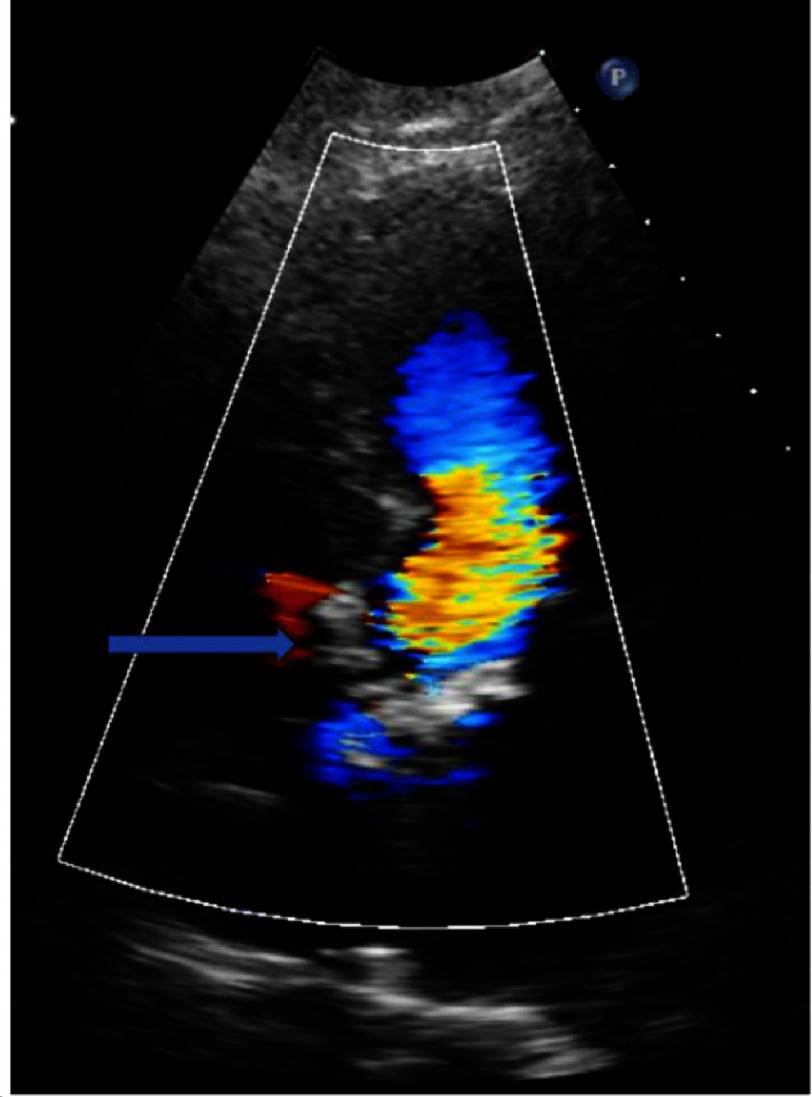 Figure 1
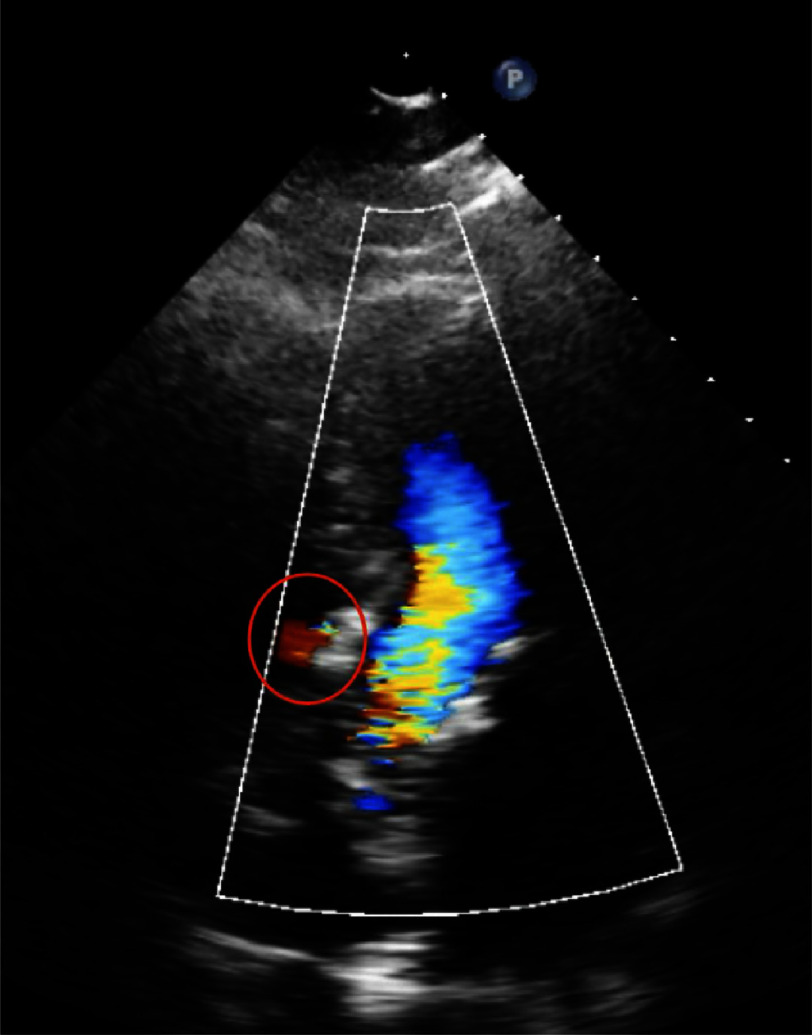 Figure 2
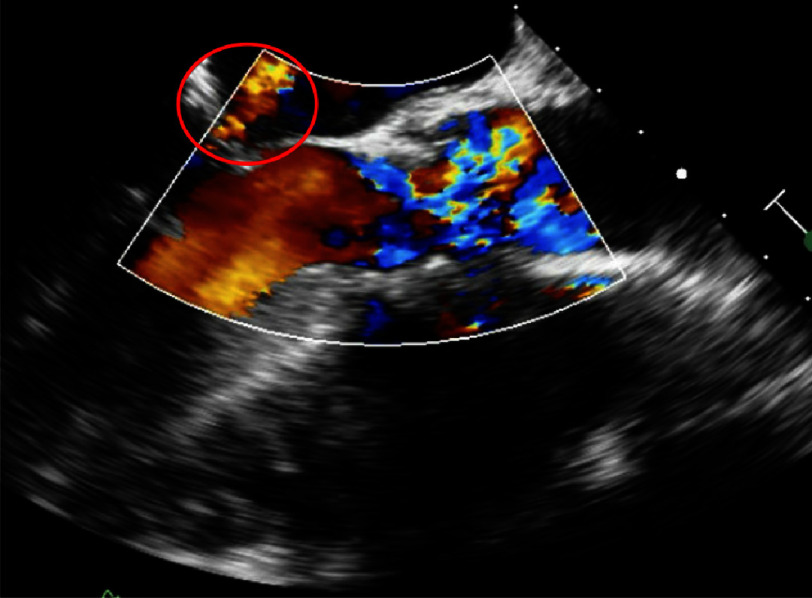 Figure 3
Peer Reviews
No public reviews on file for this paper yet. If you reviewed it on a platform where reviews are public (OpenReview, ICLR, NeurIPS, ICML), you can paste yours below so the community can read it here.
Videos
No videos yet. Explain this paper in a talk, walkthrough, or lecture? Add one.
Taxonomy
TopicsCardiac Valve Diseases and Treatments · Infective Endocarditis Diagnosis and Management · Cardiac Structural Anomalies and Repair