Bodies of evidence: The human remains from Flinders Petrie’s excavations in British Mandate Palestine
Rachael Thyrza Sparks, Nina Maaranen, Maria Giovanna Belcastro, Ariel Gruenthal-Rankin, Francisco Curate

TL;DR
This paper explores the history and ethical issues surrounding human remains excavated by Flinders Petrie in Palestine and later stored in Cambridge, revealing new insights into their treatment and research history.
Contribution
The study rediscovered and analyzed skeletal remains from Flinders Petrie's excavations, uncovering their archival history and raising ethical concerns.
Findings
The skeletal remains from Petrie's excavations were identified in the Duckworth Laboratory in Cambridge.
Analysis revealed a preference for adult individuals, reflecting the original investigators' curation motivations.
Ethical issues were uncovered regarding the collection and use of these remains, especially concerning potential familial links to modern Palestinian populations.
Abstract
In the 1920s and 1930s Flinders Petrie excavated several sites in British Mandate Palestine (Tell Jemmeh, Tell Fara and Tell el-ʿAjjul), encountering numerous burials dating from the Chalcolithic period down to the Ottoman period. The osteological finds were thought to have been discarded, until the authors identified a curated selection of skeletal human remains from these tombs at the Duckworth Laboratory in Cambridge in 2017/2018. Rachael Sparks conducted archival research to explore how the human remains from Petrie’s excavations in the Southern Levant were recovered, recorded, curated and studied. This drew on original excavation records, contemporary publications, official and private correspondence, unpublished research notes, and the evidence of the human skeletal remains themselves. Following on this archival investigation, Nina Maaranen conducted skeletal analyses on…
Genes, proteins, chemicals, diseases, species, mutations and cell lines named across the full text — each resolved to its canonical identifier and authoritative record.
Click any figure to enlarge with its caption.
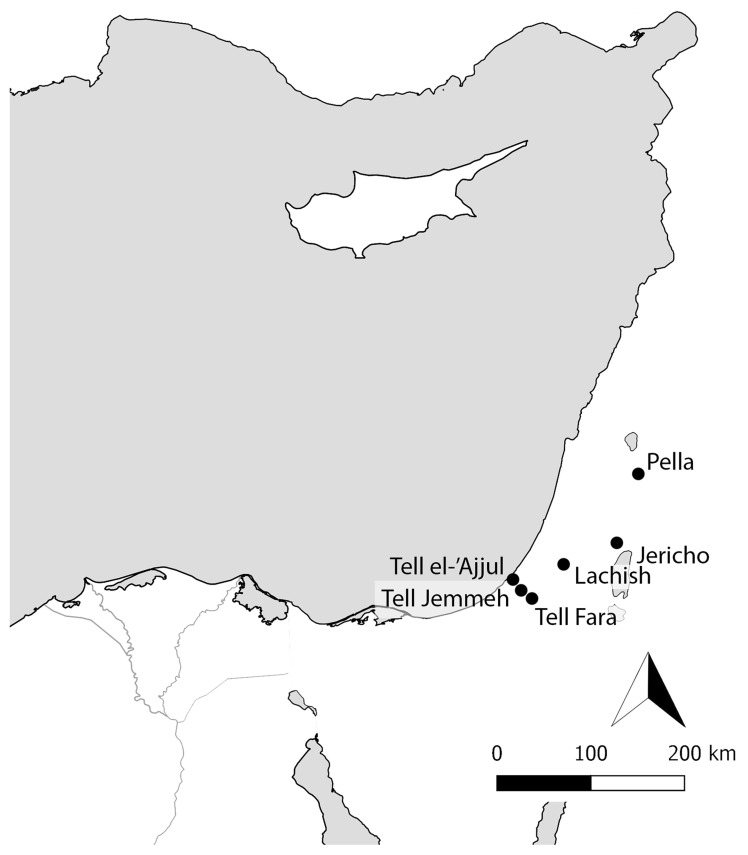 Figure 1
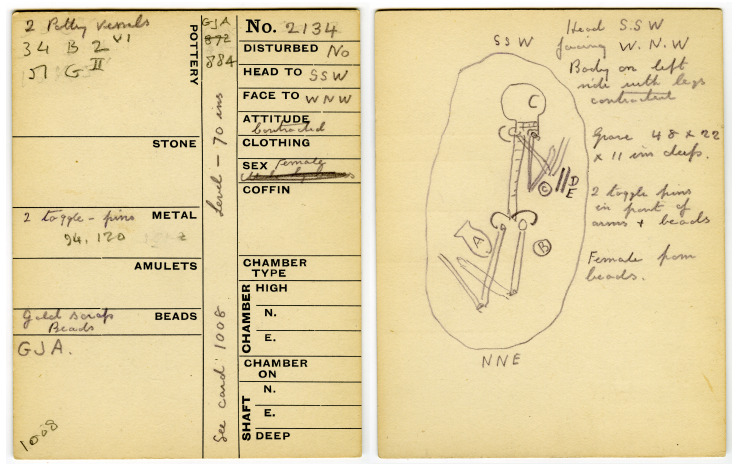 Figure 2
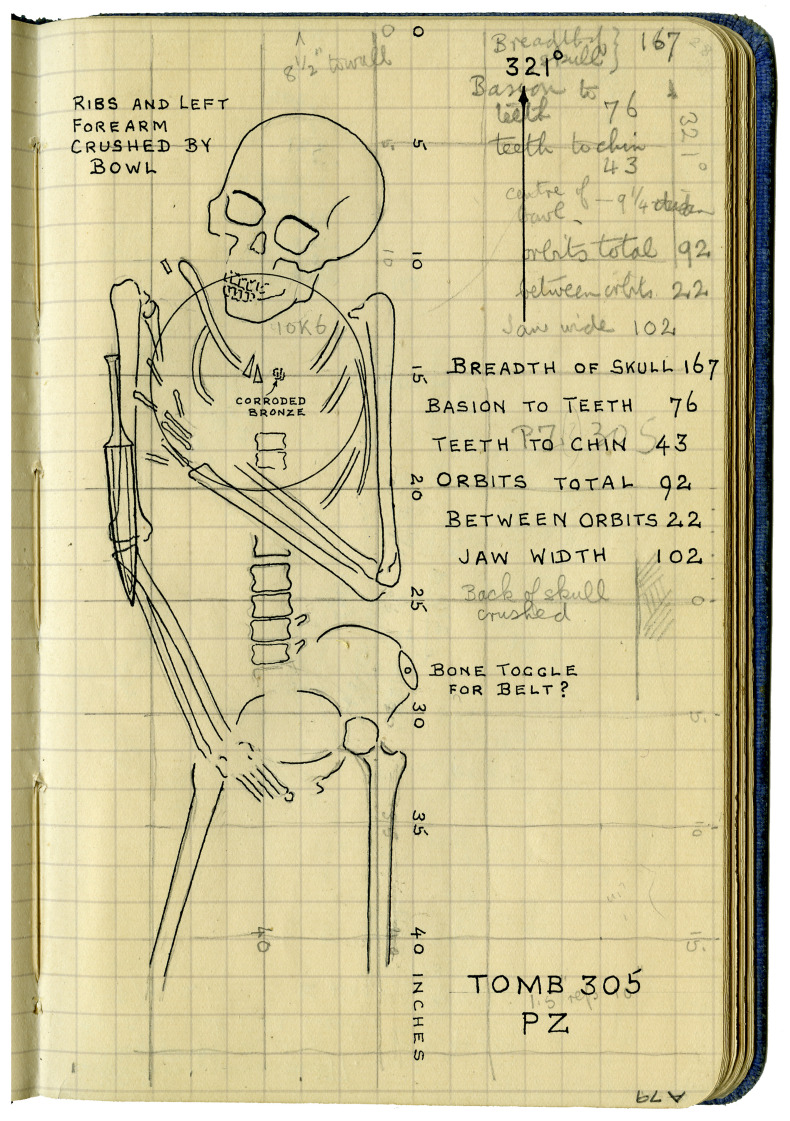 Figure 3
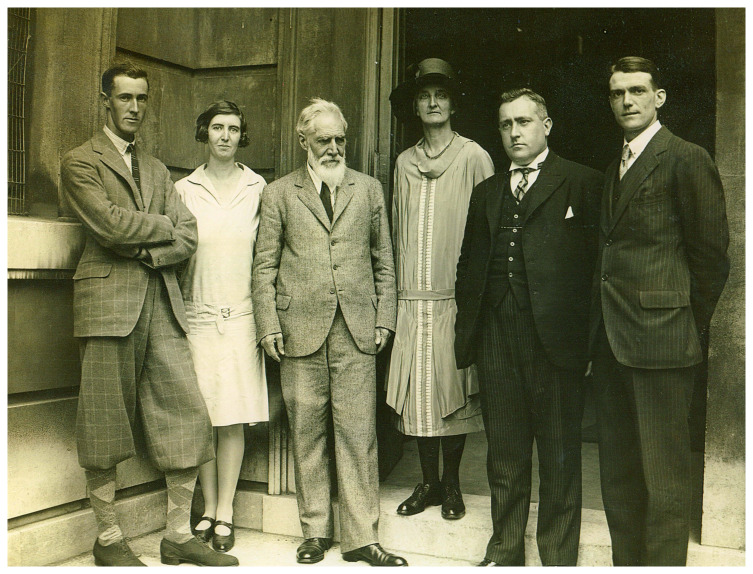 Figure 4
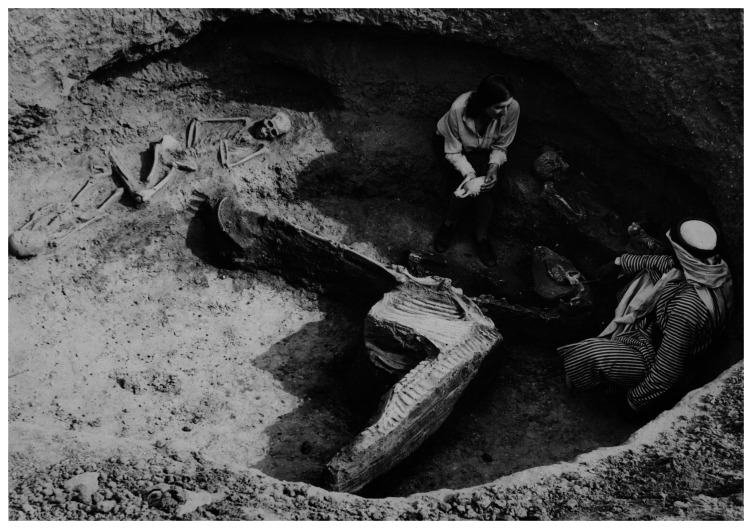 Figure 5
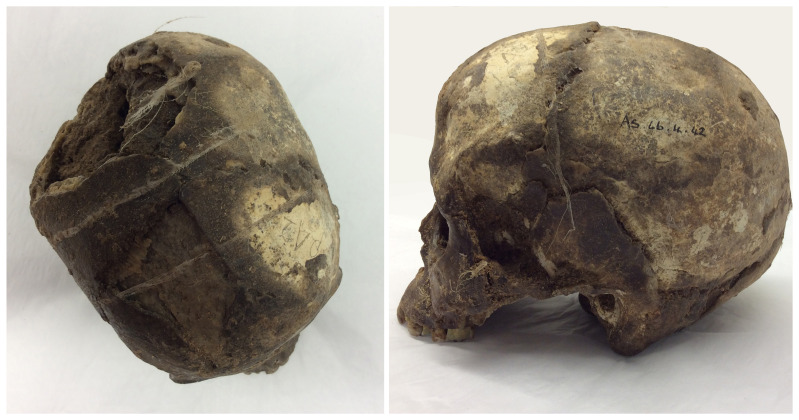 Figure 6
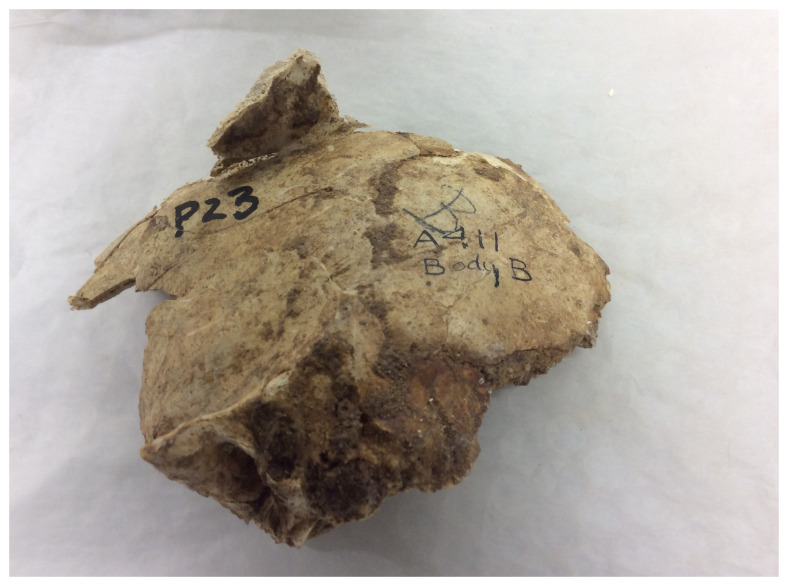 Figure 7
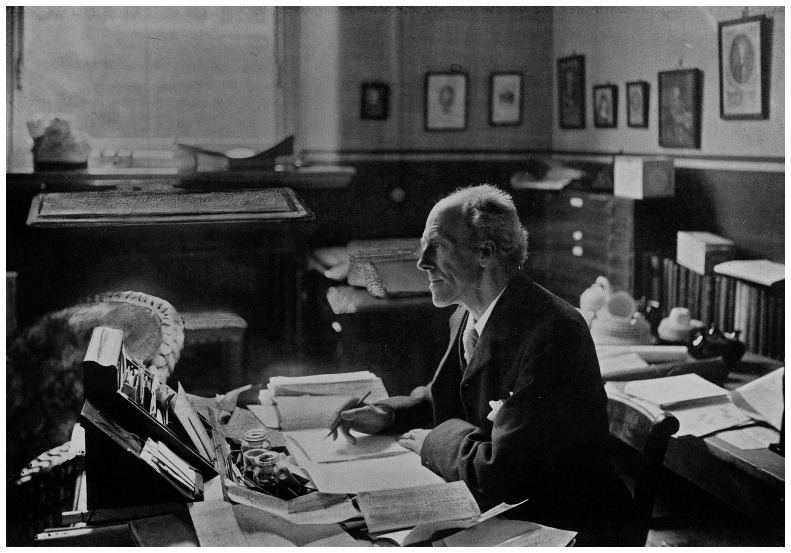 Figure 8
 Figure 9
 Figure 10
Peer Reviews
No public reviews on file for this paper yet. If you reviewed it on a platform where reviews are public (OpenReview, ICLR, NeurIPS, ICML), you can paste yours below so the community can read it here.
Videos
No videos yet. Explain this paper in a talk, walkthrough, or lecture? Add one.
Taxonomy
TopicsForensic Anthropology and Bioarchaeology Studies · Forensic and Genetic Research · Archaeology and Historical Studies