Structured surgical training in minimally invasive esophagectomy (MIE) increases textbook outcome–a risk-adjusted learning curve
Philippa Seika, Friederike Martin, Armanda Serwah, Max Magnus Maurer, Axel Winter, Ramin Raul Ossami-Saidy, Paul V. Ritschl, Eva Dobrindt, Annika Kurreck, Jonas Raakow, Johann Pratschke, Matthias Biebl, Christian Denecke

TL;DR
Structured training in minimally invasive esophagectomy improves surgical outcomes, with textbook results achieved after about 83 cases.
Contribution
The study quantifies the learning curve for MIE and shows that textbook outcomes can be achieved through structured training.
Findings
Technical competence in MIE is achieved after 47 cases for operative time and 55 cases for major complications.
Achieving textbook outcomes requires 83 cases, with no significant difference in survival outcomes between trainer and trainee groups.
Anastomotic leakage rates remained consistent between trainer and trainee groups.
Abstract
Minimally Invasive Esophagectomy (MIE) is a complex surgical procedure that has become a cornerstone in the management of esophageal cancer. This study aims to delineate the learning curve associated with MIE and its impact on patient outcomes. A retrospective analysis was conducted on 191 patients who underwent MIE between 2015 and 2022. The cohort was divided into two groups according to the level of competence: Trainer (n = 100) and Trainee (n = 91). Patient demographics, tumor characteristics, and surgical parameters were examined. RA-CUSUM methodology was employed to monitor patient outcomes, adjusting for variations in risk profiles using varying-coefficient logistic regression models to establish the MIE proficiency learning curve. The trainee achieved competence in terms of operative time within 47 cases, following risk adjustment. Similarly, the learning curve in terms of…
Genes, proteins, chemicals, diseases, species, mutations and cell lines named across the full text — each resolved to its canonical identifier and authoritative record.
Click any figure to enlarge with its caption.
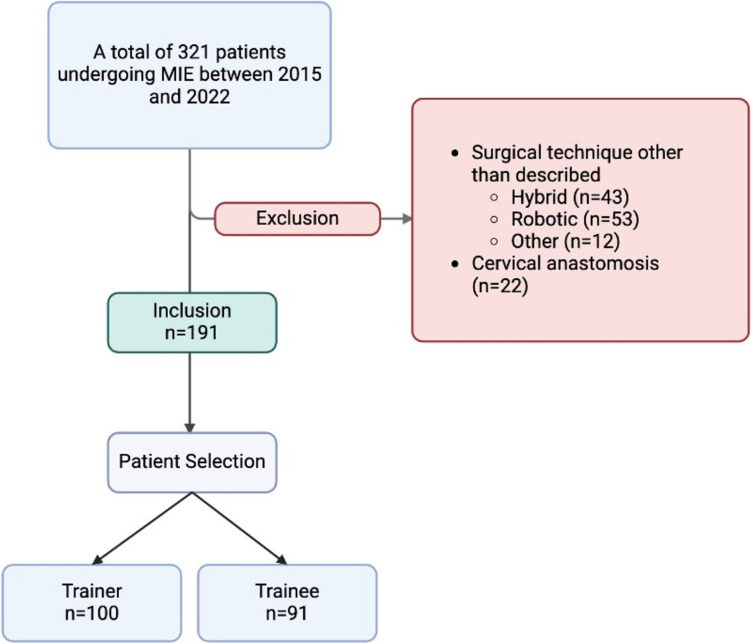 Figure 1
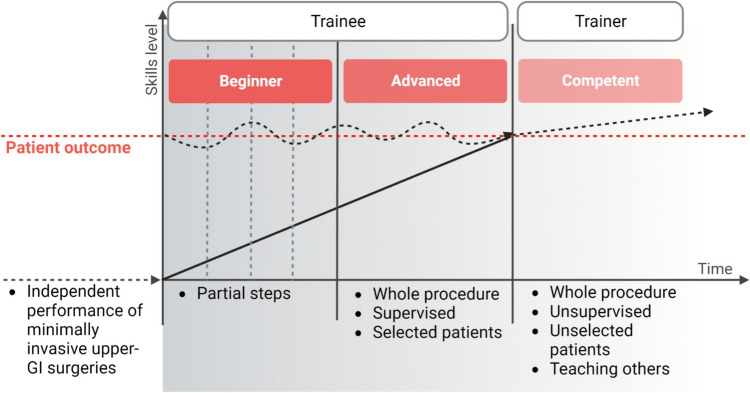 Figure 2
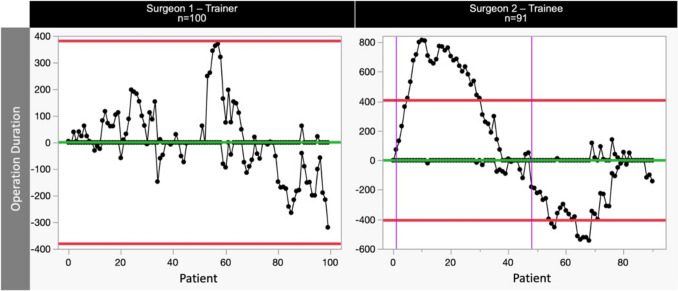 Figure 3
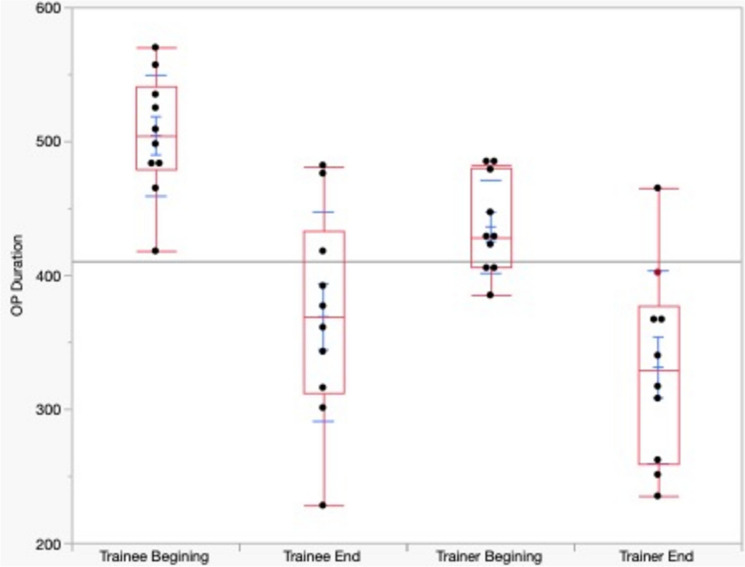 Figure 4
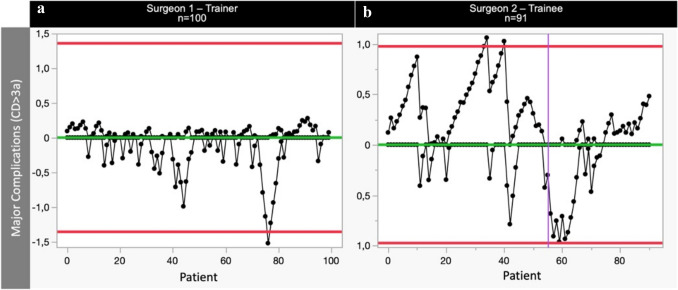 Figure 5
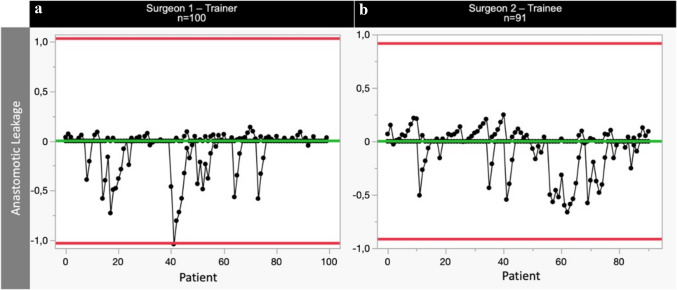 Figure 6
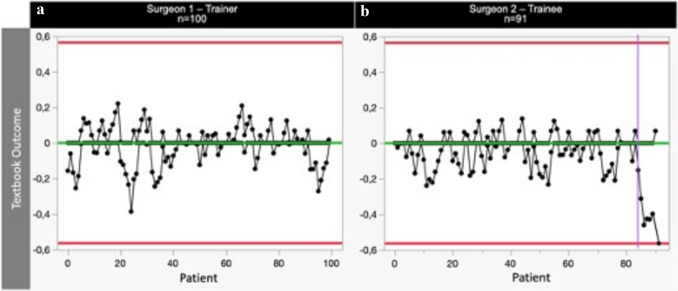 Figure 7
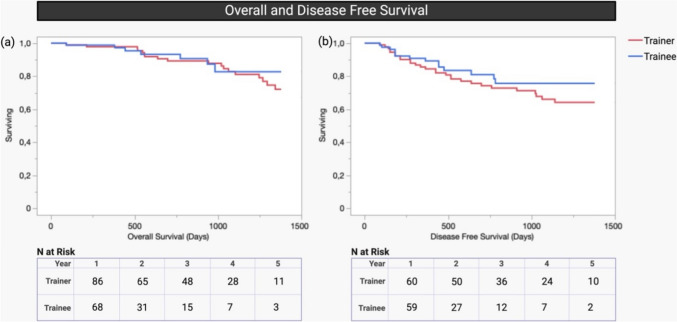 Figure 8
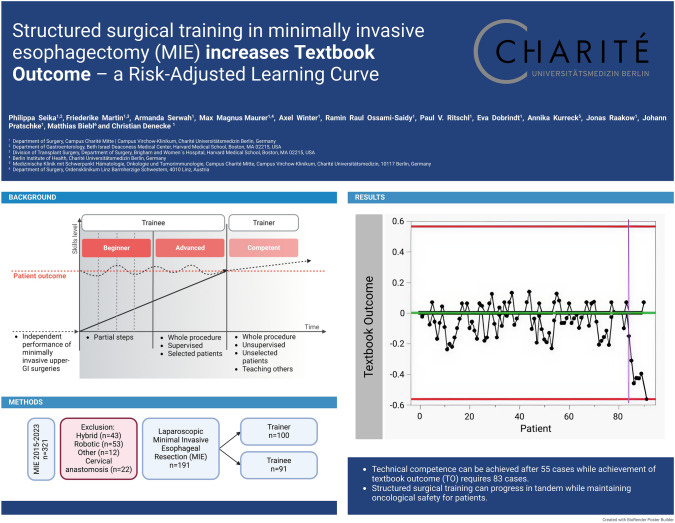 Figure 9
Peer Reviews
No public reviews on file for this paper yet. If you reviewed it on a platform where reviews are public (OpenReview, ICLR, NeurIPS, ICML), you can paste yours below so the community can read it here.
Videos
No videos yet. Explain this paper in a talk, walkthrough, or lecture? Add one.
Taxonomy
TopicsEsophageal Cancer Research and Treatment · Esophageal and GI Pathology · Gastric Cancer Management and Outcomes