Significantly increased bone volume in a critical-sized defect model in the rat animal model by transplantation of a stand-alone vascularized periosteal flap
Florian Wichlas, Maximilian Wenzel, Valeska Hofmann, Klemens Trieb, Amelie Deluca, Herbert Tempfer, Andrea Wagner, Andreas Traweger, Sascha Senck, Christian Deininger

TL;DR
A vascularized periosteal flap significantly increased bone volume in rat femur defects compared to other methods, suggesting improved blood flow aids healing.
Contribution
Demonstrates that a vascularized periosteal flap enhances bone healing in critical-sized defects through improved blood flow.
Findings
The pedicled periosteal flap group showed a 18.77% bone volume/tissue volume ratio after 10 weeks.
The pedicled flap outperformed the ligated flap, crossover, and control groups in bone formation.
Improved blood flow appears essential for healing non-union bone defects.
Abstract
The repair of bony non-unions remains challenging and often requires graft material due to limited availability of autologous bone. The aim of this study was to investigate the potency of a stand-alone pedicled periosteal flap (PF) versus a ligated periosteal flap (PFx), an empty defect and a crossover group in terms of newly formed bone in a 5 mm critical-sized defect in the rat femur diaphysis. The following 4 treatment groups were formed out of a total of 36 male Sprague Dawley rats: Pedicled periosteal flap, ligated periosteal flap, crossover (each n = 10) and empty defect group (n = 6). A prospective randomized plate osteosynthesis was performed. The periosteal flap was dissected along with the supplying vessel from the medial femoral condyle with the aid of magnifying glasses and fixed to the plate and to the defect with a suture. Regular radiographic and µ-CT examinations were…
Genes, proteins, chemicals, diseases, species, mutations and cell lines named across the full text — each resolved to its canonical identifier and authoritative record.
Click any figure to enlarge with its caption.
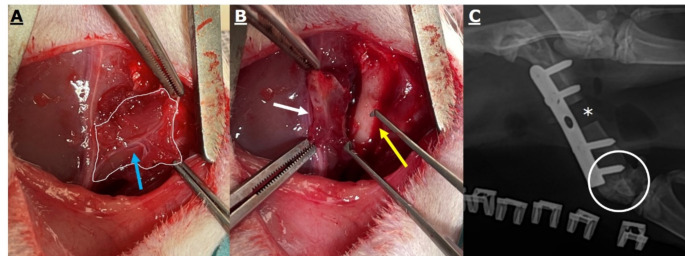 Figure 18
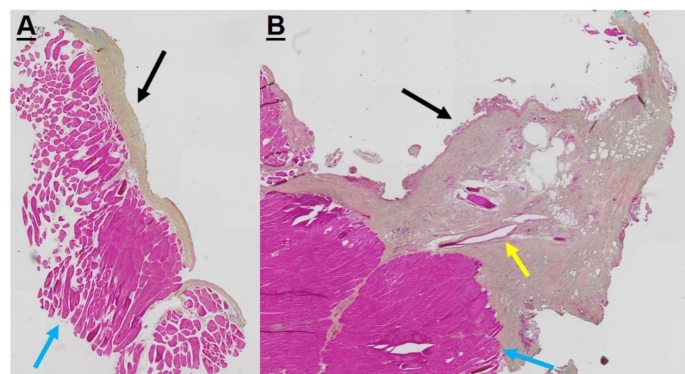 Figure 19
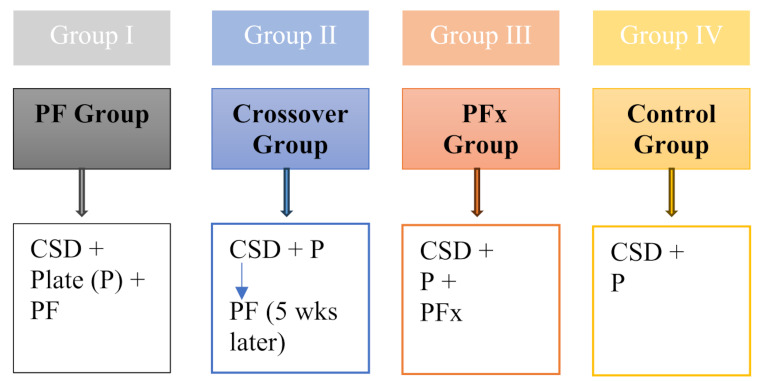 Figure 1
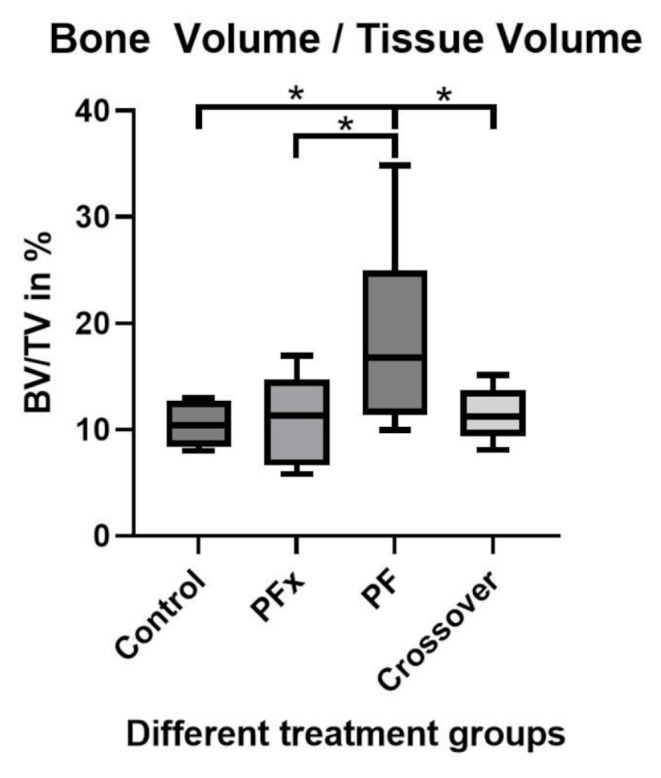 Figure 20
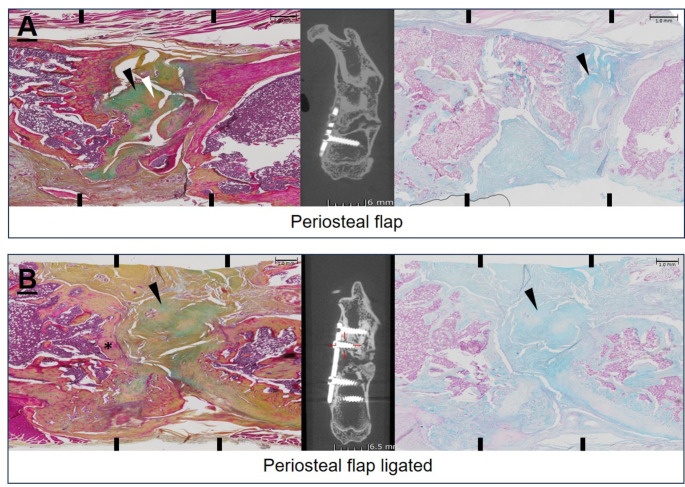 Figure 21
Peer Reviews
No public reviews on file for this paper yet. If you reviewed it on a platform where reviews are public (OpenReview, ICLR, NeurIPS, ICML), you can paste yours below so the community can read it here.
Videos
No videos yet. Explain this paper in a talk, walkthrough, or lecture? Add one.
Taxonomy
TopicsReconstructive Surgery and Microvascular Techniques · Bone fractures and treatments · Orthopaedic implants and arthroplasty