Anal Sphincter Disruption in Open Pelvic Fractures: A Case Report Highlighting the Importance of Early Intervention
Rafique Umer Harvitkar, Alfredo Tonsi, Hussein Al-Najjar, Ioannis Hannadjas, Mariyam Shaheed

TL;DR
A case report shows how early treatment of anal sphincter injuries in pelvic fractures can prevent serious complications and improve recovery.
Contribution
This case highlights the novel emphasis on early intervention for anal sphincter injuries in open pelvic fractures to improve patient outcomes.
Findings
Early diverting colostomy prevented pelvic sepsis in a patient with anal sphincter injury and open pelvic fractures.
Staged reconstruction of the pelvic ring improved functional outcomes in this trauma case.
Prompt recognition and management of perineal injuries are critical in trauma patients with pelvic fractures.
Abstract
Anal sphincter injuries, often accompanying perineal trauma, are closely associated with pelvic fractures (PFs). If unrecognized and untreated, these injuries can lead to sepsis and fecal incontinence. We present the case of a 25-year-old male patient who sustained severe trauma, resulting in unstable open PFs and associated perineal injuries, including anal sphincter damage. The patient was managed with an early diverting colostomy to prevent pelvic sepsis, followed by staged reconstruction of the pelvic ring. This case underscores the importance of a systematic and thorough approach to managing sphincter injuries in post-trauma care. Clinicians must maintain a high index of suspicion for perineal injuries in patients with open PFs, as early intervention can significantly improve functional outcomes.
Genes, proteins, chemicals, diseases, species, mutations and cell lines named across the full text — each resolved to its canonical identifier and authoritative record.
Click any figure to enlarge with its caption.
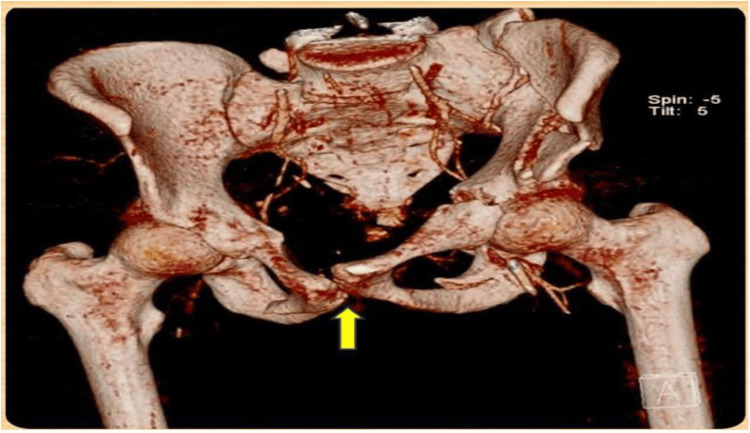 Figure 1
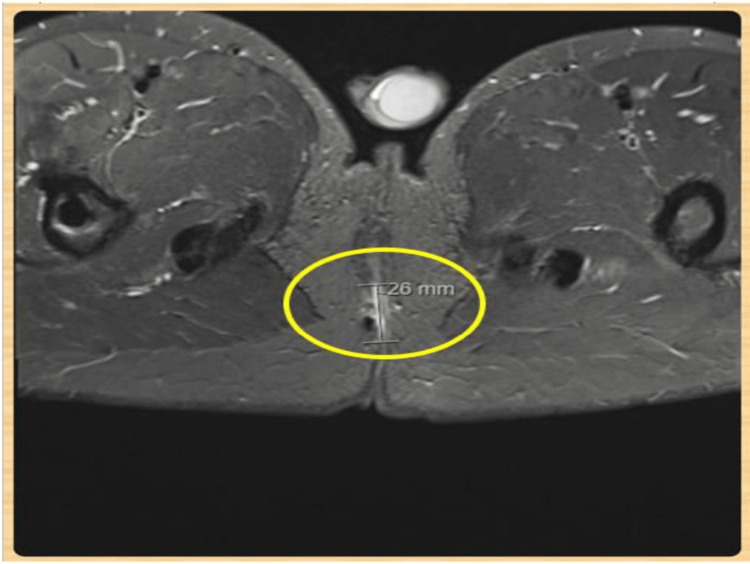 Figure 2
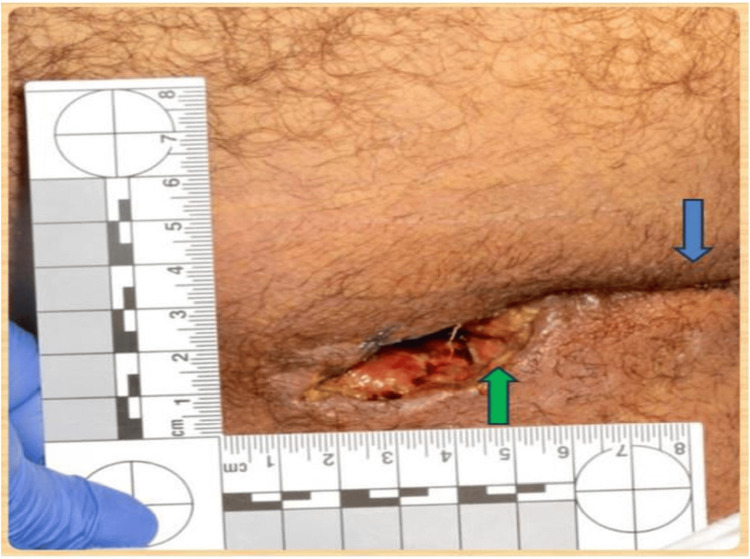 Figure 3
Peer Reviews
No public reviews on file for this paper yet. If you reviewed it on a platform where reviews are public (OpenReview, ICLR, NeurIPS, ICML), you can paste yours below so the community can read it here.
Videos
No videos yet. Explain this paper in a talk, walkthrough, or lecture? Add one.
Taxonomy
TopicsPelvic and Acetabular Injuries · Abdominal Trauma and Injuries · Hernia repair and management