When flames hit the brain, and the spark is far away: the role of PET-CT in diagnosing neurological Erdheim-Chester disease
Caio César Diniz Disserol, Guilherme Fleury Perini, Flávia Fernandes Silva Zacchi, Lívia Almeida Dutra

TL;DR
This paper discusses how PET-CT can help diagnose neurological Erdheim-Chester disease, a rare disorder that affects the brain and is hard to detect.
Contribution
The paper highlights the role of PET-CT in guiding biopsies and interpreting results for targeted therapy in neurological Erdheim-Chester disease.
Findings
PET-CT is useful in identifying neurological involvement in Erdheim-Chester disease.
Biopsy findings combined with immunohistochemistry can guide targeted therapies like vemurafenib for BRAF V600E mutations.
Abstract
Erdheim-Chester disease (ECD) is a rare histiocytic disorder that poses diagnostic and therapeutic challenges. Neurological manifestations are characterized by involvement of the meninges, brainstem, and/or cerebellum, and the differential diagnoses include sarcoidosis, IgG4 related disorders, autoimmune encephalitis, and high-risk syndromes. While present in a significant proportion of cases, neurological involvement is a predictor of mortality and may be the sole manifestation of the disease. In this paper, we discuss recent updates in histiocytic disorders and complementary diagnostic approaches, including positron-emission tomography-computed tomography (PET-CT), as guidance for biopsy in patients with neurological symptoms. Additionally, we explore how clinicians can interpret biopsy findings in conjunction with immunohistochemistry to guide targeted therapies, such as vemurafenib,…
Genes, proteins, chemicals, diseases, species, mutations and cell lines named across the full text — each resolved to its canonical identifier and authoritative record.
Click any figure to enlarge with its caption.
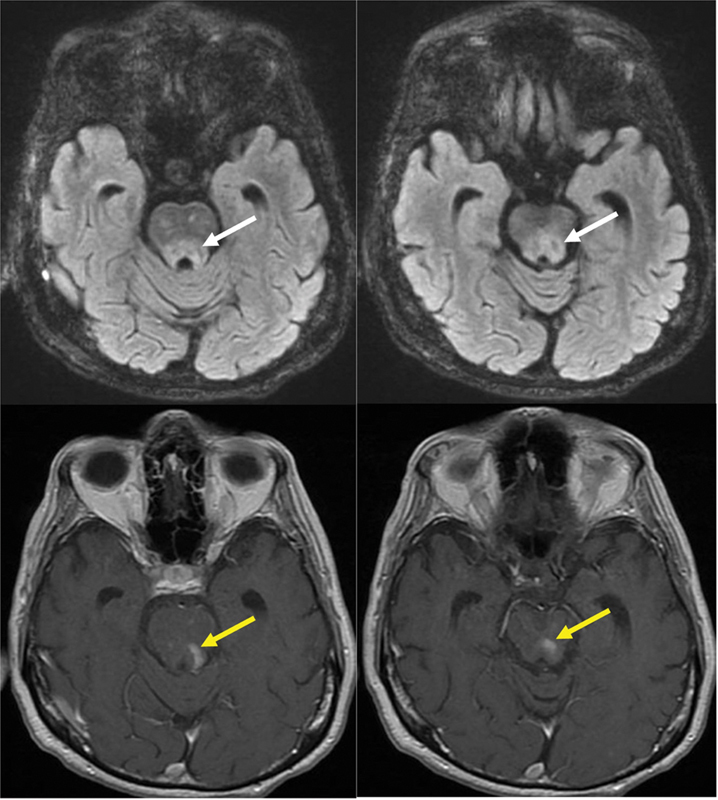 Figure 1
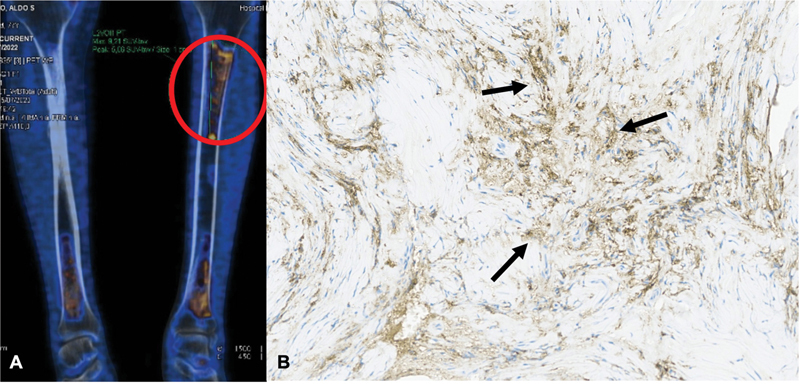 Figure 2
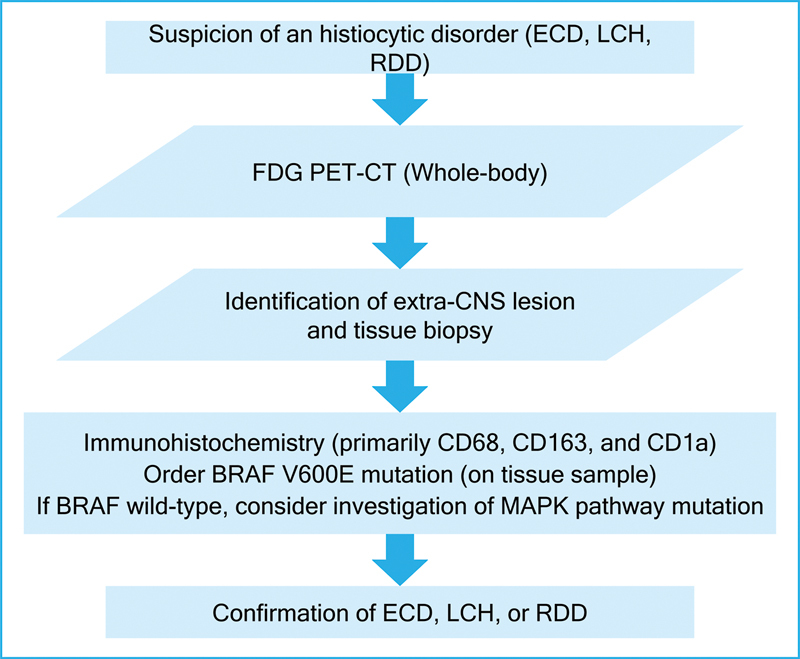 Figure 3
Peer Reviews
No public reviews on file for this paper yet. If you reviewed it on a platform where reviews are public (OpenReview, ICLR, NeurIPS, ICML), you can paste yours below so the community can read it here.
Videos
No videos yet. Explain this paper in a talk, walkthrough, or lecture? Add one.
Taxonomy
TopicsHistiocytic Disorders and Treatments · Extracellular vesicles in disease · Sarcoidosis and Beryllium Toxicity Research