Needs, rationale, and outcomes of leadership education in neurosurgery
Janissardhar Skulsampaopol, Sylvia Shitsama, Yu Ming, Ake Hansasuta, Michael D. Cusimano

TL;DR
This study shows that leadership education is lacking in neurosurgery, especially in non-academic centers and among younger surgeons, and that such training is linked to more leadership roles and less burnout.
Contribution
The study identifies specific demographic and institutional gaps in leadership education and demonstrates its positive impact on leadership roles and burnout rates.
Findings
48% of neurosurgeons reported no leadership education in their organization, especially in non-academic centers and South America.
Leadership training is associated with a 16.3% lower burnout rate and a 21.6% higher chance of being offered leadership roles.
Similar proportions of males and females have access to leadership training and positions despite regional and institutional differences.
Abstract
Surgeons are expected to lead teams/organizations to achieve optimal patient outcomes; however, few receive formal education in leadership. The goals of the study were to: 1) assess the unmet needs and gaps in leadership education for neurosurgeons and residents/fellows; 2) identify factors associated with availability of leadership education, access to leadership positions and the similarities/differences across geographic regions and institutional type; 3) describe the associations between gender and leadership; 4) determine the impact of leadership education. International survey of 657 neurosurgeons, residents/fellows. A series of univariate analysis and multivariate were conducted to assess the association between specific variables and leadership outcomes. Almost half (48%) indicated that leadership education did not exist in their organization. This lack was more notable in…
Genes, proteins, chemicals, diseases, species, mutations and cell lines named across the full text — each resolved to its canonical identifier and authoritative record.
Click any figure to enlarge with its caption.
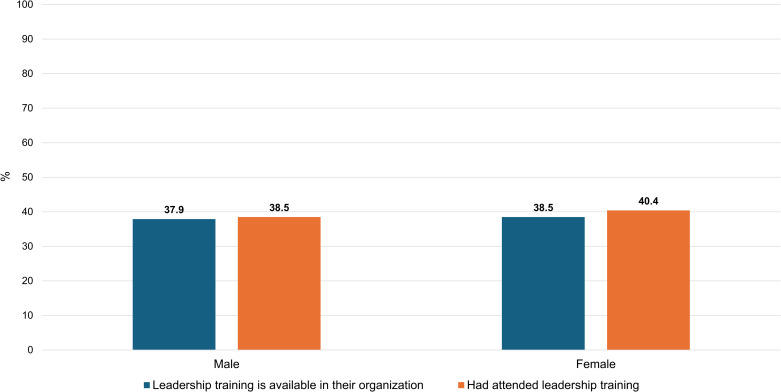 Figure 1
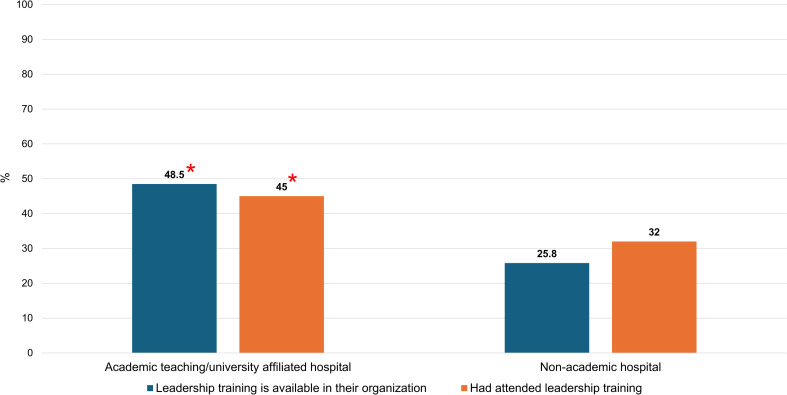 Figure 2
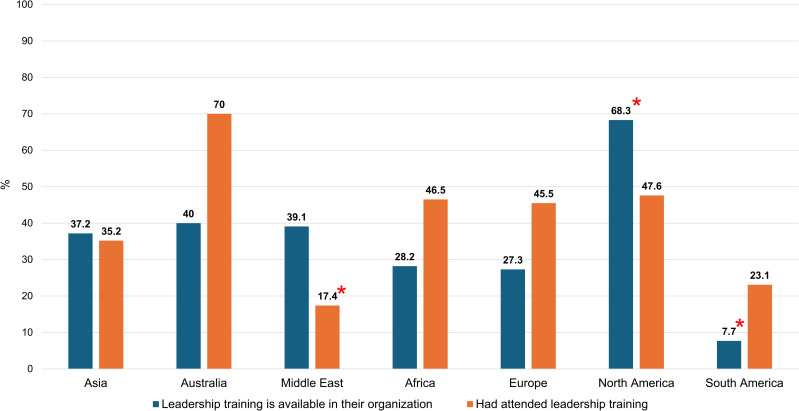 Figure 3
 Figure 4
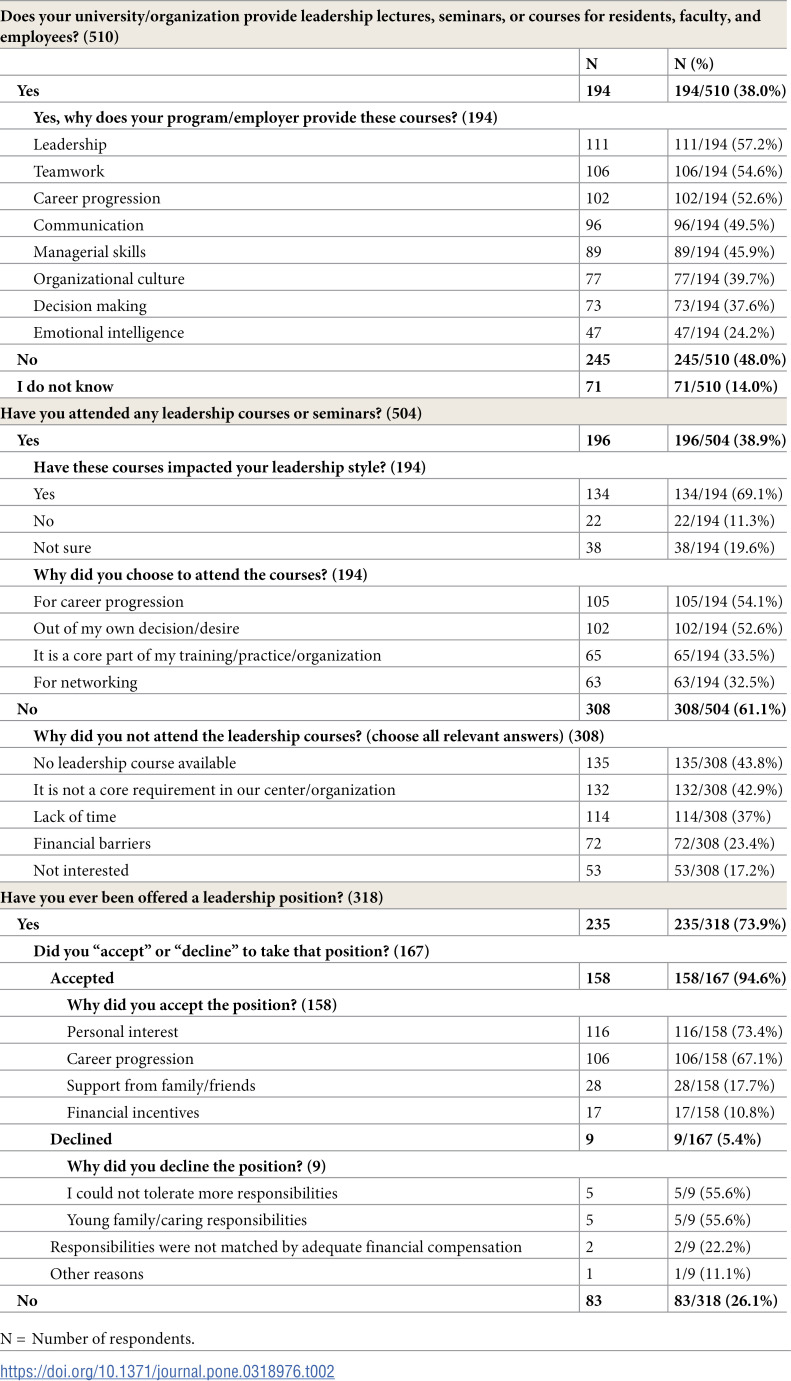 Figure 5
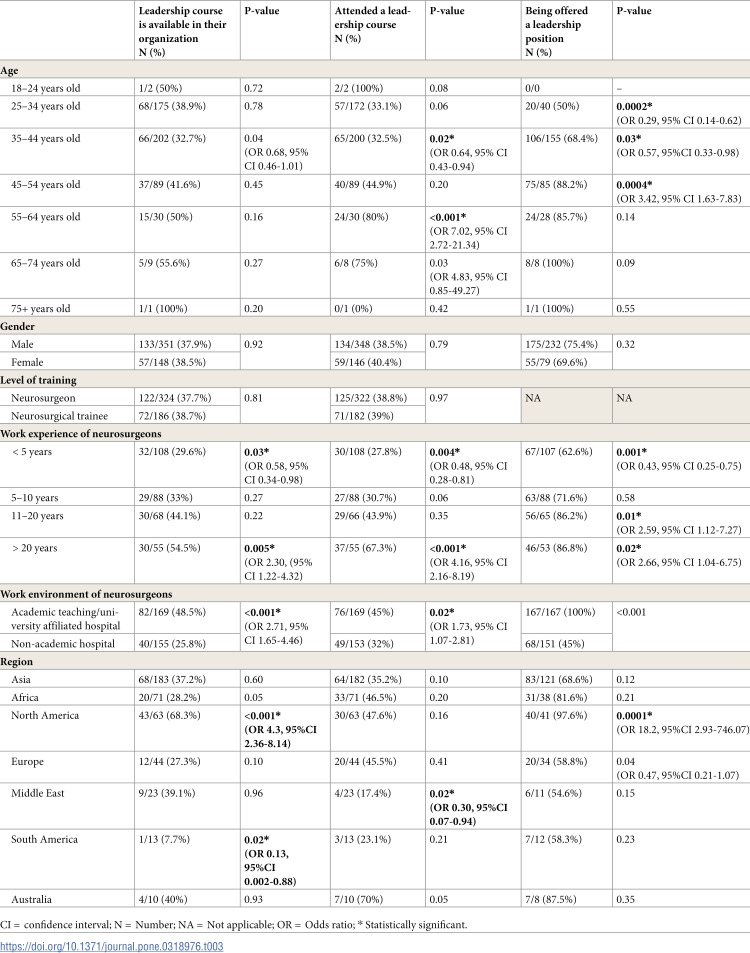 Figure 6
 Figure 7
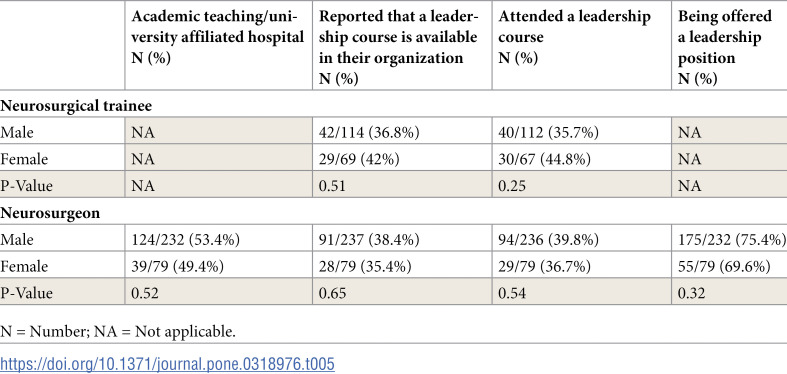 Figure 8
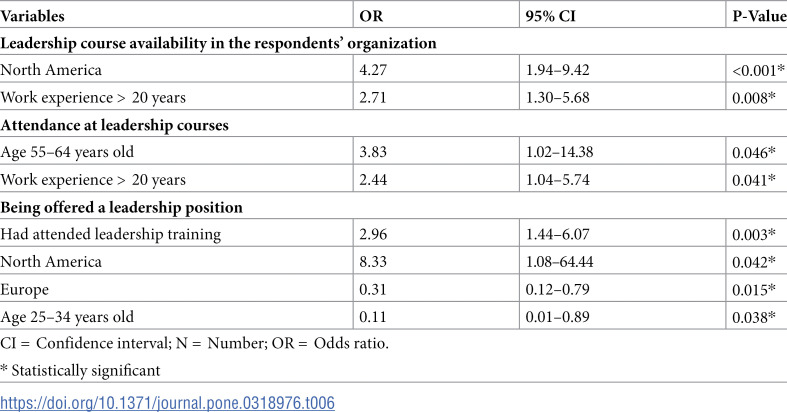 Figure 9
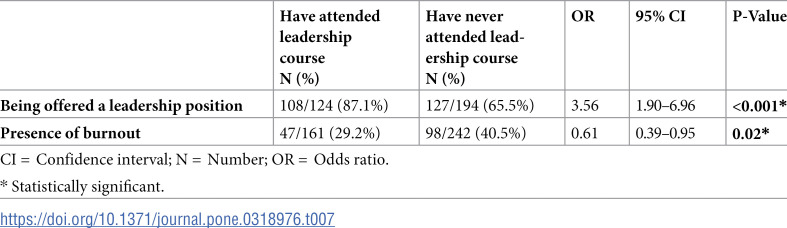 Figure 10
Peer Reviews
No public reviews on file for this paper yet. If you reviewed it on a platform where reviews are public (OpenReview, ICLR, NeurIPS, ICML), you can paste yours below so the community can read it here.
Videos
No videos yet. Explain this paper in a talk, walkthrough, or lecture? Add one.
Taxonomy
TopicsRadiology practices and education · Surgical Simulation and Training · Diversity and Career in Medicine