History and Evolution of the Otoscope
Cody Suh, Daniel Z Zhao, Latha Ganti

TL;DR
This paper reviews the history and development of the otoscope, a medical tool used to examine the ear and diagnose ENT disorders.
Contribution
The paper offers a historical analysis of the otoscope's evolution and its impact on clinical practice.
Findings
The otoscope has evolved from a tool for studying the middle ear to a globally used diagnostic device.
Key pioneers in its development are highlighted, showing its transformation over time.
The otoscope is now essential for diagnosing conditions like ear infections and cerumen impaction.
Abstract
This paper provides an in-depth review of the evolution of the otoscope in the medical field, examining its development through a historical lens. The otoscope has significantly revolutionized the field of otology, becoming an essential tool used globally by healthcare practitioners to identify ear, nose, and throat (ENT) disorders. It is commonly used to inspect the auditory canal for conditions such as cerumen impaction and acute otitis media. From its early conception focused on studying the middle ear to its present-day form, this paper explores the otoscope's rich history, highlighting key pioneers in its development and discussing its future implications in clinical practice.
Genes, proteins, chemicals, diseases, species, mutations and cell lines named across the full text — each resolved to its canonical identifier and authoritative record.
Click any figure to enlarge with its caption.
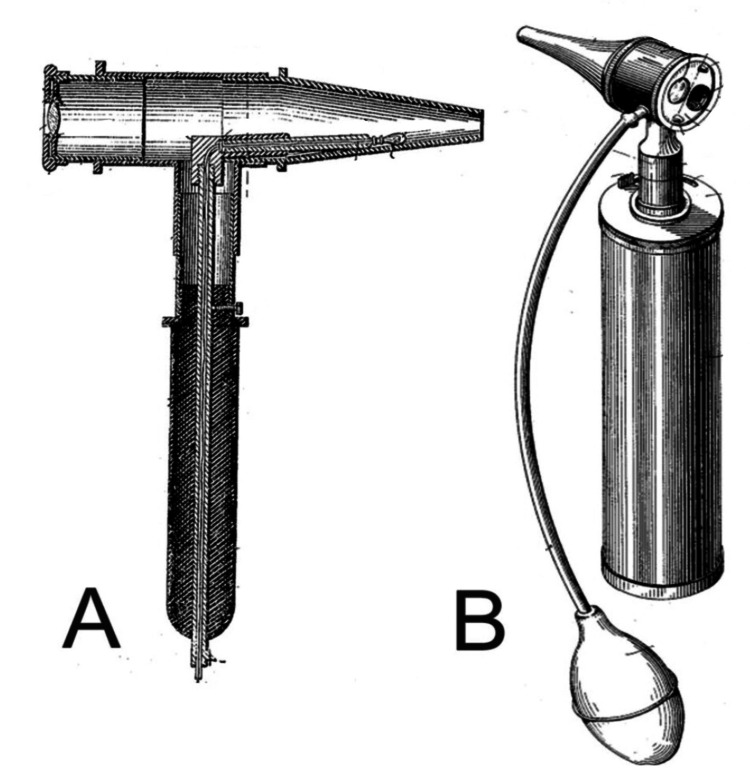 Figure 1
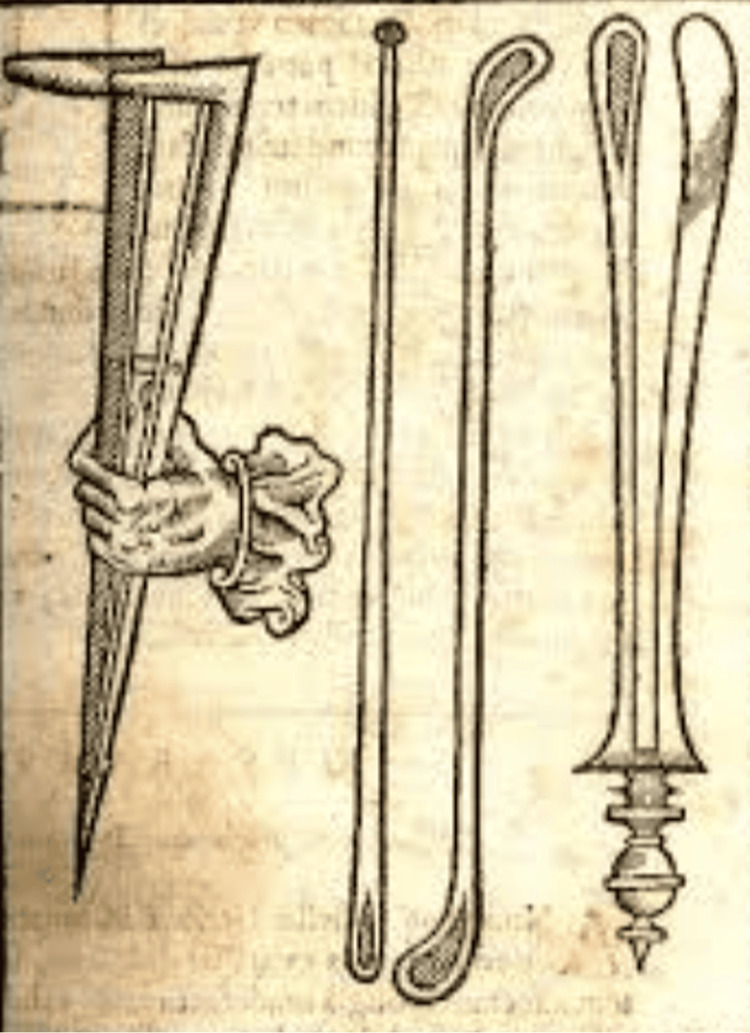 Figure 2
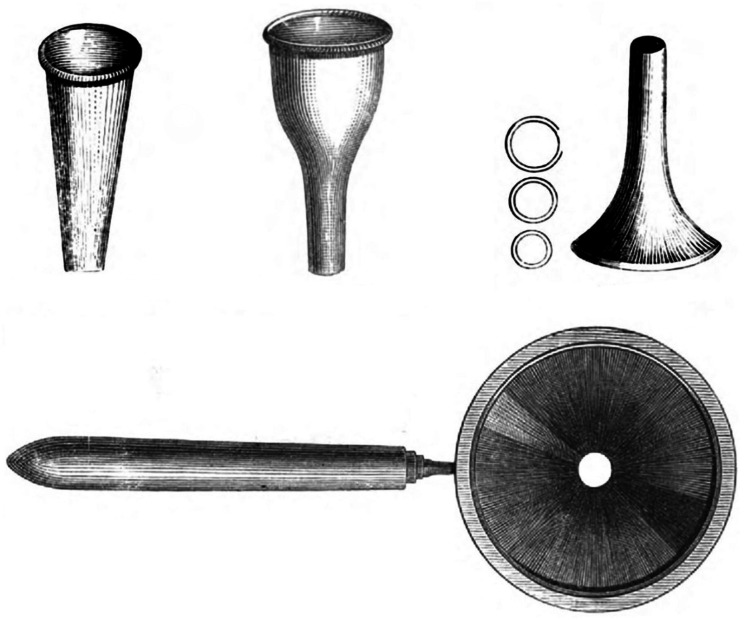 Figure 3
Peer Reviews
No public reviews on file for this paper yet. If you reviewed it on a platform where reviews are public (OpenReview, ICLR, NeurIPS, ICML), you can paste yours below so the community can read it here.
Videos
No videos yet. Explain this paper in a talk, walkthrough, or lecture? Add one.
Taxonomy
TopicsGlaucoma and retinal disorders · Ophthalmology and Visual Health Research · Cardiovascular Syncope and Autonomic Disorders