Early economic evaluation of chelation therapy in kidney transplant recipients with high-normal lead
Jiasi Hao, Behrooz Z. Alizadeh, Maarten J. Postma, Daan J. Touw, Stephan J. L. Bakker, Lisa A. de Jong

TL;DR
This study evaluates the cost-effectiveness of using chelation therapy with DMSA to remove lead in kidney transplant recipients with high-normal lead levels, finding it could save money and improve health outcomes.
Contribution
The study provides the first early economic evaluation of chelation therapy for kidney transplant recipients with high-normal lead.
Findings
Chelation therapy was found to be cost-saving and improved health outcomes in kidney transplant recipients.
The intervention had a dominant cost-effectiveness ratio with a 60% probability of being cost-effective.
Applying the intervention in the Dutch population could save €27 million in the first five years.
Abstract
Kidney transplant recipients (KTR) with high-normal lead have a higher risk of graft failure (GF). Clinically, chelation therapy using meso-2,3-dimercaptosuccinic acid (DMSA) removes lead. Despite the proposal that chelation therapy can prevent GF through lead removal, evidence is lacking. To guide research efforts, we conducted an early economic evaluation, aiming to explore the economic feasibility of screening for and implementing chelation therapy with oral DMSA for high-normal plasma lead concentrations in KTR (i.e., the intervention) compared to standard of care. A Markov model simulated the life course of 10,000 KTR in the Netherlands from a societal perspective. Transition probabilities were estimated using the data from TransplantLines Food and Nutrition Biobank and Cohort study. Costs and utilities were sourced from publications and public data. Model robustness was…
Genes, proteins, chemicals, diseases, species, mutations and cell lines named across the full text — each resolved to its canonical identifier and authoritative record.
Click any figure to enlarge with its caption.
 Figure 1
 Figure 2
 Figure 3
 Figure 4
 Figure 5
 Figure 6
 Figure 7
 Figure 8
 Figure 9
 Figure 10
 Figure 11
 Figure 12
 Figure 13
 Figure 14
 Figure 15
 Figure 16
 Figure 17
 Figure 18
 Figure 19
 Figure 20
 Figure 21
 Figure 22
 Figure 23
 Figure 24
 Figure 25
 Figure 26
 Figure 27
 Figure 28
 Figure 29
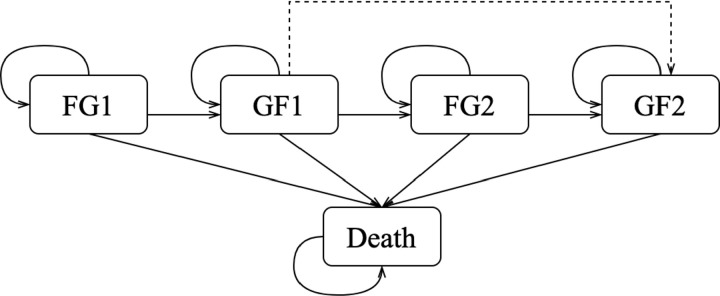 Figure 30
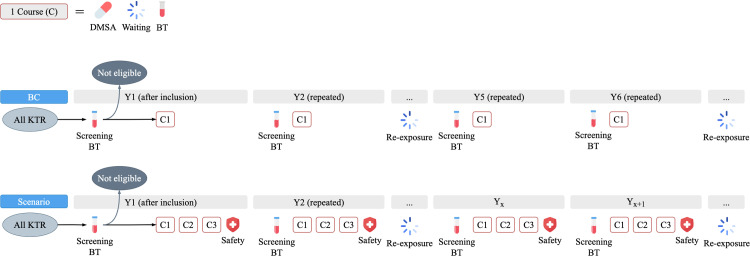 Figure 31
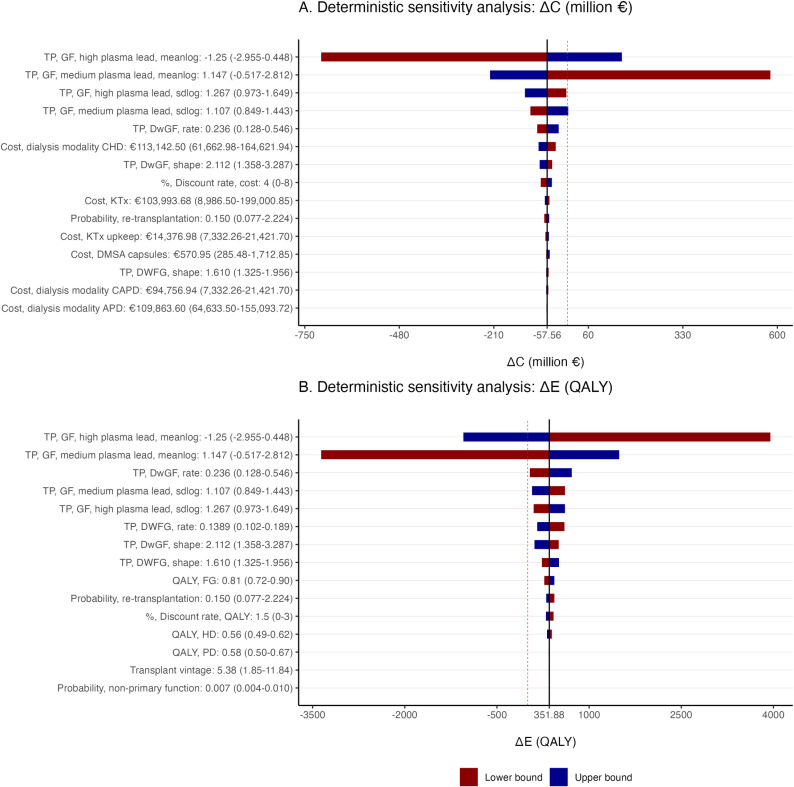 Figure 32
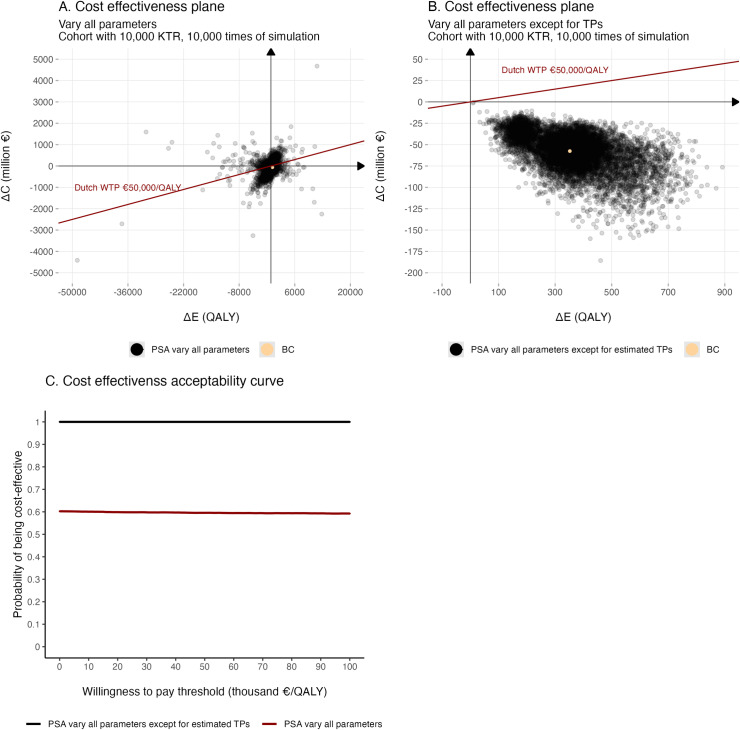 Figure 33
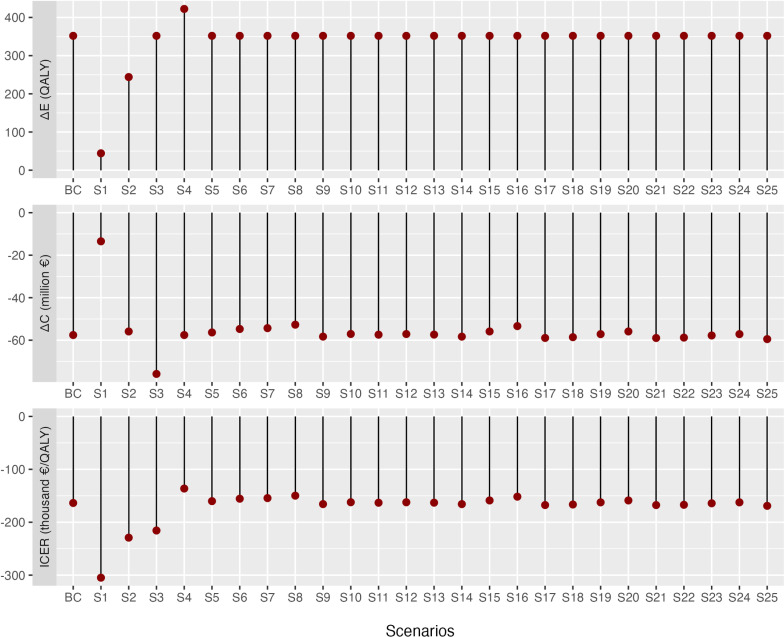 Figure 34
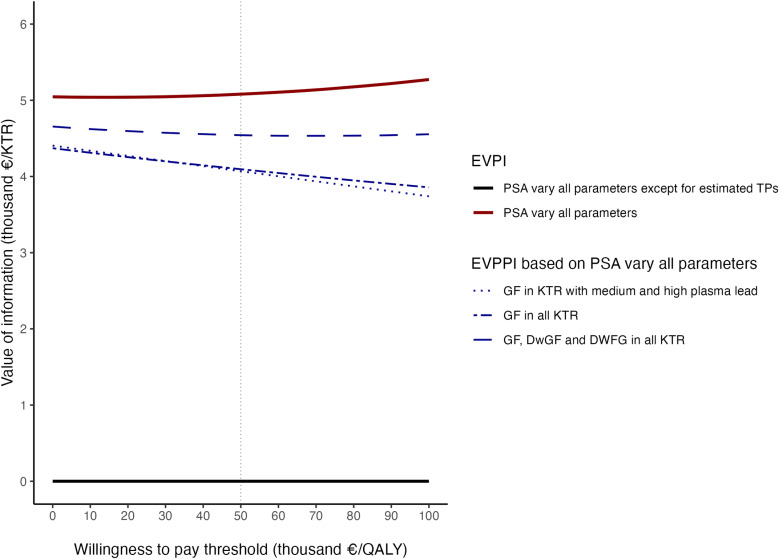 Figure 35
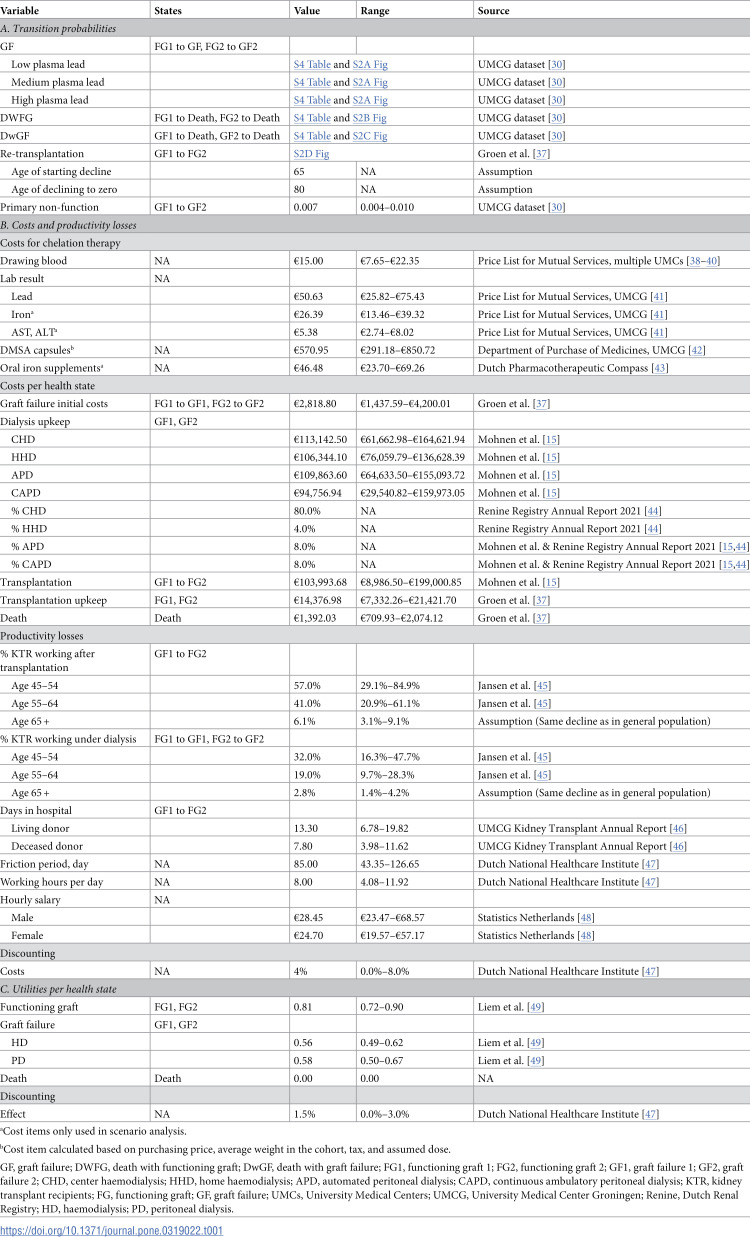 Figure 36
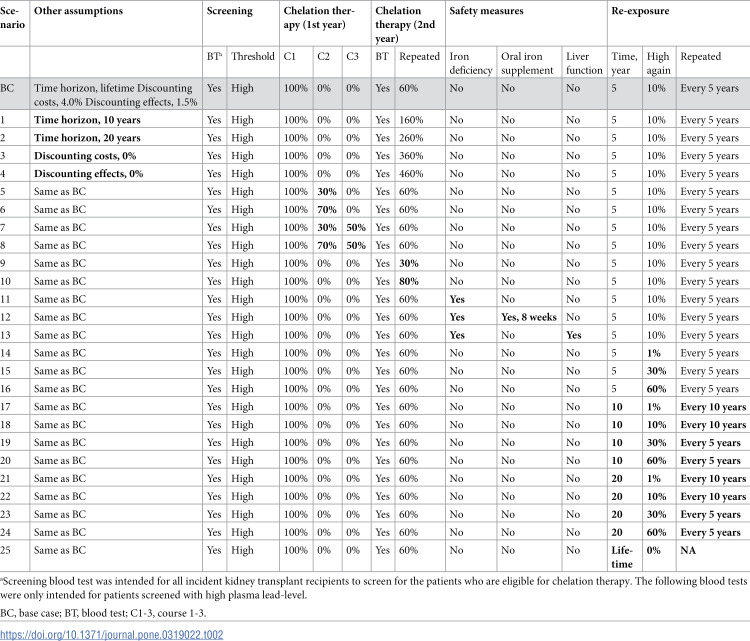 Figure 37
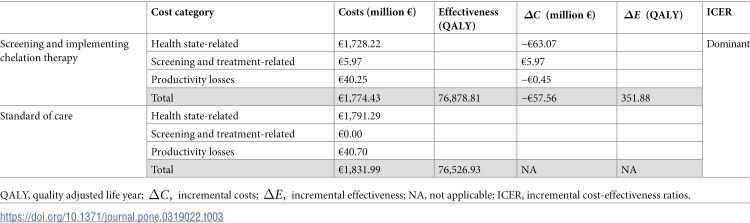 Figure 38
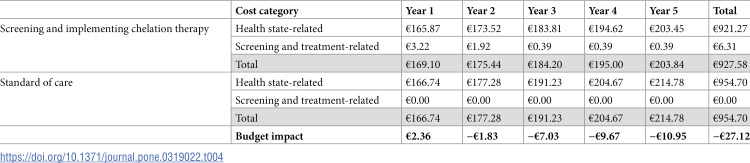 Figure 39
Peer Reviews
No public reviews on file for this paper yet. If you reviewed it on a platform where reviews are public (OpenReview, ICLR, NeurIPS, ICML), you can paste yours below so the community can read it here.
Videos
No videos yet. Explain this paper in a talk, walkthrough, or lecture? Add one.
Taxonomy
TopicsHeavy Metal Exposure and Toxicity · Trace Elements in Health · Pharmacological Effects and Toxicity Studies