Oscillating Evolution of a Mammalian Locus with Overlapping Reading Frames: An XLαs/ALEX Relay
Anton Nekrutenko, Samir Wadhawan, Paula Goetting-Minesky, Kateryna D Makova

TL;DR
This paper explores how two proteins from overlapping DNA sequences in mammals evolve together in a balanced way to maintain their function.
Contribution
The study reveals the first example of oscillating evolution in a locus with overlapping reading frames encoding interacting proteins.
Findings
The overlapping region of the XLαs/ALEX locus has high GC content and evolves rapidly.
The proteins evolve in an oscillating pattern to maintain functional interactions despite high mutation rates.
This mechanism may contribute to species-specific neurological differences.
Abstract
XLαs and ALEX are structurally unrelated mammalian proteins translated from alternative overlapping reading frames of a single transcript. Not only are they encoded by the same locus, but a specific XLαs/ALEX interaction is essential for G-protein signaling in neuroendocrine cells. A disruption of this interaction leads to abnormal human phenotypes, including mental retardation and growth deficiency. The region of overlap between the two reading frames evolves at a remarkable speed: the divergence between human and mouse ALEX polypeptides makes them virtually unalignable. To trace the evolution of this puzzling locus, we sequenced it in apes, Old World monkeys, and a New World monkey. We show that the overlap between the two reading frames and the physical interaction between the two proteins force the locus to evolve in an unprecedented way. Namely, to maintain two overlapping…
Genes, proteins, chemicals, diseases, species, mutations and cell lines named across the full text — each resolved to its canonical identifier and authoritative record.
Click any figure to enlarge with its caption.
 Figure 1
 Figure 2
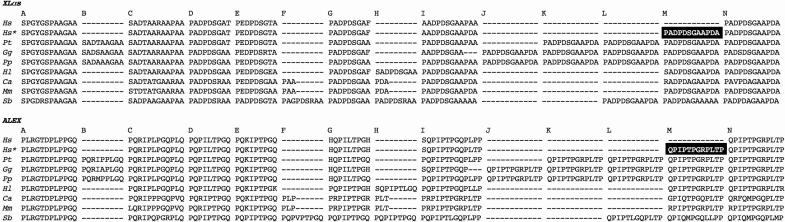 Figure 3
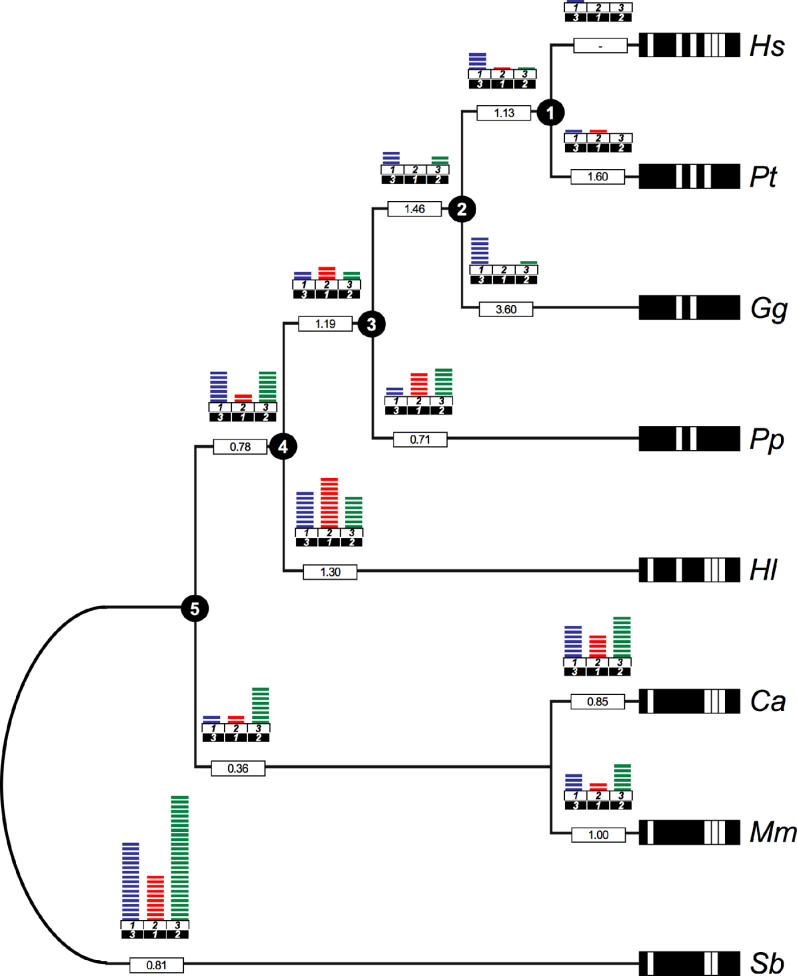 Figure 4
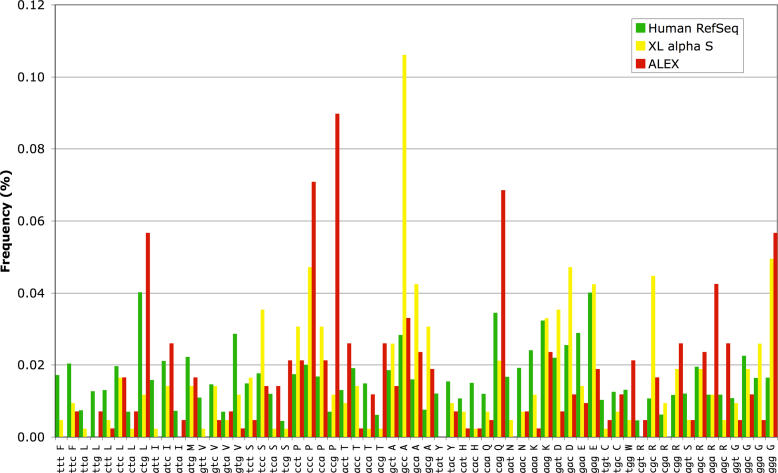 Figure 5
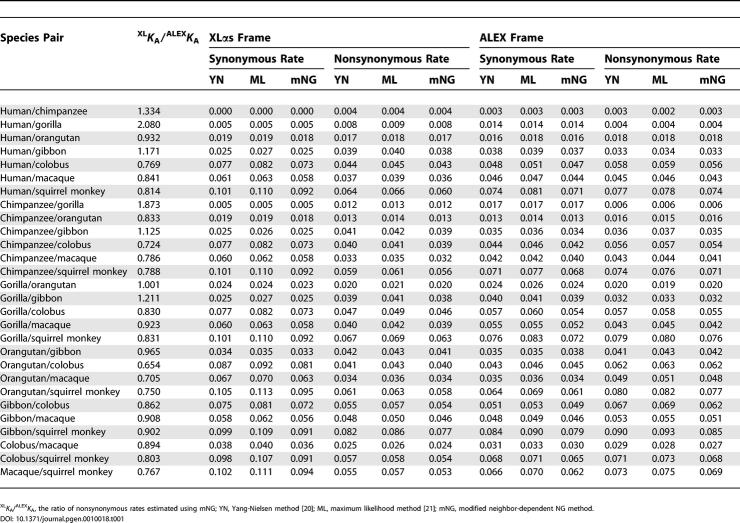 Figure 6
 Figure 7
 Figure 8
 Figure 9
 Figure 10
Peer Reviews
No public reviews on file for this paper yet. If you reviewed it on a platform where reviews are public (OpenReview, ICLR, NeurIPS, ICML), you can paste yours below so the community can read it here.
Videos
No videos yet. Explain this paper in a talk, walkthrough, or lecture? Add one.
Taxonomy
TopicsUrbanism, Landscape, and Tourism Studies