Haploid like spermatid generation by transplantation of neonatal mouse testicular tissue into the epididymal fat of castrated adult mouse
Hossein Eyni, Zohreh Mazaheri, Hooman SadriArdekani, Mansoureh Movahedin

TL;DR
This study shows that transplanting neonatal mouse testicular tissue into adult mice can support sperm cell development, offering hope for preserving fertility in cancer survivors.
Contribution
The study demonstrates that epididymal fat provides suitable conditions for spermatogenesis in grafted testicular tissue.
Findings
A gradient of germ cells, from spermatogonia to elongated spermatids, was observed in grafted tissues.
Meiotic and post-meiotic genes and proteins were upregulated in both fresh and frozen grafted groups.
No significant differences in apoptosis, necrosis, or hormone levels were found between grafted and control groups.
Abstract
Many cancer survivors may experience irreversible infertility due to chemotherapy treatment for childhood cancer. In this study, spermatogenesis development was evaluated following the grafting of fresh and frozen-thawed testicular tissue from neonatal mice to the epididymal fat of adult mice. After bilateral castration of recipient mice, fresh or frozen-thawed neonatal testis tissues were grafted into the epididymal fat of the mice. Grafted testicular tissue was evaluated eight weeks after implantation using H&E staining, real-time PCR, immunofluorescence staining, and TUNEL assay. Blood was drawn from recipient mice to determine testosterone, FSH, and LH levels. A gradient of different types of germ cells, from spermatogonia to elongated spermatids was observed. The upregulation of meiotic and post-meiotic genes and proteins in fresh and frozen grafted groups confirmed the…
Genes, proteins, chemicals, diseases, species, mutations and cell lines named across the full text — each resolved to its canonical identifier and authoritative record.
Click any figure to enlarge with its caption.
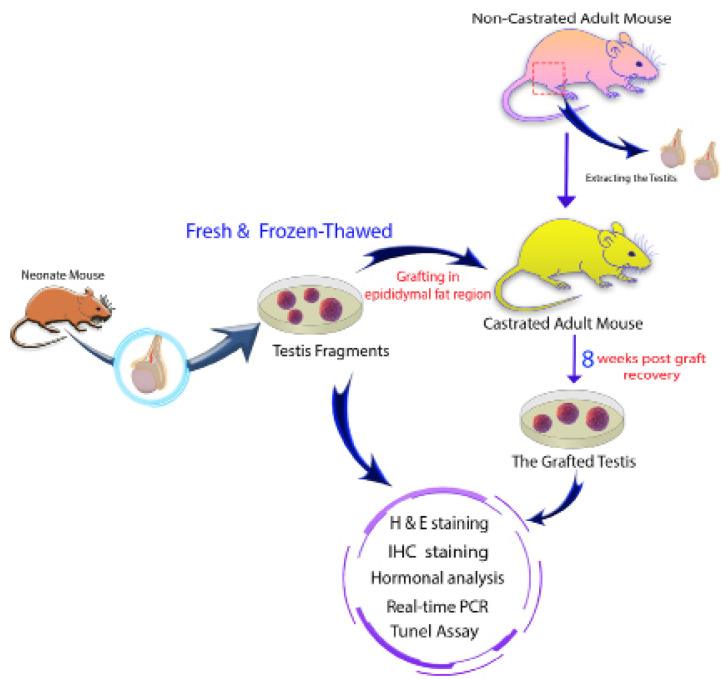 Figure 1
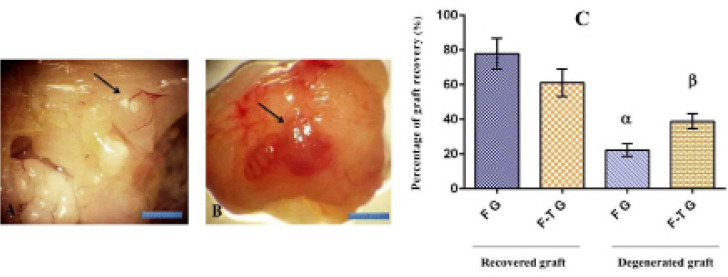 Figure 2
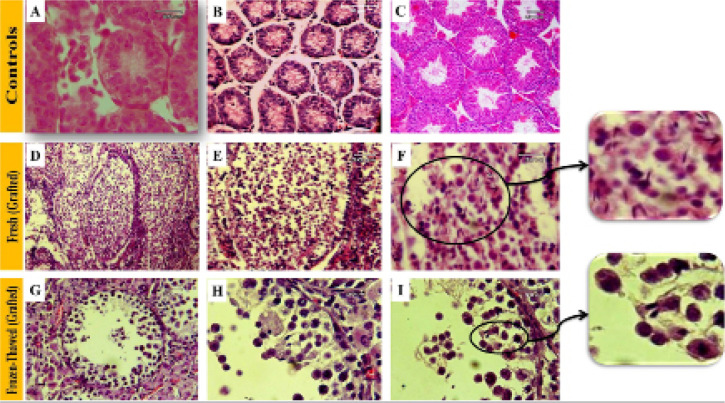 Figure 3
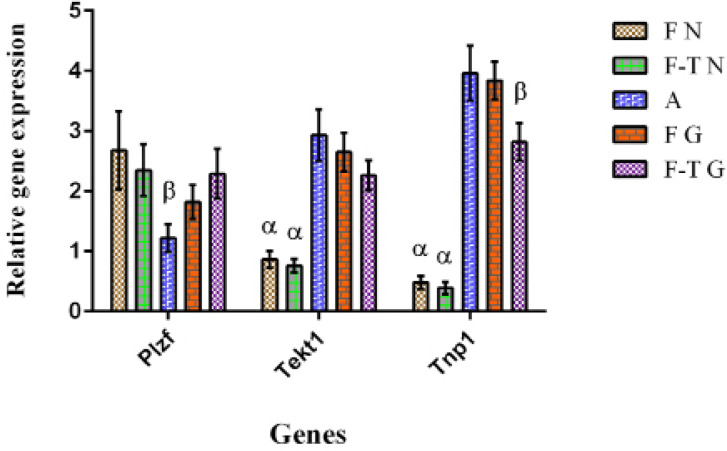 Figure 4
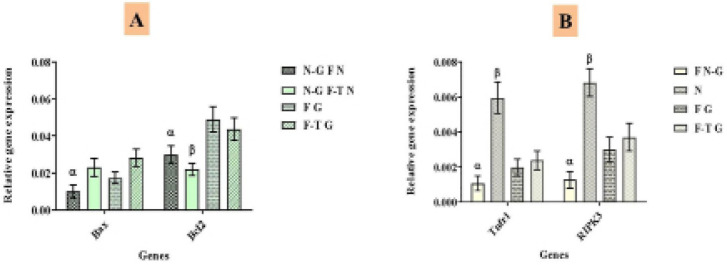 Figure 5
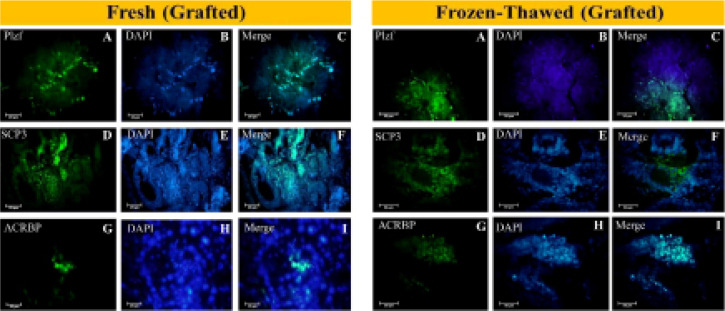 Figure 6
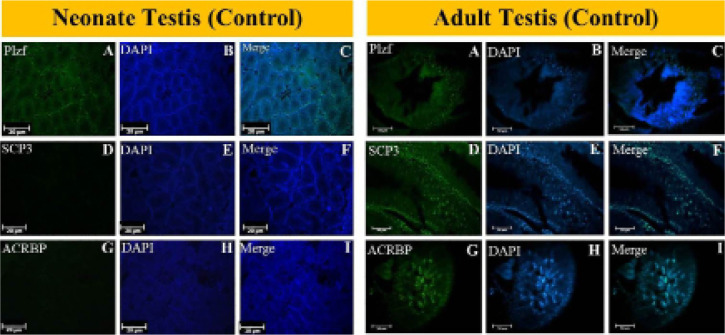 Figure 7
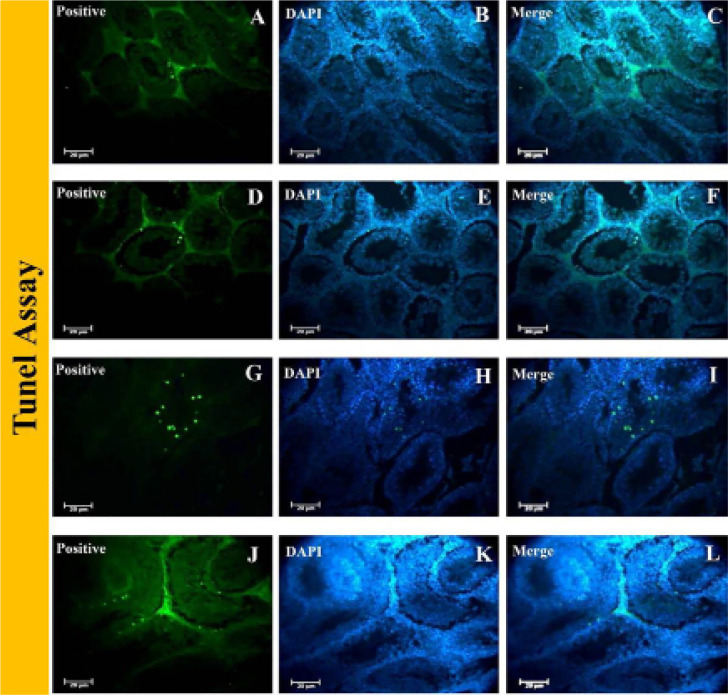 Figure 8
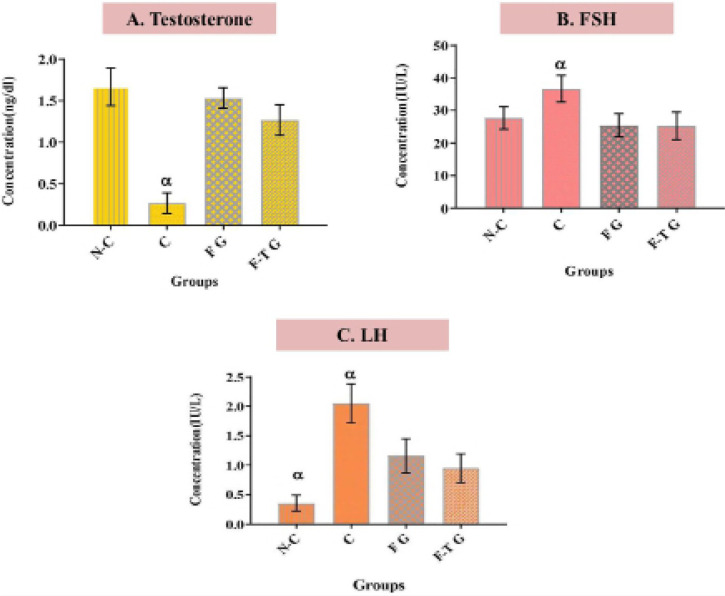 Figure 9
Peer Reviews
No public reviews on file for this paper yet. If you reviewed it on a platform where reviews are public (OpenReview, ICLR, NeurIPS, ICML), you can paste yours below so the community can read it here.
Videos
No videos yet. Explain this paper in a talk, walkthrough, or lecture? Add one.
Taxonomy
TopicsSperm and Testicular Function · Reproductive Biology and Fertility · Xenotransplantation and immune response