Disrupting the network of co-evolving amino terminal domain residues relieves mitochondrial calcium uptake inhibition by MCUb
Danielle M. Colussi, Ryan Grainger, Megan Noble, Taylor Lake, Murray Junop, Peter B. Stathopulos

TL;DR
This study reveals how specific amino acid interactions in mitochondrial calcium channels control calcium uptake, offering new insights into cellular energy regulation.
Contribution
The study identifies distinct calcium-binding sites in MCU and MCUb NTDs and shows how disrupting co-evolving residues enhances mitochondrial calcium uptake.
Findings
MCU-NTD and MCUb-NTD have distinct Ca2+ binding sites that regulate mtCU inhibition.
Disrupting co-evolving residues in MCUb-NTD enhances mitochondrial Ca2+ uptake.
MCU-NTD is more stable at high temperatures compared to MCUb-NTD.
Abstract
The regulatory mechanisms of the mitochondrial calcium uniporter complex (mtCU), the predominant channel mediating calcium (Ca2+) flux into the matrix, are critical for bioenergetics and cell fate. The pore-forming components of mtCU are the mitochondrial Ca2+ uniporter (MCU) subunit and the MCU dominant-negative beta (MCUb) subunit. Despite both MCU paralogs having conserved Asp-Ile-Met-Glu motifs responsible for Ca2+ selectivity, MCUb mediates only low Ca2+ conduction and has been characterized as an inhibitory subunit. We previously identified the MCU amino-terminal domain (NTD) as a negative feedback regulator of mtCU upon divalent cation binding but the role of the MCUb-NTD remains unknown. Thus, to gain mechanistic insight into the competing MCU and MCUb functions, we here studied the divalent cation binding properties of the MCU- and MCUb-NTDs that tightly interact within and…
Genes, proteins, chemicals, diseases, species, mutations and cell lines named across the full text — each resolved to its canonical identifier and authoritative record.
Click any figure to enlarge with its caption.
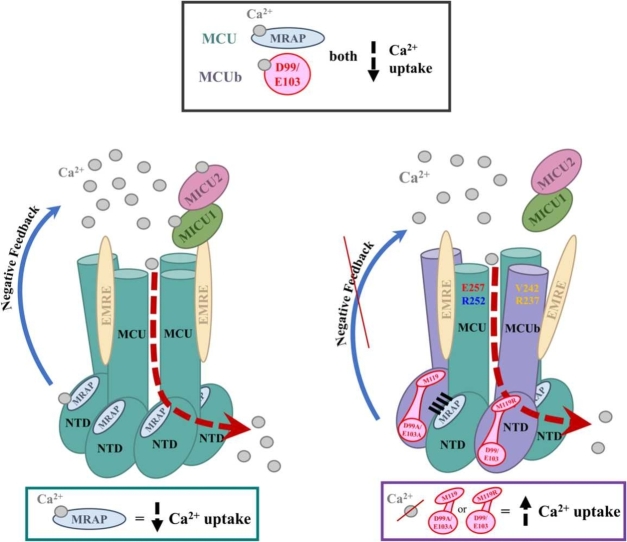 Figure 1
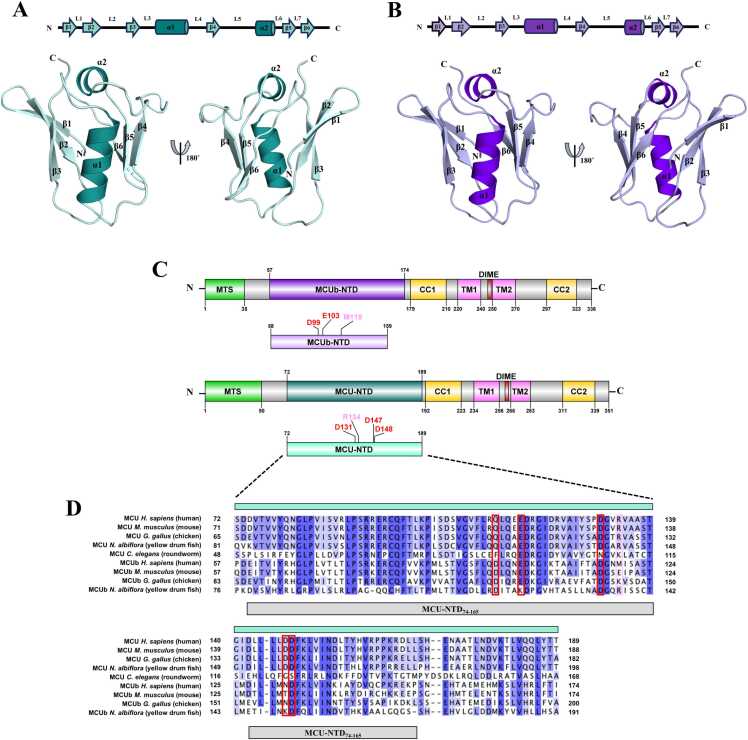 Figure 2
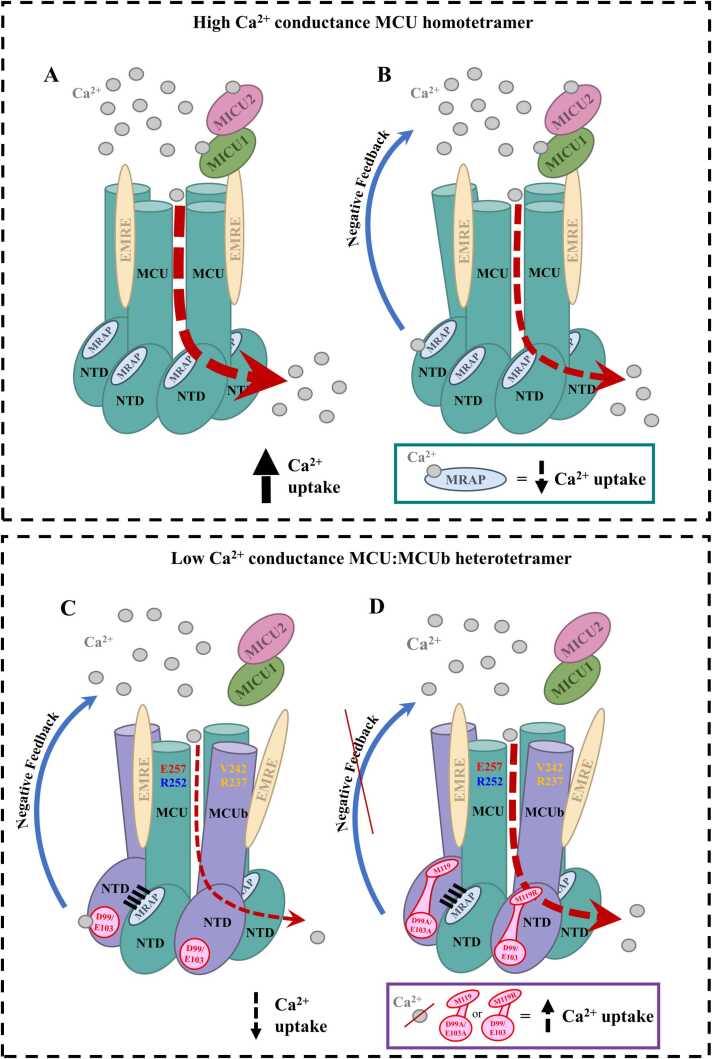 Figure 3
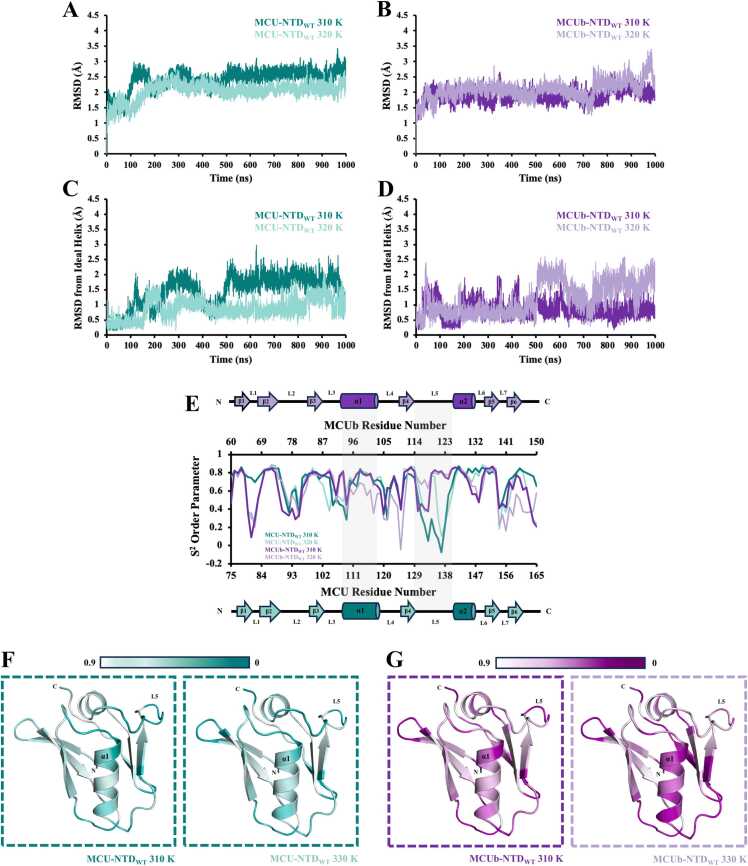 Figure 4
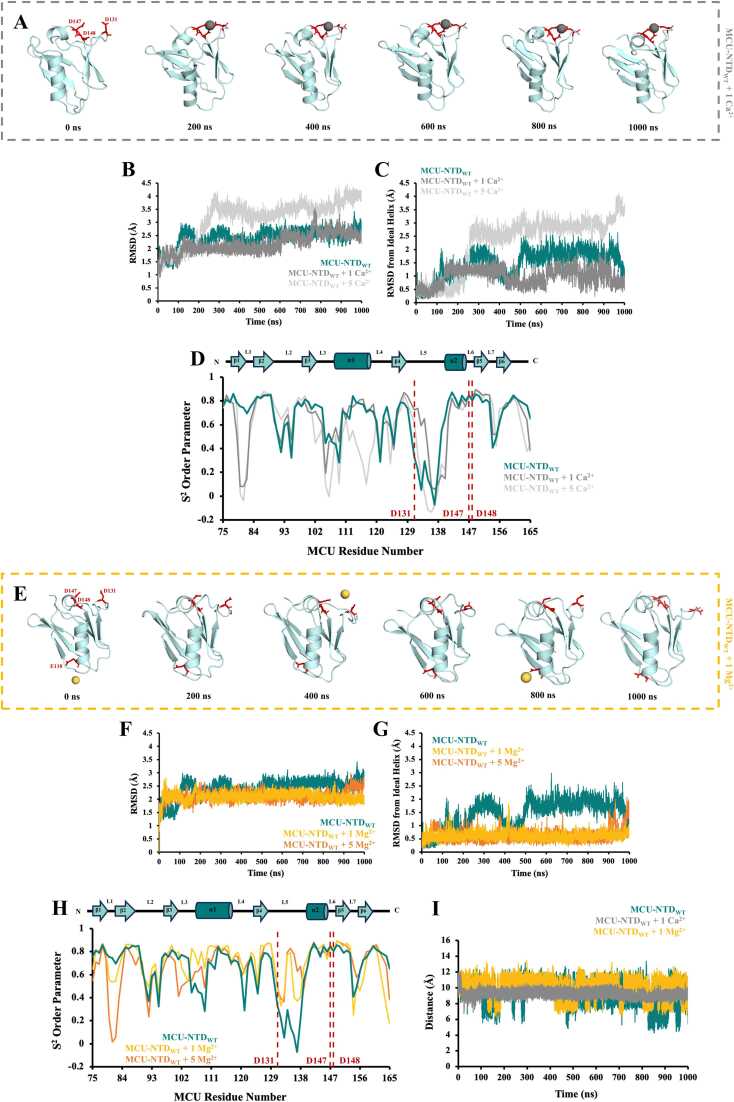 Figure 5
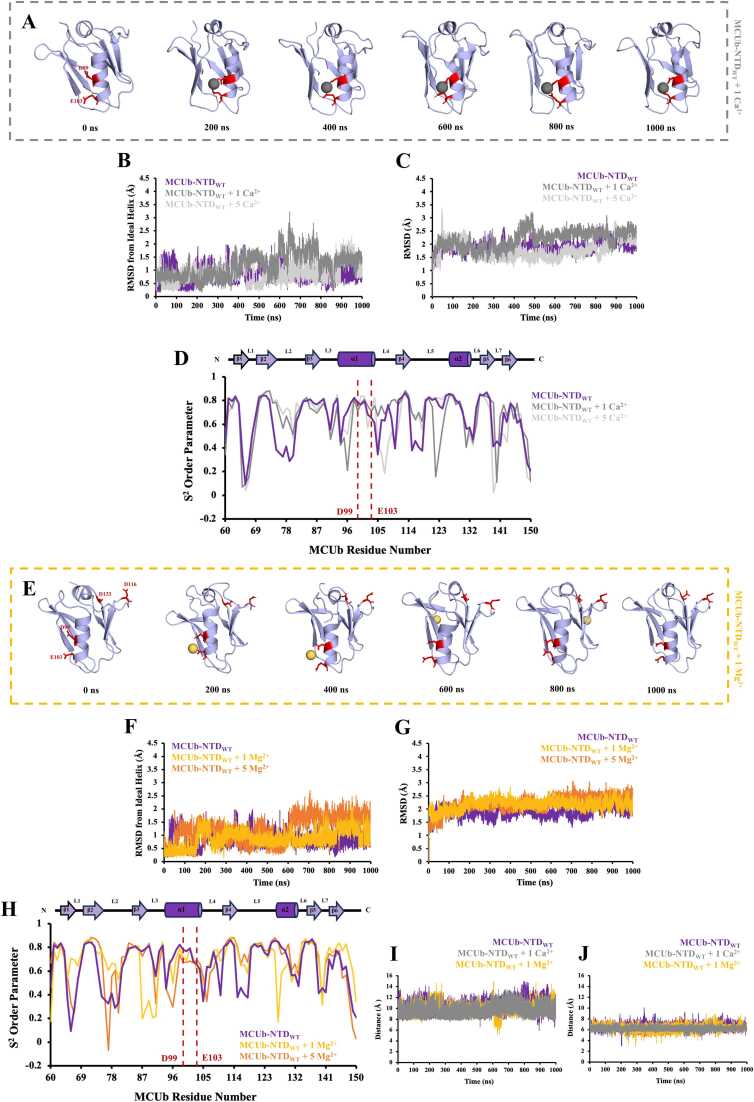 Figure 6
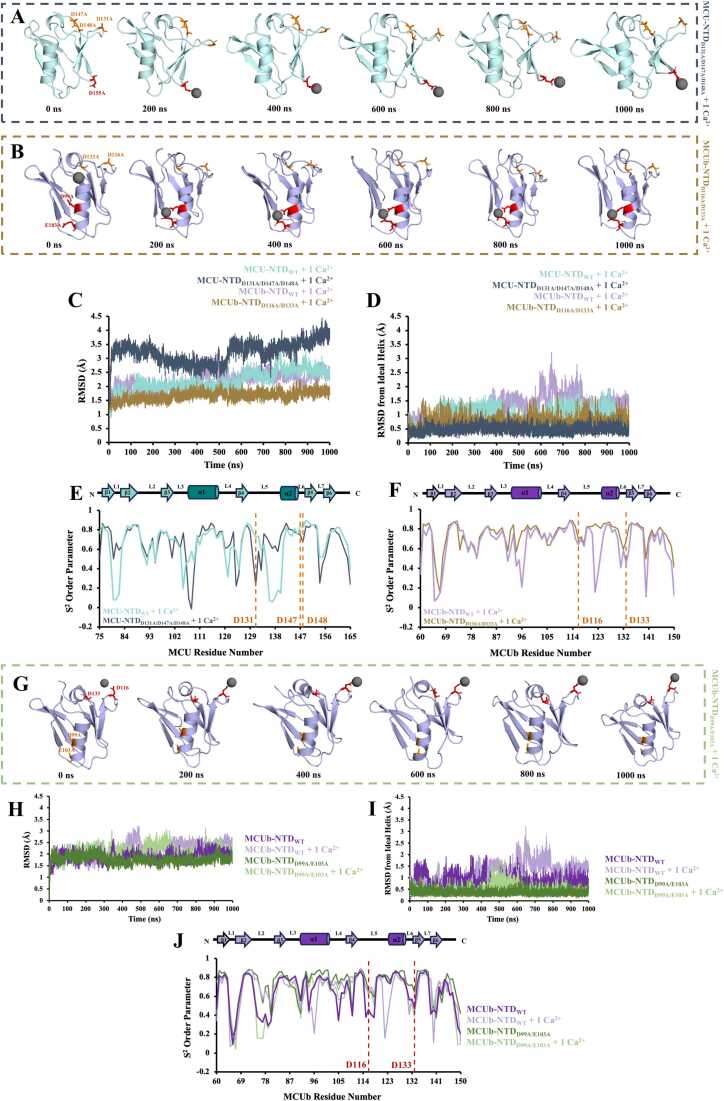 Figure 7
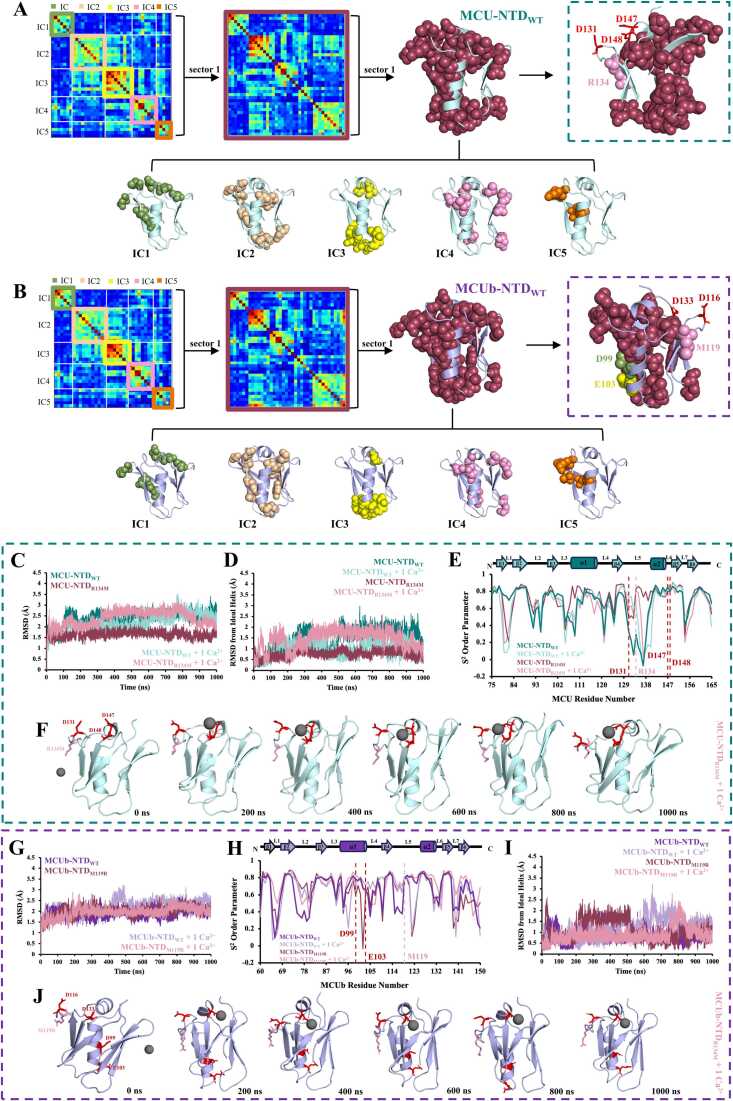 Figure 8
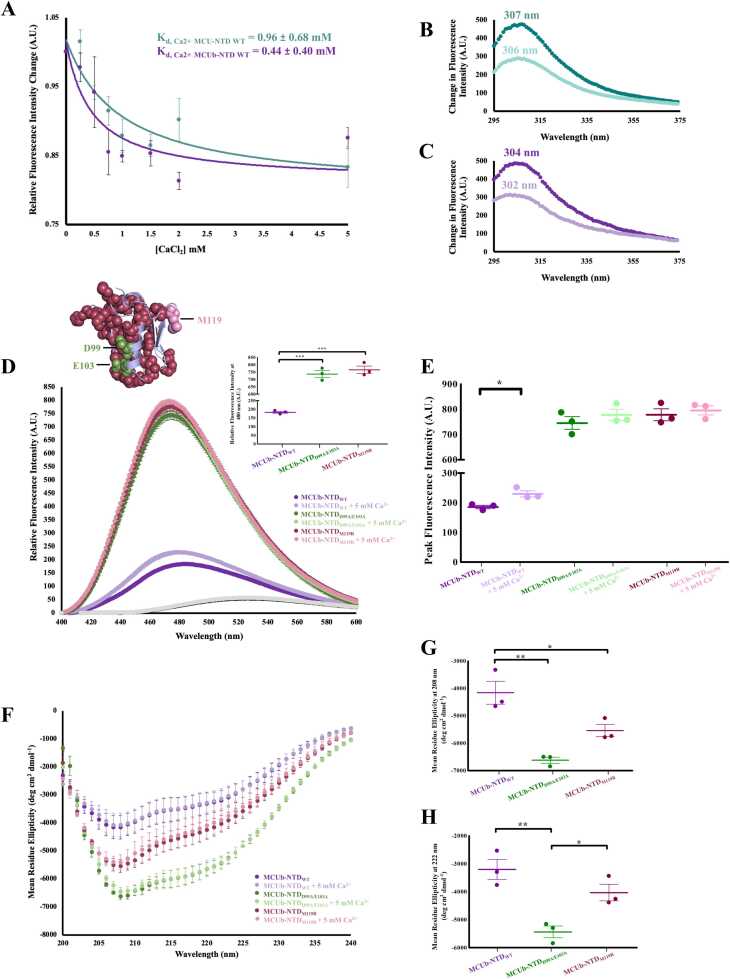 Figure 9
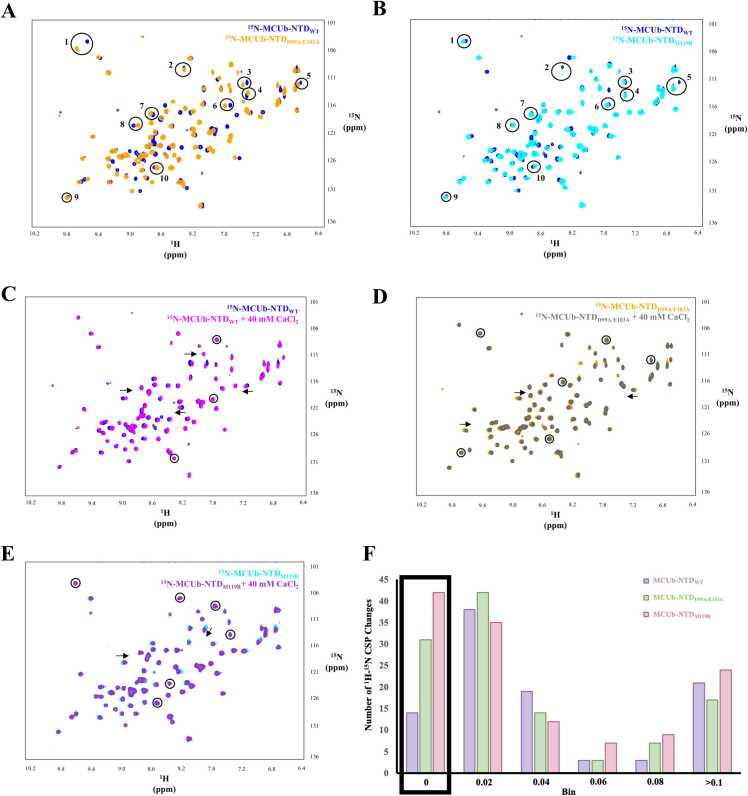 Figure 10
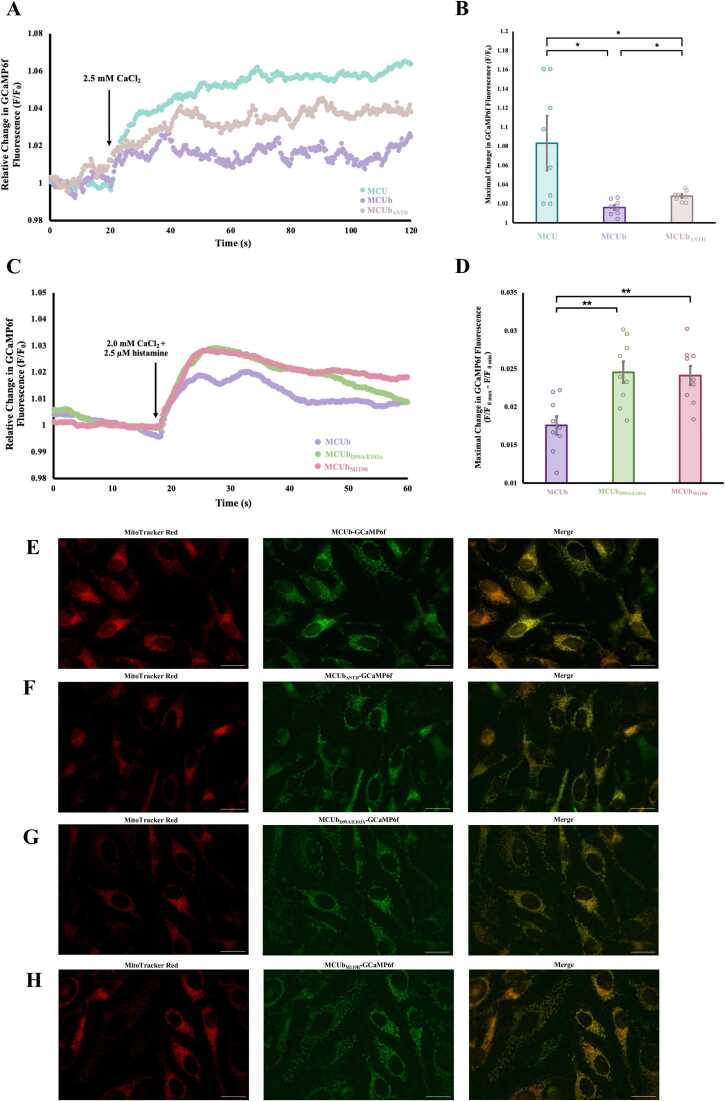 Figure 11
Peer Reviews
No public reviews on file for this paper yet. If you reviewed it on a platform where reviews are public (OpenReview, ICLR, NeurIPS, ICML), you can paste yours below so the community can read it here.
Videos
No videos yet. Explain this paper in a talk, walkthrough, or lecture? Add one.
Taxonomy
TopicsMitochondrial Function and Pathology · ATP Synthase and ATPases Research · Metabolism and Genetic Disorders