Cross-cultural adaptation, reliability and validity of the Turkish version of the stroke exercise preference inventory
Halime Arıkan, Meral Sertel

TL;DR
This study adapts and validates a Turkish version of a tool to assess stroke patients' exercise preferences, showing it is reliable and valid for use in rehabilitation.
Contribution
The Turkish version of the Stroke Exercise Preference Inventory is newly developed and validated for stroke patients.
Findings
The Turkish SEPI-13 demonstrated high internal consistency with a Cronbach’s α of 0.931.
A 3-factor structure explained 69.029% of the total variance, supported by confirmatory factor analysis.
The SEPI-13 showed strong convergent validity with EBBS and BREQ-2, and weak divergent validity with SSQoLS and FAI.
Abstract
While studies on version adaptation, validity, and reliability are common, no tools exist in Turkish literature to assess exercise preferences in stroke patients. This research aimed to translate the Stroke Exercise Preference Inventory (SEPI) into Turkish and evaluate its validity and reliability in stroke patients. Ninety stroke patients completed the SEPI, Exercise Benefits/ Barriers Scale (EBBS), Behavioral Regulation in Exercise Questionnaire (BREQ-2), Stroke-Specific Quality of Life Scale (SSQoLS), and Frenchay Activities Index (FAI). The SEPI was translated into Turkish using a standard forward-backward translation process. Psychometric properties such as structural and construct validity, test–retest reliability, and internal consistency were assessed. Reliability analysis demonstrated high internal consistency for SEPI-13, with Cronbach’s α values of 0.931. Validity testing…
Genes, proteins, chemicals, diseases, species, mutations and cell lines named across the full text — each resolved to its canonical identifier and authoritative record.
Click any figure to enlarge with its caption.
 Figure 1
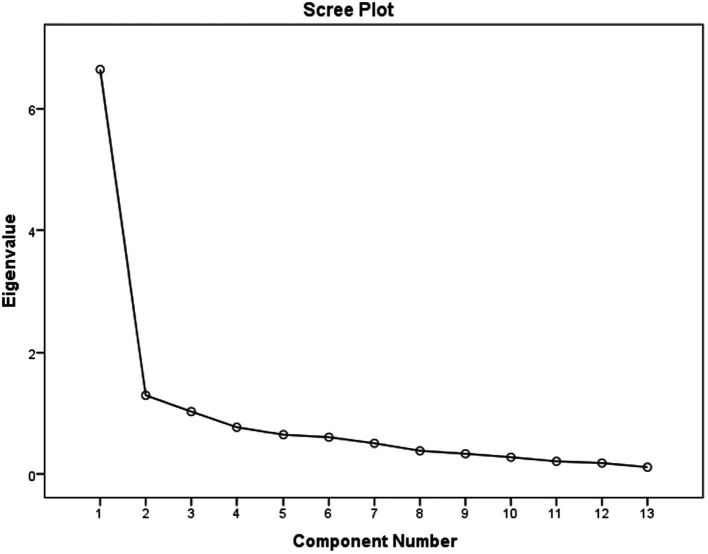 Figure 2
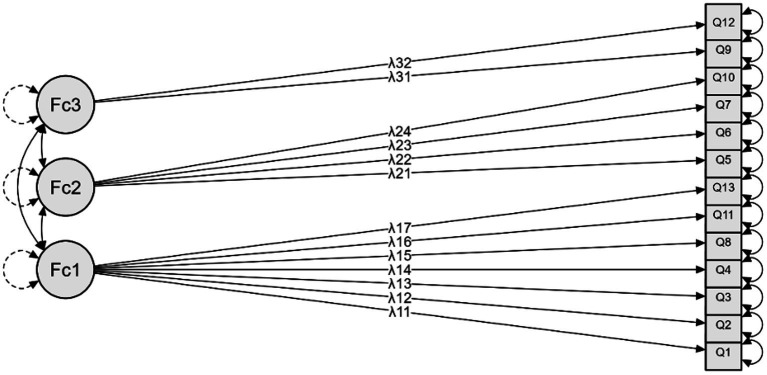 Figure 3
Peer Reviews
No public reviews on file for this paper yet. If you reviewed it on a platform where reviews are public (OpenReview, ICLR, NeurIPS, ICML), you can paste yours below so the community can read it here.
Videos
No videos yet. Explain this paper in a talk, walkthrough, or lecture? Add one.
Taxonomy
TopicsStroke Rehabilitation and Recovery · Acute Ischemic Stroke Management · Balance, Gait, and Falls Prevention