Injecting structure-aware insights for the learning of RNA sequence representations to identify m6A modification sites
Yue Yu, Shuang Xiang, Minghao Wu

TL;DR
This paper introduces M6A-SAI, a new method that improves the identification of RNA m6A modification sites by incorporating structural insights into deep learning models.
Contribution
The novel contribution is integrating structure-aware insights into RNA sequence representation learning using a transformer-based framework and graph optimization techniques.
Findings
M6A-SAI enhances m6A modification site identification by incorporating structural information into sequence representations.
The method uses a similarity graph and structure-aware optimization block to refine RNA sequence correlations.
Experimental results show M6A-SAI outperforms traditional methods in identifying m6A modification sites.
Abstract
N6-methyladenosine (m6A) represents one of the most prevalent methylation modifications in eukaryotes and it is crucial to accurately identify its modification sites on RNA sequences. Traditional machine learning based approaches to m6A modification site identification primarily focus on RNA sequence data but often incorporate additional biological domain knowledge and rely on manually crafted features. These methods typically overlook the structural insights inherent in RNA sequences. To address this limitation, we propose M6A-SAI, an advanced predictor for RNA m6A modifications. M6A-SAI leverages a transformer-based deep learning framework to integrate structure-aware insights into sequence representation learning, thereby enhancing the precision of m6A modification site identification. The core innovation of M6A-SAI lies in its ability to incorporate structural information through a…
Genes, proteins, chemicals, diseases, species, mutations and cell lines named across the full text — each resolved to its canonical identifier and authoritative record.
Click any figure to enlarge with its caption.
 Figure 1
 Figure 2
 Figure 3
 Figure 4
 Figure 5
 Figure 6
 Figure 7
 Figure 8
 Figure 9
 Figure 10
 Figure 11
 Figure 12
 Figure 13
 Figure 14
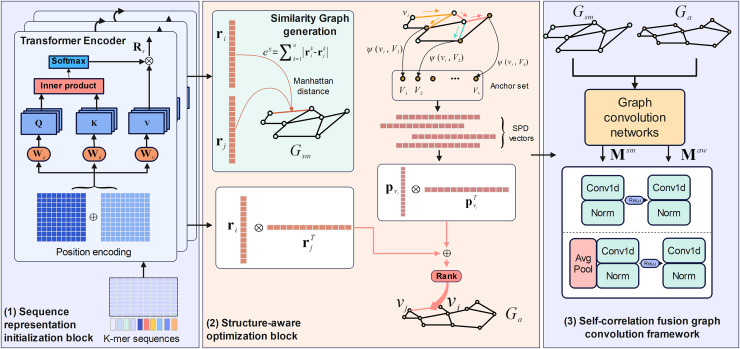 Figure 15
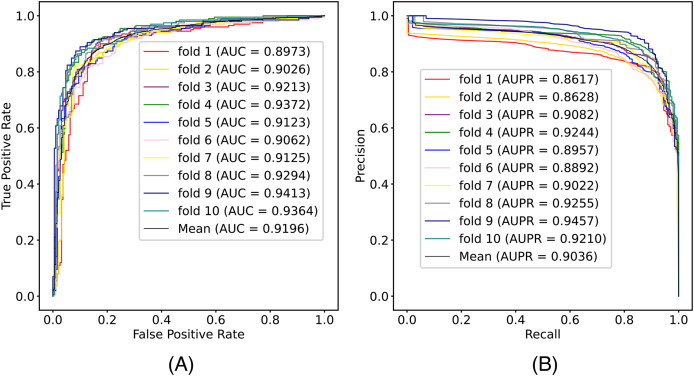 Figure 16
 Figure 17
 Figure 18
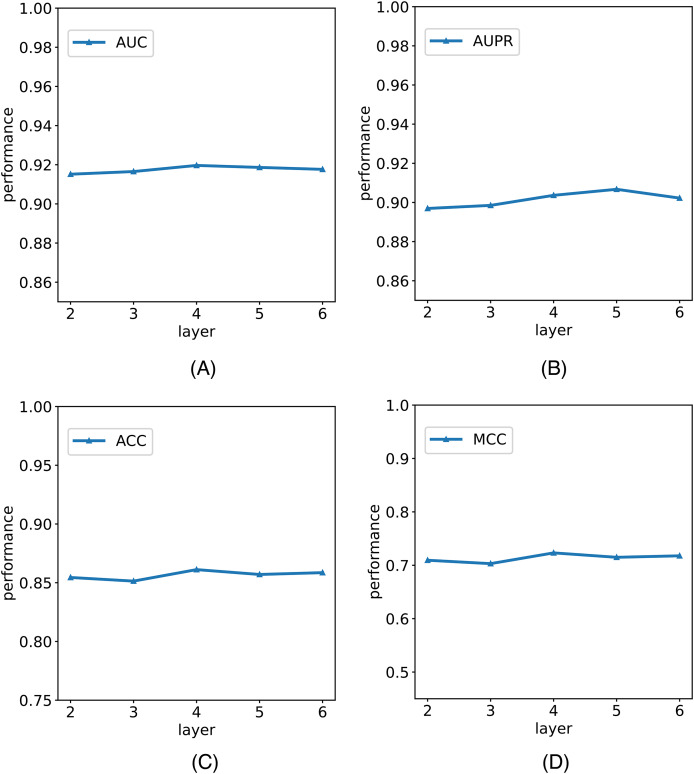 Figure 19
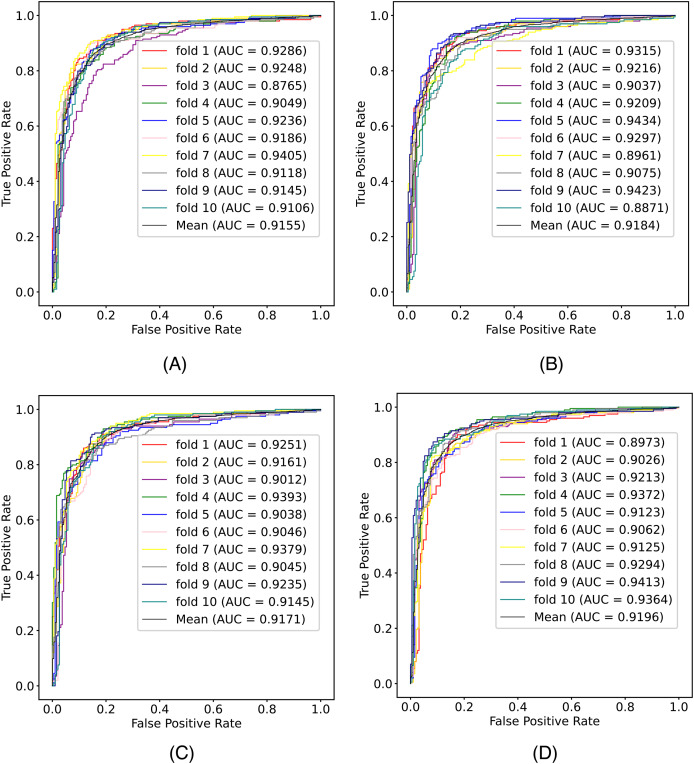 Figure 20
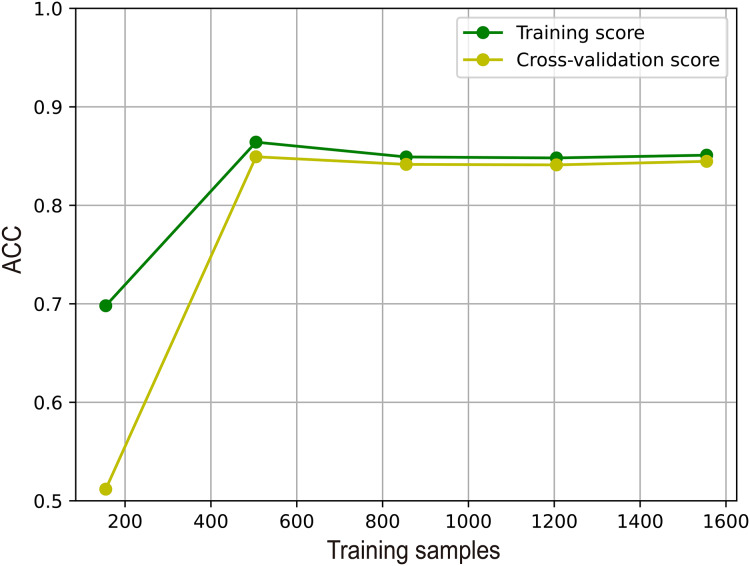 Figure 21
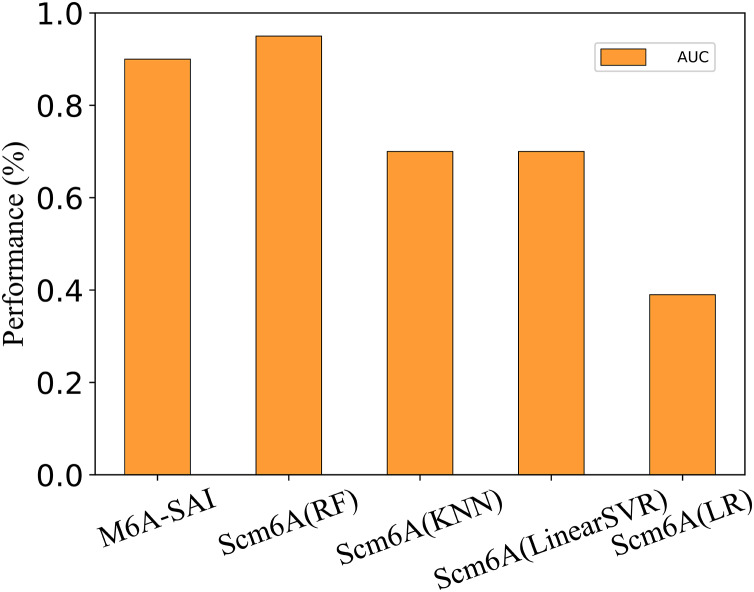 Figure 22
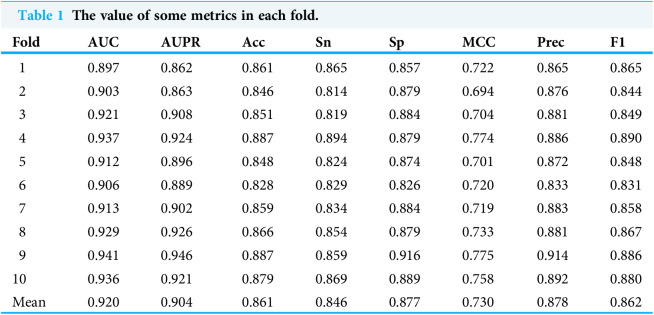 Figure 23
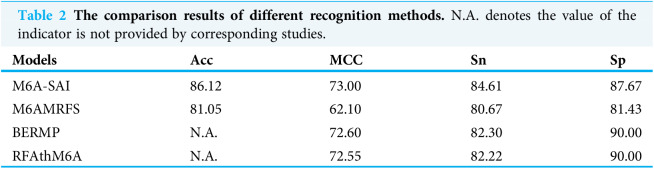 Figure 24
 Figure 25
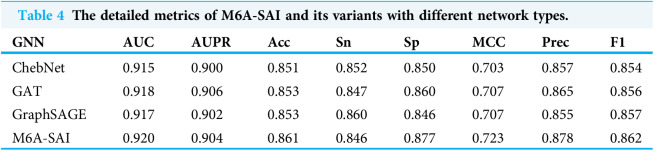 Figure 26
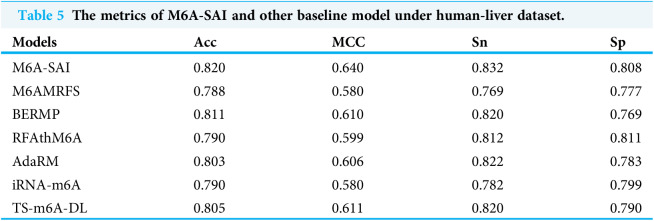 Figure 27
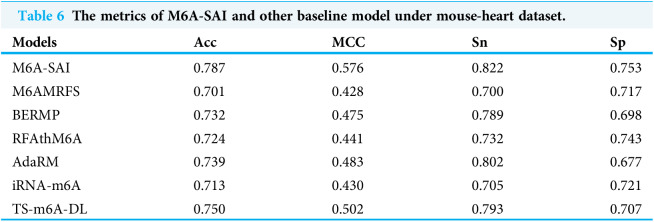 Figure 28
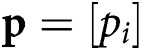 Figure 29
 Figure 30
 Figure 31
 Figure 32
 Figure 33
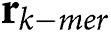 Figure 34
 Figure 35
 Figure 36
 Figure 37
 Figure 38
 Figure 39
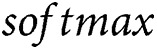 Figure 40
 Figure 41
 Figure 42
 Figure 43
 Figure 44
 Figure 45
 Figure 46
 Figure 47
 Figure 48
 Figure 49
 Figure 50
Peer Reviews
No public reviews on file for this paper yet. If you reviewed it on a platform where reviews are public (OpenReview, ICLR, NeurIPS, ICML), you can paste yours below so the community can read it here.
Videos
No videos yet. Explain this paper in a talk, walkthrough, or lecture? Add one.
Taxonomy
TopicsRNA modifications and cancer · RNA and protein synthesis mechanisms · Genomics and Phylogenetic Studies