Maximum Entropy-Mediated Liquid-to-Solid Nucleation and Transition
Lars Dammann, Richard Kohns, Patrick Huber, Robert H. Meißner

TL;DR
This paper introduces a new algorithm that uses maximum entropy to adjust molecular dynamics simulations, enabling better modeling of liquid-to-solid transitions and improving atomic structure predictions.
Contribution
A novel algorithm that biases molecular dynamics simulations using radial distribution functions under maximum entropy principles to guide nucleation and transitions.
Findings
The algorithm successfully adjusts the radial distribution function of liquid models to match target models.
It can initiate crystallization in liquids, forming stable and metastable crystalline states.
The method is useful for improving interaction models and interpreting experimental data.
Abstract
Molecular dynamics (MD) simulations are a powerful tool for studying matter at the atomic scale. However, to simulate solids, an initial atomic structure is crucial for the successful execution of MD simulations but can be difficult to prepare due to insufficient atomistic information. At the same time, wide-angle X-ray scattering (WAXS) measurements can determine the radial distribution function (RDF) of atomic structures. However, the interpretation of RDFs is often challenging. Here, we present an algorithm that can bias MD simulations with RDFs by combining the information on the MD atomic interaction potential and the RDF under the principle of maximum relative entropy. We show that this algorithm can be used to adjust the RDF of one liquid model, e.g., the TIP3P water model, to reproduce the RDF and improve the angular distribution function (ADF) of another model, such as the…
Click any figure to enlarge with its caption.
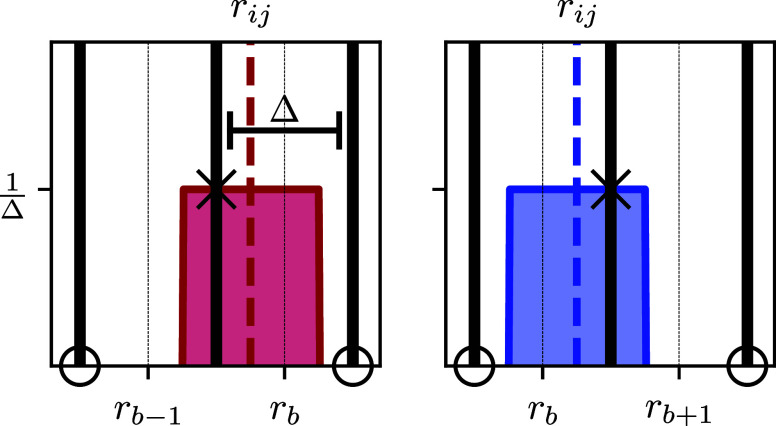 Figure 1
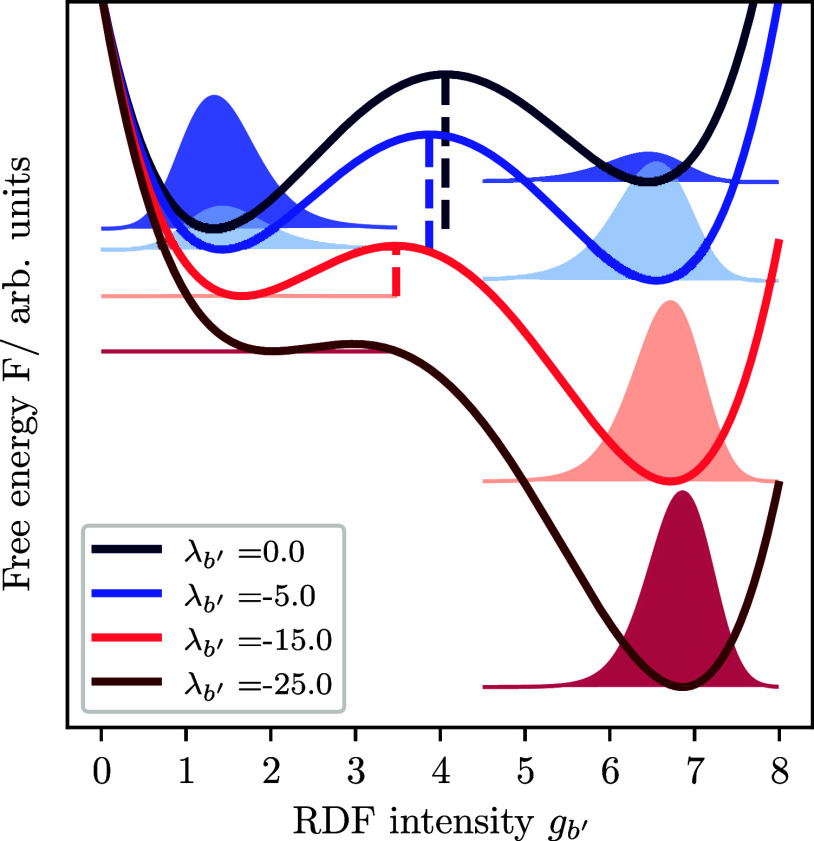 Figure 2
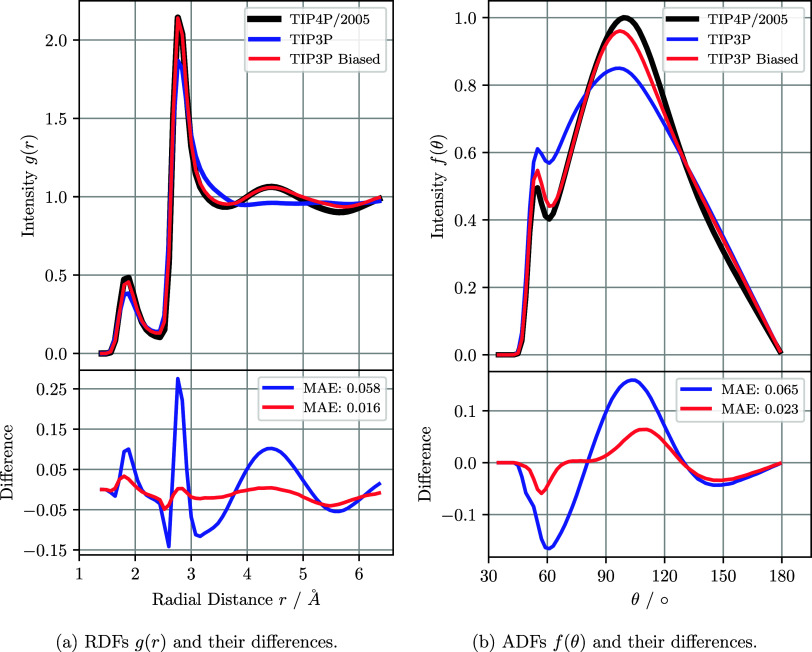 Figure 3
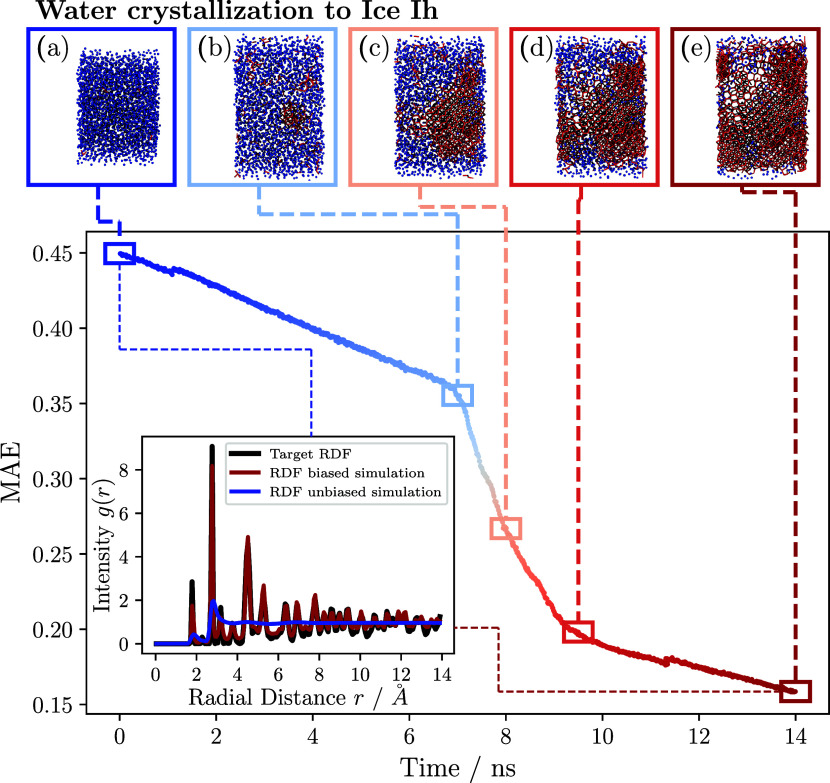 Figure 4
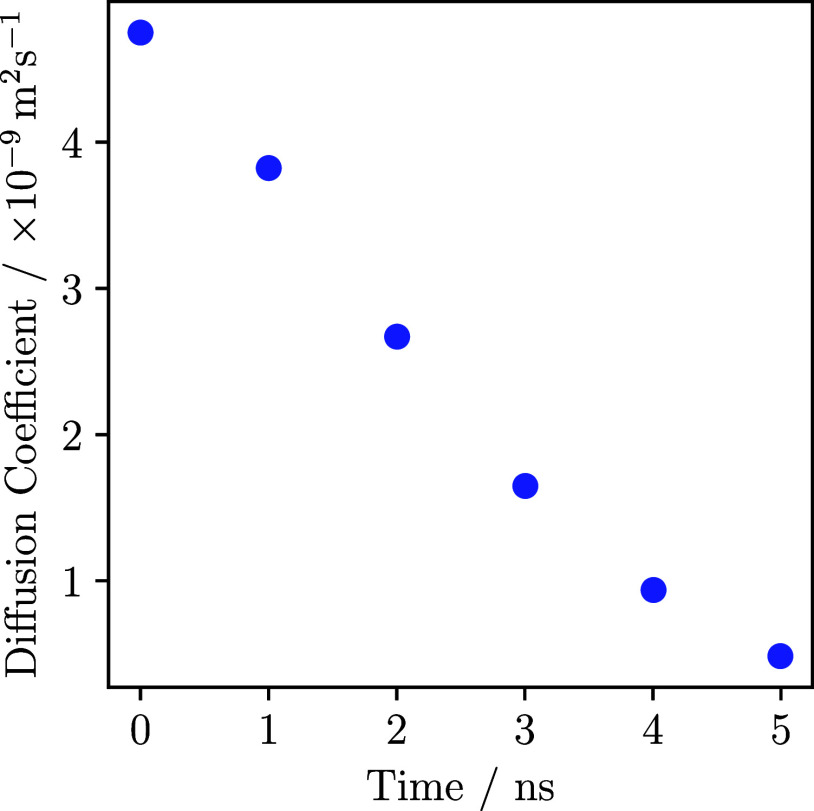 Figure 5
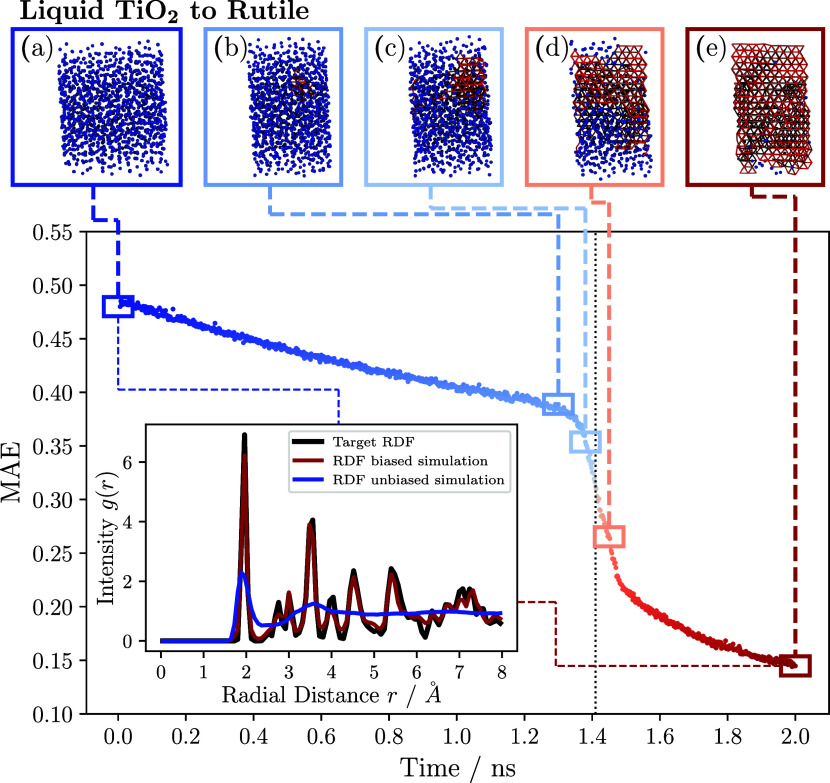 Figure 6
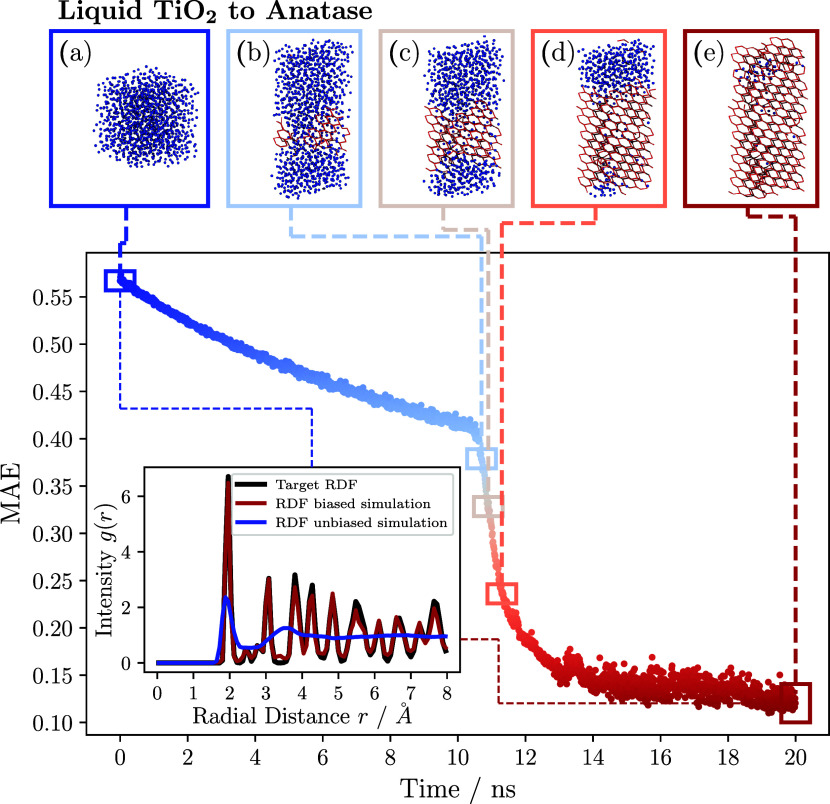 Figure 7
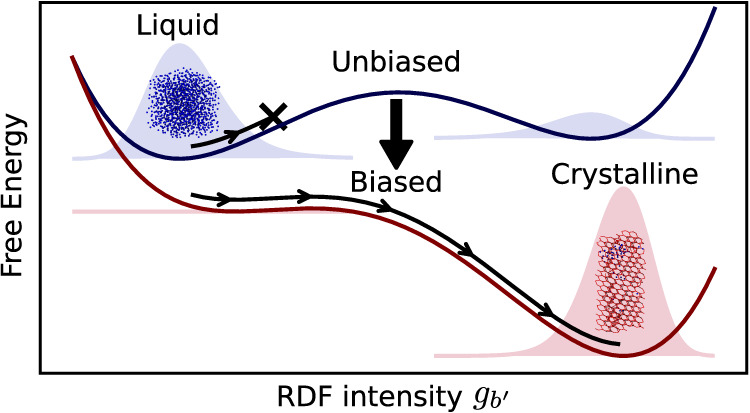 Figure 8
 Figure 9
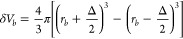 Figure 10
 Figure 11
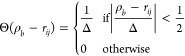 Figure 12
 Figure 13
 Figure 14
 Figure 15
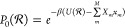 Figure 16
 Figure 17
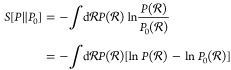 Figure 18
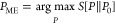 Figure 19
 Figure 20
 Figure 21
 Figure 22
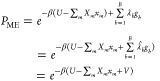 Figure 23
 Figure 24
 Figure 25
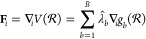 Figure 26
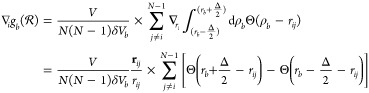 Figure 27
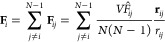 Figure 28
 Figure 29
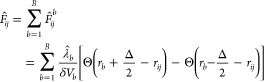 Figure 30
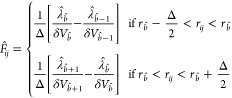 Figure 31
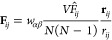 Figure 32
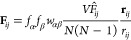 Figure 33
 Figure 34
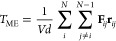 Figure 35
 Figure 36
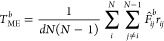 Figure 37
 Figure 38
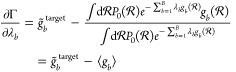 Figure 39
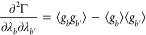 Figure 40
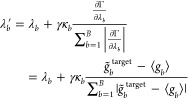 Figure 41
 Figure 42
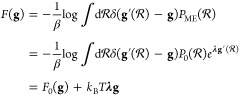 Figure 43
Peer Reviews
No public reviews on file for this paper yet. If you reviewed it on a platform where reviews are public (OpenReview, ICLR, NeurIPS, ICML), you can paste yours below so the community can read it here.
Videos
No videos yet. Explain this paper in a talk, walkthrough, or lecture? Add one.
Taxonomy
TopicsMaterial Dynamics and Properties · nanoparticles nucleation surface interactions · Phase Equilibria and Thermodynamics