Pseudobulbar Affect Among Patients With Dementia
Lily Charron, Eduardo D Espiridion

TL;DR
This study explores pseudobulbar affect, a mood disorder involving uncontrolled crying or laughter, in patients with dementia, highlighting its under-researched nature and common comorbidities.
Contribution
The study identifies and describes a cohort of dementia patients with pseudobulbar affect using the TriNetX database, laying groundwork for future research.
Findings
Seventy-three percent of the cohort had postconcussion syndrome.
Many patients had comorbid psychiatric disorders like anxiety and depression.
Abstract
Objective: Dementia is a neurocognitive disorder characterized by memory loss and deficits in multiple cognitive domains, caused by damage to or loss of neurons in the brain, which impairs one’s abilities and capabilities for independent daily living. The etiologies of dementia are diverse, including vascular, infectious, traumatic, and neurodegenerative causes. The most common types of dementia include Alzheimer’s dementia, vascular dementia, Lewy body dementia, and frontotemporal dementia. Patients with dementia frequently develop cognitive, psycho-behavioral, emotional, and mood symptoms. One largely unstudied mood symptom seen in dementia patients is pseudobulbar affect (PBA). PBA is a state of emotional incontinence characterized by episodes of uncontrolled crying or laughter that are inconsistent with the social context or the patient’s emotional state. Although many neurological…
Genes, proteins, chemicals, diseases, species, mutations and cell lines named across the full text — each resolved to its canonical identifier and authoritative record.
Click any figure to enlarge with its caption.
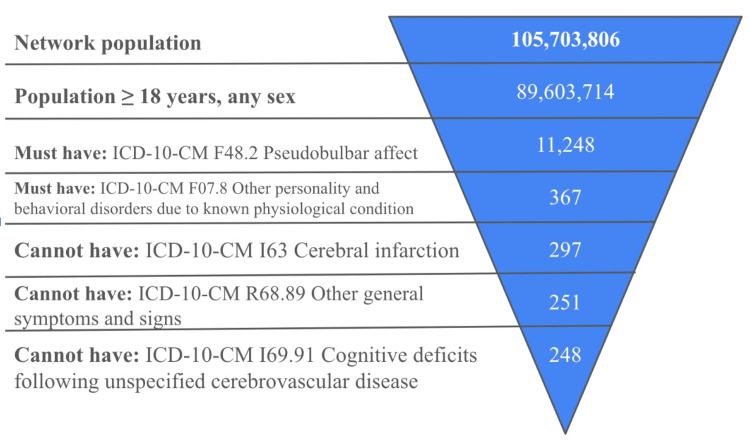 Figure 1
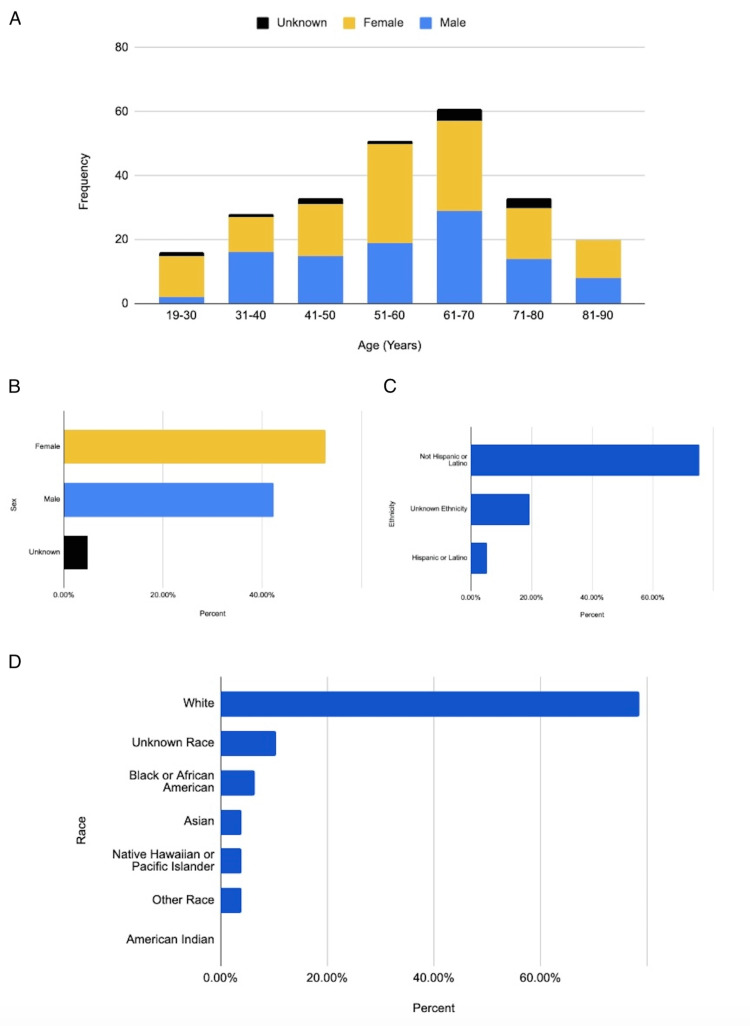 Figure 2
Peer Reviews
No public reviews on file for this paper yet. If you reviewed it on a platform where reviews are public (OpenReview, ICLR, NeurIPS, ICML), you can paste yours below so the community can read it here.
Videos
No videos yet. Explain this paper in a talk, walkthrough, or lecture? Add one.
Taxonomy
TopicsCardiovascular Syncope and Autonomic Disorders · Acute Ischemic Stroke Management · Spatial Neglect and Hemispheric Dysfunction