Radially Aligned Carbon Nanotube Glass Fiber Composites as Ion-Selective Microelectrodes
Ahmet Önder, Zhi Kai Ng, Siu Hon Tsang, Palaniappan Alagappan, Edwin Hang Tong Teo, Ümit Hakan Yildiz

TL;DR
Researchers developed a new type of microelectrode using carbon nanotubes on glass fibers to detect ions more effectively and selectively.
Contribution
The novel use of radially aligned carbon nanotube-glass fiber composites as a solid contact material for ion-selective microelectrodes is introduced.
Findings
The μISE using RACNT-GF showed improved detection limits and selectivity for ammonium ions.
The device's high surface area and durability enhance ionophore accommodation in the membrane.
The μISE demonstrated potential for selective and sensitive ion detection with specific ionophores.
Abstract
Detection of ions is challenging due to their small size, rapid diffusion, and high mobility, especially for assaying in samples of low volumes. Among the traditional analytical methods, potentiometric ion-selective electrodes (ISE) have become a popular choice for detecting ions as they are cost-effective, user-friendly and can be miniaturized, making them useful for on-site analysis. In this context, radially aligned carbon nanotubes (RACNT) directly grown on glass fibers (GF) via the chemical vapor deposition method is investigated as a solid contact material for the fabrication of ion-selective microelectrodes (μISE) upon incorporating specific ionophores within a polymeric encapsulation membrane. As an illustration, sensitive detection of ammonium ions is accomplished by the fabricated μISE (plasticized PVC membrane containing nonactin ionophores), which yielded a LOD and a linear…
Genes, proteins, chemicals, diseases, species, mutations and cell lines named across the full text — each resolved to its canonical identifier and authoritative record.
Click any figure to enlarge with its caption.
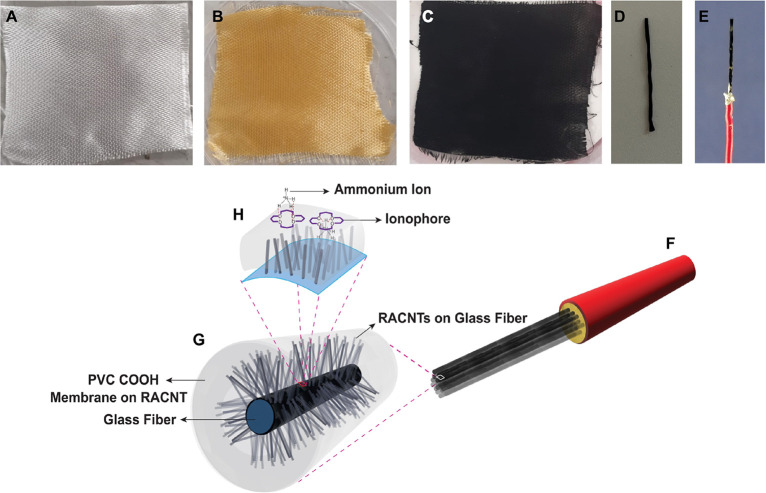 Figure 1
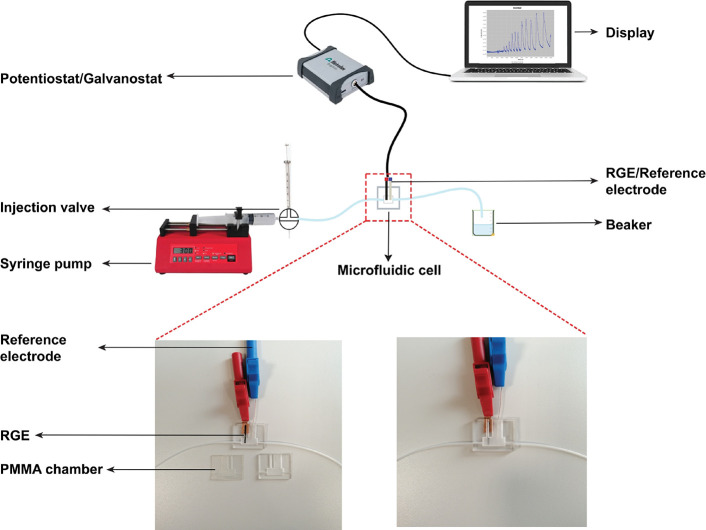 Figure 2
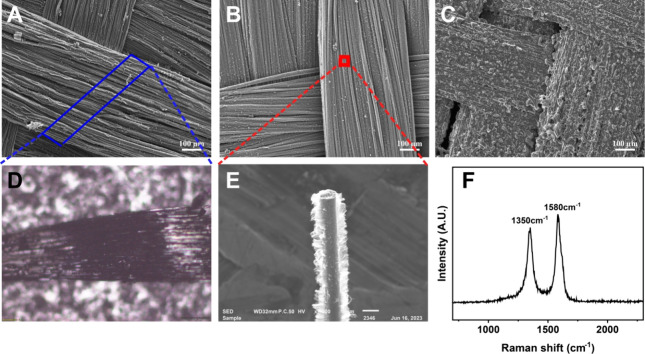 Figure 3
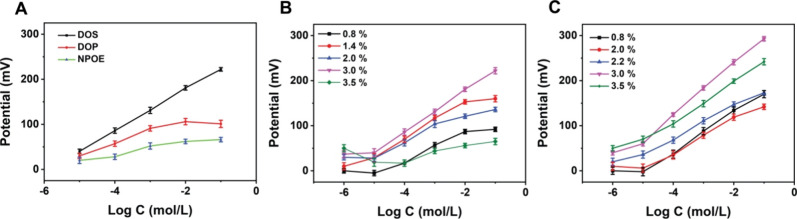 Figure 4
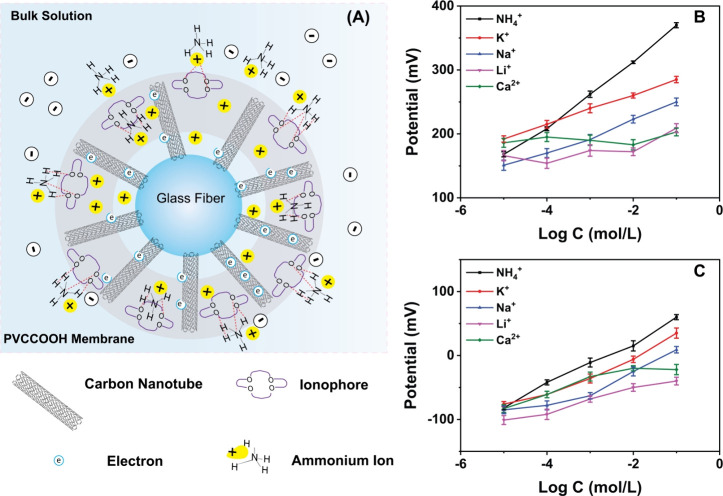 Figure 5
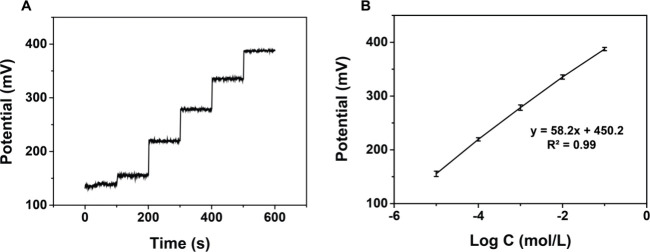 Figure 6
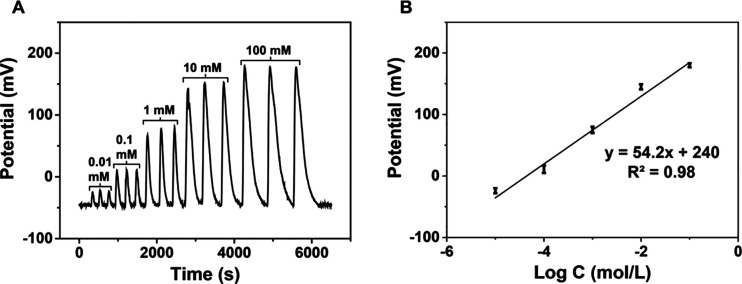 Figure 7
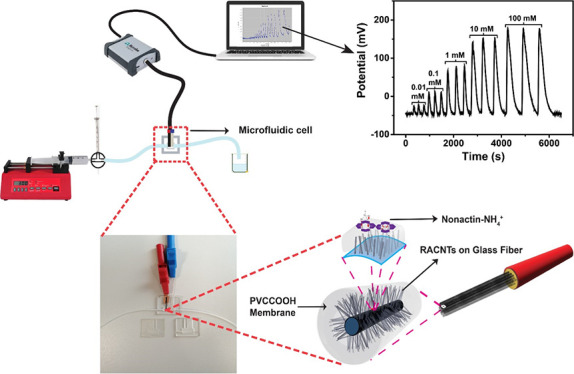 Figure 8
 Figure 9
Peer Reviews
No public reviews on file for this paper yet. If you reviewed it on a platform where reviews are public (OpenReview, ICLR, NeurIPS, ICML), you can paste yours below so the community can read it here.
Videos
No videos yet. Explain this paper in a talk, walkthrough, or lecture? Add one.
Taxonomy
TopicsAnalytical Chemistry and Sensors · Electrochemical sensors and biosensors · Conducting polymers and applications