Computational analysis of Ayurvedic herbs to explore their potential role as anti-cervical cancer agents
Suhani Dange, Neha Aggarwal, Rivi Verma, Yashika Sinha, Sonakshi Dadhiya, Gagan Mittal, Ruchi Sachdeva

TL;DR
This study uses computational methods to explore how Ayurvedic herbs may help treat cervical cancer by targeting specific cancer-related pathways.
Contribution
The study identifies Ayurvedic herbs and their bioactive compounds that target cervical cancer pathways using computational analysis.
Findings
Camellia sinensis, Equisetum arvense, and Rosmarinus officinalis show anti-cervical cancer potential.
Bioactive compounds like allicin, apigenin, and mataresinol target cancer pathways such as microRNA and HPV infection.
The findings suggest these compounds could be used to develop safer cervical cancer therapeutics.
Abstract
Cervical cancer is one of the common types of cancer in women. Treatment regimens include use of chemotherapy but it leads to certain side effects thereby creating a need for safer therapeutic options. Ayurveda has a great potential to provide better treatment strategies. In this study, computational approaches have been employed to investigate the molecular mechanism of anti-cervical cancer Ayurvedic herbs. Initially, Ayurvedic plants possessing anti-cervical cancer activities were obtained from literature. Bioactive compounds present in such plants were evaluated for drug-likeliness, biological functions and associations with cancer-related pathways. This resulted in the most promising drug-like bioactive compounds which were found to target cancer pathways like microRNA and proteoglycans, Human papillomavirus infection. Anti-cervical cancer activity possessing herbs derived from the…
Genes, proteins, chemicals, diseases, species, mutations and cell lines named across the full text — each resolved to its canonical identifier and authoritative record.
Click any figure to enlarge with its caption.
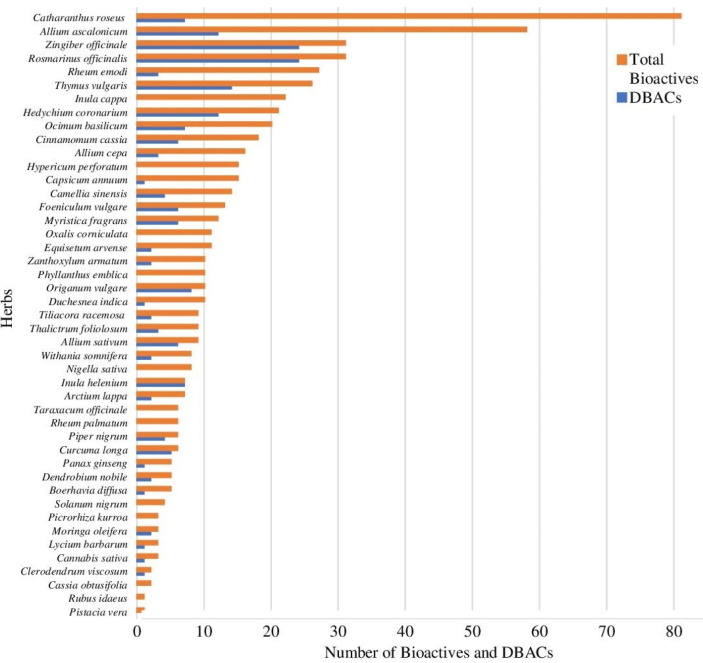 Figure 1
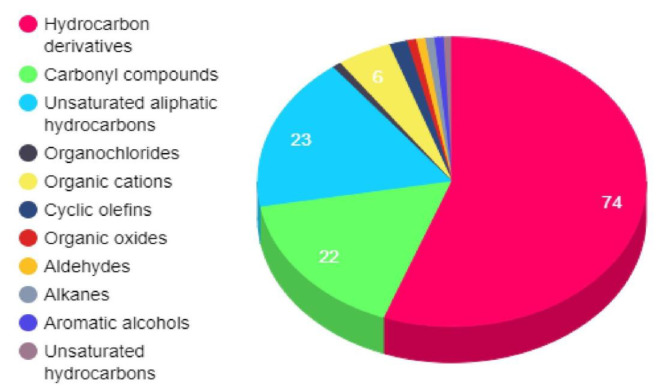 Figure 2
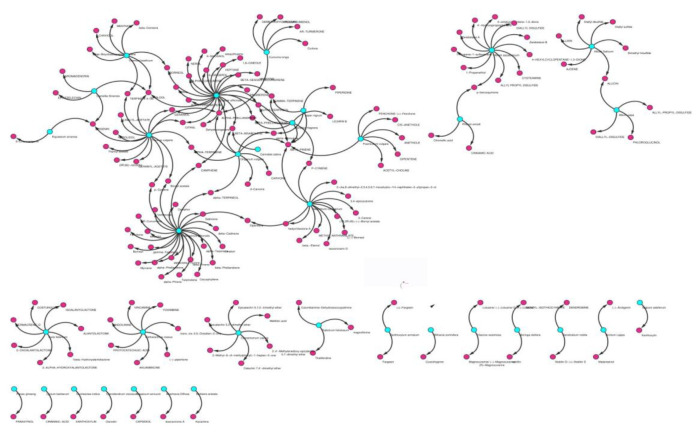 Figure 3
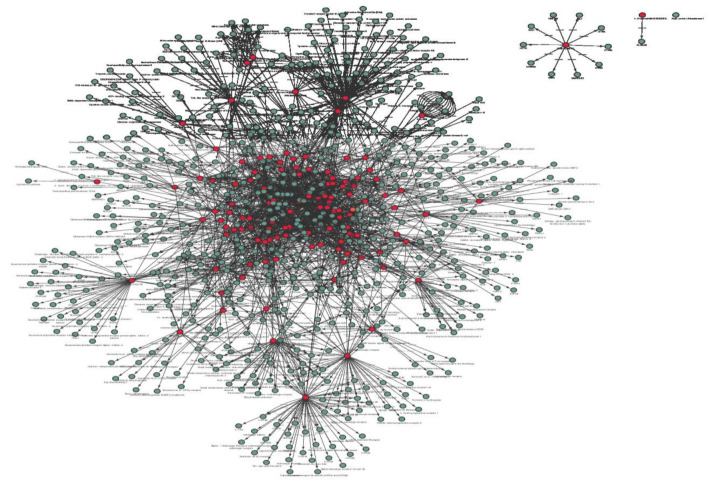 Figure 4
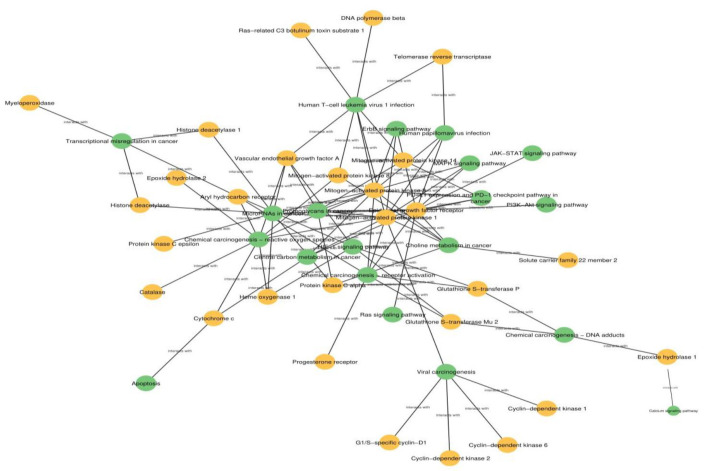 Figure 5
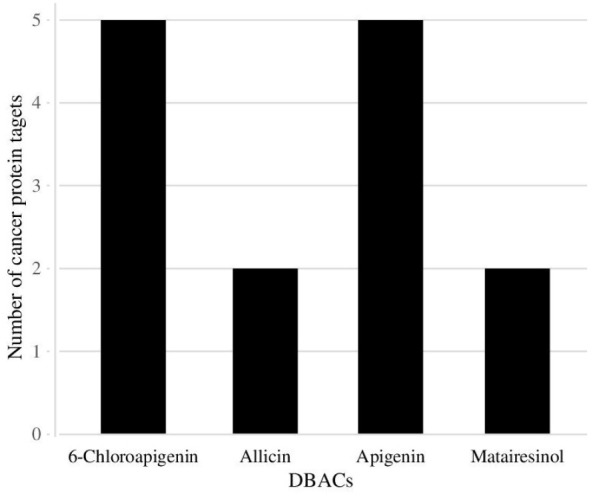 Figure 6
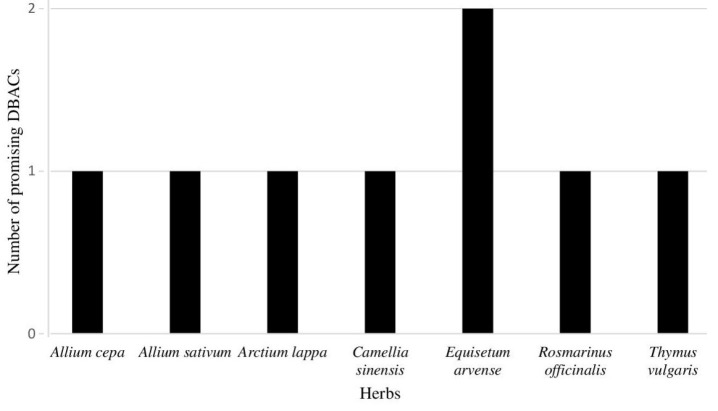 Figure 7
Peer Reviews
No public reviews on file for this paper yet. If you reviewed it on a platform where reviews are public (OpenReview, ICLR, NeurIPS, ICML), you can paste yours below so the community can read it here.
Videos
No videos yet. Explain this paper in a talk, walkthrough, or lecture? Add one.
Taxonomy
TopicsComputational Drug Discovery Methods · Chromatography in Natural Products · Phytochemicals and Medicinal Plants