Minimally Invasive Cutting and Suture Technique for the Management of Caudal Septal Deviation
Tomohisa Hirai, Tsutomu Ueda, Takashi Ishino, Takao Hamamoto, Sachio Takeno, Takehiro Sera

TL;DR
This paper introduces a new minimally invasive surgical technique for correcting caudal septal deviations that preserves nasal structure and reduces risks compared to traditional methods.
Contribution
The novel MICST technique preserves posterior septal angle tissue and avoids batten grafts while correcting deviations.
Findings
MICST showed equivalent improvement in nasal obstruction compared to conventional methods.
MICST had shorter operative times and lower risk of nasal tip deformation.
MICST allows correction of both caudal and dorsal deviations without batten grafts.
Abstract
Objective: Surgery for caudal septal deviations is challenging due to cartilage shape memory, the need for adequate nasal tip and dorsal septal support, and long-term healing effects. Here, we report a new surgical method for caudal septal deviations called the minimally invasive cutting and suture technique (MICST). Although similar to the cutting and suture technique, MICST preserves the tissue around the posterior septal angle by maintaining the continuity of the nasal septum cartilage from the keystone area to the anterior nasal spine. The direction of the cutting line is parallel to the dorsal line of the nose, allowing it to release excess pressure from both dorsal and caudal deviations. Methods: A total of 45 patients underwent MICST between September 2022 and August 2023. We analyzed data collected preoperatively and 3 months postoperatively to compare the cross-sectional area…
Genes, proteins, chemicals, diseases, species, mutations and cell lines named across the full text — each resolved to its canonical identifier and authoritative record.
Click any figure to enlarge with its caption.
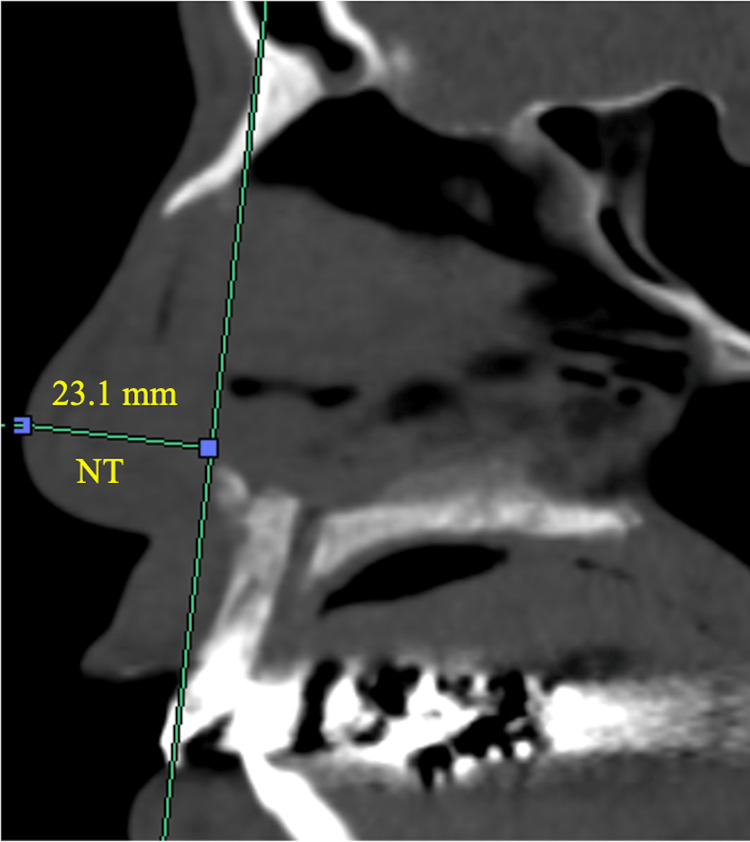 Figure 1
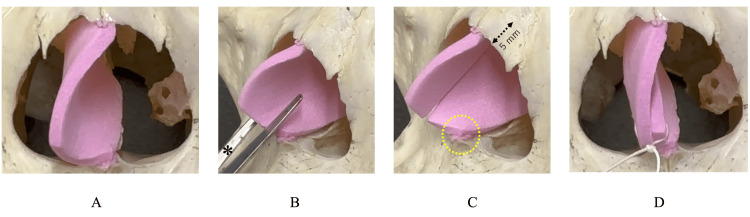 Figure 2
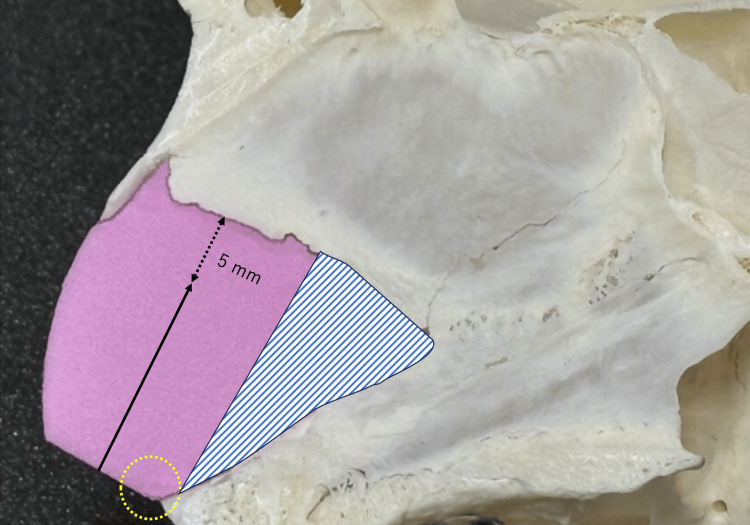 Figure 3
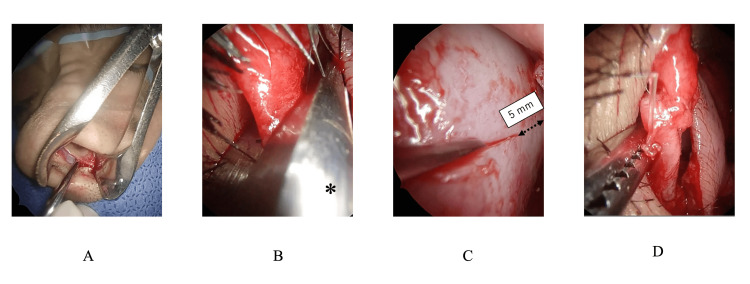 Figure 4
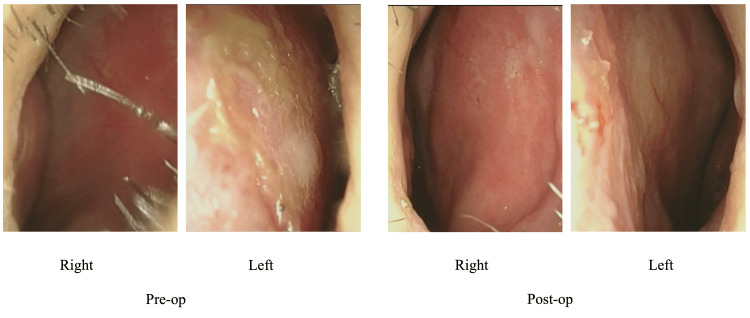 Figure 5
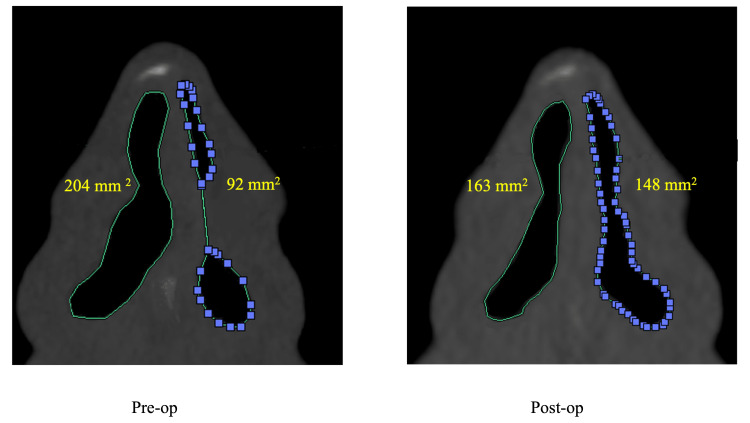 Figure 6
Peer Reviews
No public reviews on file for this paper yet. If you reviewed it on a platform where reviews are public (OpenReview, ICLR, NeurIPS, ICML), you can paste yours below so the community can read it here.
Videos
No videos yet. Explain this paper in a talk, walkthrough, or lecture? Add one.
Taxonomy
TopicsNasal Surgery and Airway Studies · Obstructive Sleep Apnea Research · Esophageal and GI Pathology