Finding a Needle in a Haystack: An Unusual Case of Foreign Body Aspiration
Annette Mathew, Taraneh Honarparvar, Austin Trent, Alejandro Biglione

TL;DR
A patient's childhood sewing needle aspiration led to a foreign body in the chest, preventing brain MRI due to risks from magnetic fields.
Contribution
Highlights a rare case where a long-retained metallic foreign body impacts current medical imaging decisions.
Findings
A sewing needle aspirated in childhood was found in the left thoracic cavity.
The presence of the metallic foreign body made MRI contraindicated for brain imaging.
The case underscores the long-term implications of foreign body aspiration.
Abstract
Foreign body aspiration can have serious medical consequences ranging from asphyxiation to infection. Aspiration of sharp, metallic foreign bodies can also pose risks of vascular injury and damage to the surrounding tissue. On the other hand, in the presence of a foreign body, it should be noted that imaging techniques such as magnetic resonance imaging (MRI) may be contraindicated as they can lead to serious injury when the foreign bodies are brought under a magnetic field. We present a case of an incidental foreign body identified on chest radiography that prevented a brain MRI in a patient who had a history of sewing needle aspiration as a child, with its presence in the left thoracic cavity since that time.
Genes, proteins, chemicals, diseases, species, mutations and cell lines named across the full text — each resolved to its canonical identifier and authoritative record.
Click any figure to enlarge with its caption.
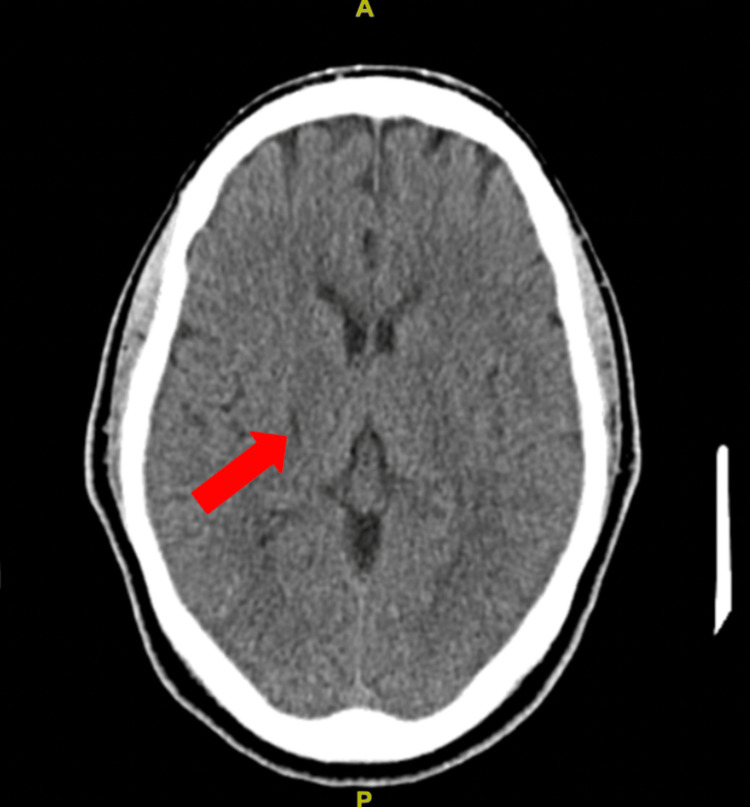 Figure 1
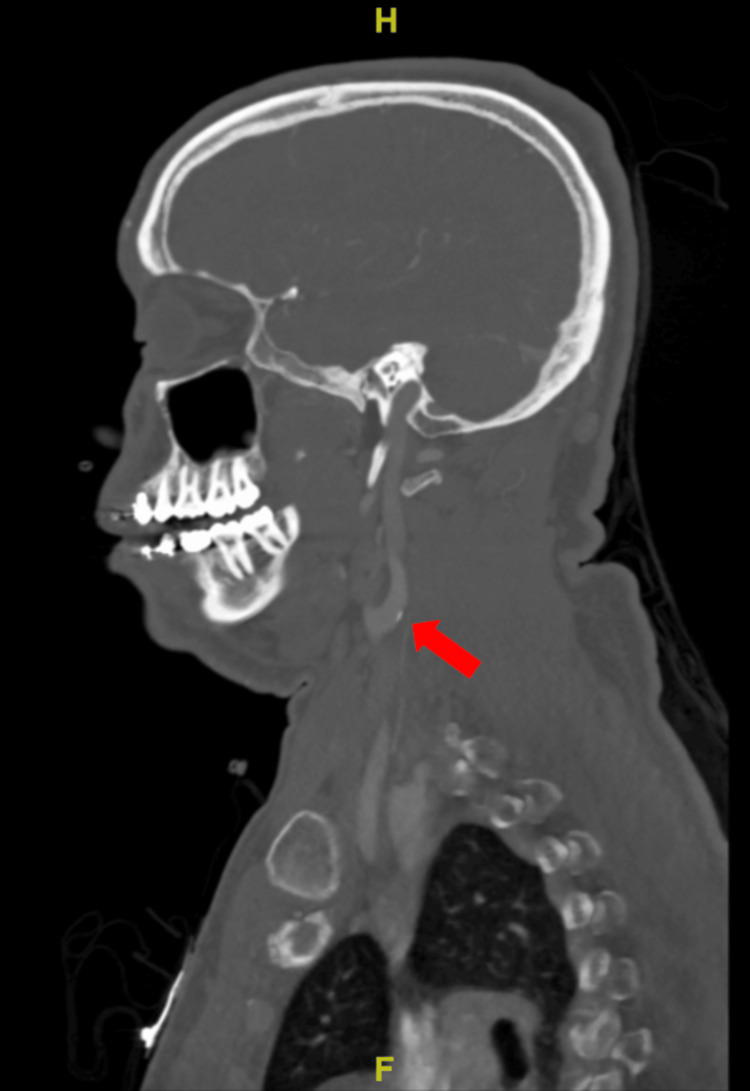 Figure 2
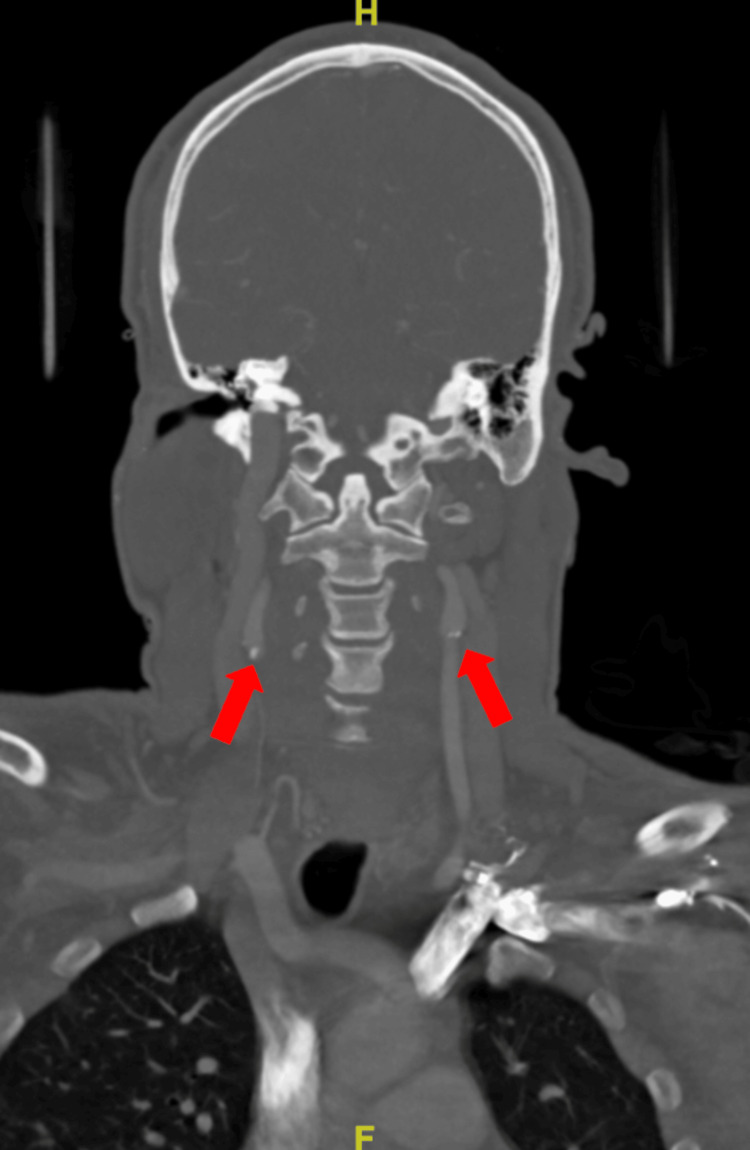 Figure 3
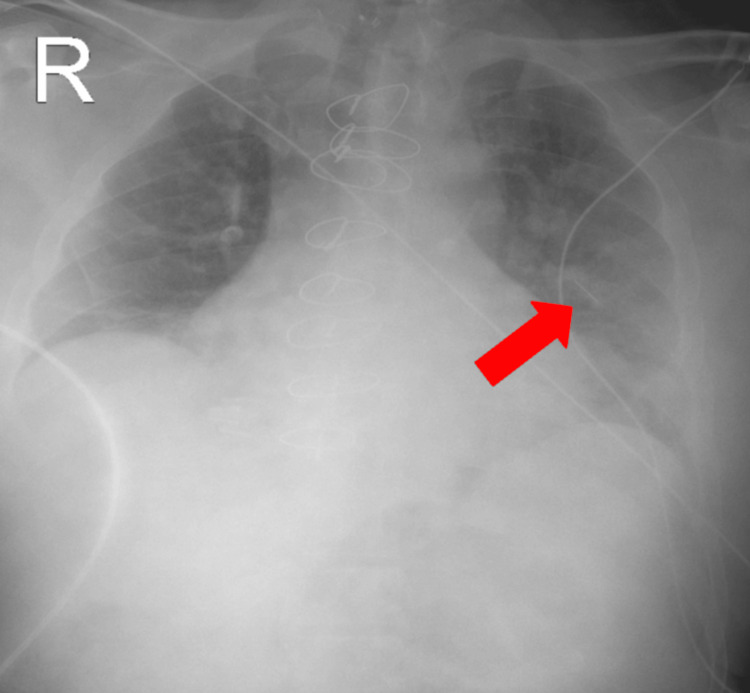 Figure 4
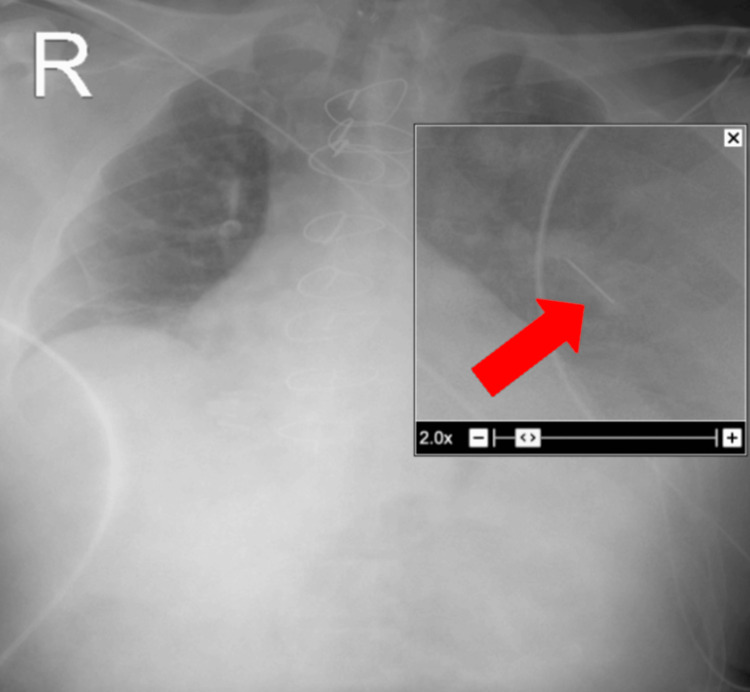 Figure 5
Peer Reviews
No public reviews on file for this paper yet. If you reviewed it on a platform where reviews are public (OpenReview, ICLR, NeurIPS, ICML), you can paste yours below so the community can read it here.
Videos
No videos yet. Explain this paper in a talk, walkthrough, or lecture? Add one.
Taxonomy
TopicsTraumatic Ocular and Foreign Body Injuries · Foreign Body Medical Cases · Restraint-Related Deaths