Genomic and pathogenicity analyses to identify the causative agent from multiple serogroups of non-O1, non-O139 Vibrio cholerae in foodborne outbreaks
Masatomo Morita, Hirotaka Hiyoshi, Eiji Arakawa, Hidemasa Izumiya, Makoto Ohnishi, Kikuyo Ogata, Mari Sasaki, Hiroshi Narimatsu, Emiko Kitagawa, Yukihiro Akeda, Toshio Kodama

TL;DR
This study identifies Vibrio cholerae serogroup O144 as the cause of foodborne outbreaks in Japan using genomic and pathogenicity analyses.
Contribution
The study demonstrates the use of whole-genome data to identify the causative agent in foodborne outbreaks involving multiple Vibrio cholerae serogroups.
Findings
Only serogroup O144 V. cholerae possesses a genomic island with a type III secretion system (T3SS).
A T3SS-deficient mutant showed reduced pathogenicity in rabbit ileal loop tests.
Serogroup O144 V. cholerae with T3SS was confirmed as the causative agent of the outbreaks.
Abstract
In 2013, foodborne outbreaks in Japan were linked to non-O1, non-O139 Vibrio cholerae. However, laboratory tests have detected several serogroups, making it difficult to determine the causative agent. Therefore, whole-genome analyses revealed that only serogroup O144 V. cholerae possesses a genomic island with a type III secretion system (T3SS). A T3SS-deficient mutant was subsequently generated, and its pathogenicity was assessed using a rabbit ileal loop test. This led to the conclusion that serogroup O144 V. cholerae with T3SS was the causative agent of foodborne outbreaks. This study provides an illustrative example of the utilization of whole-genome data for pathogenicity and molecular epidemiological analyses in outbreak investigations.
Genes, proteins, chemicals, diseases, species, mutations and cell lines named across the full text — each resolved to its canonical identifier and authoritative record.
Click any figure to enlarge with its caption.
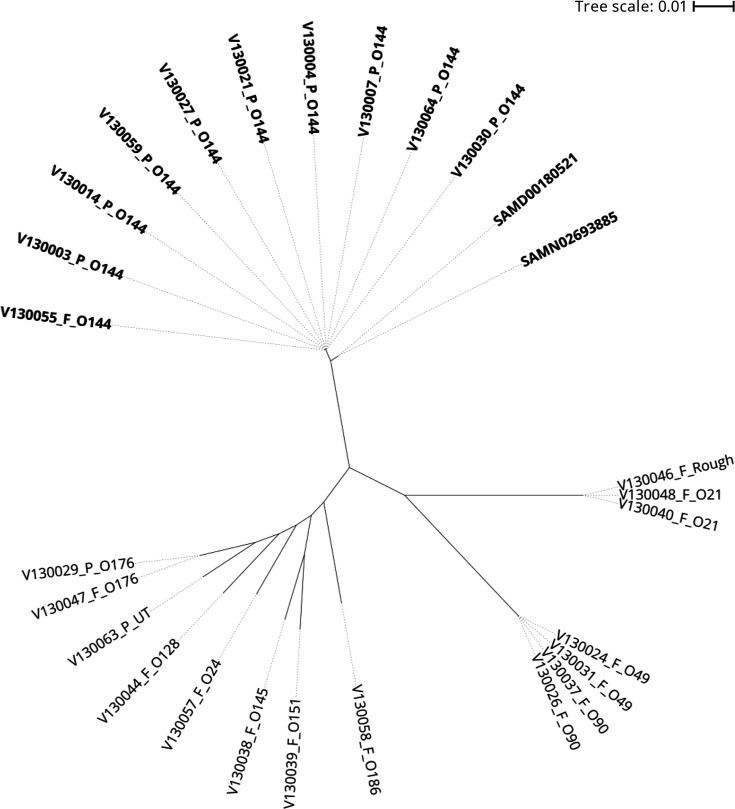 Figure 1
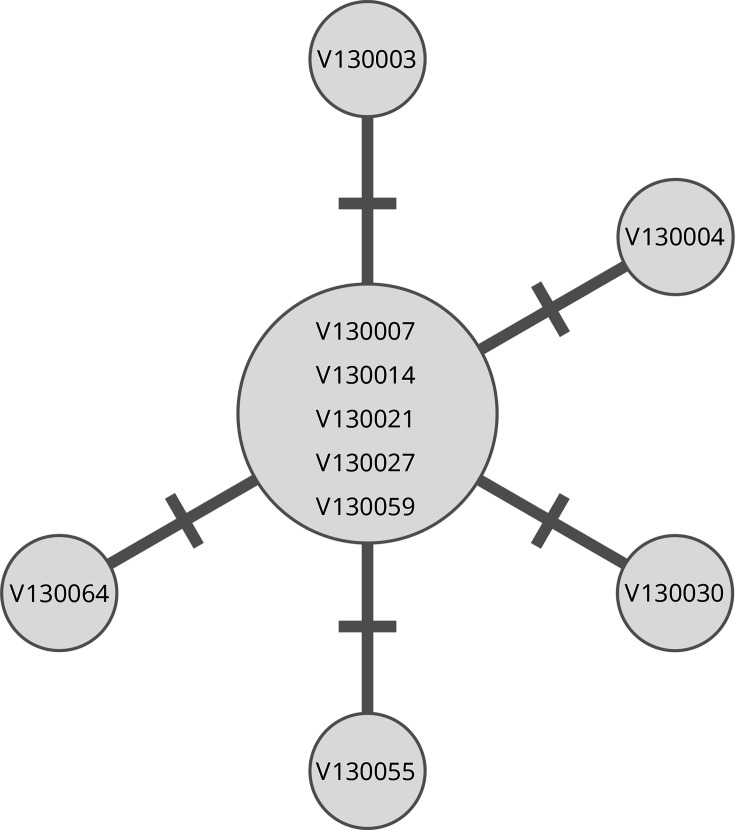 Figure 2
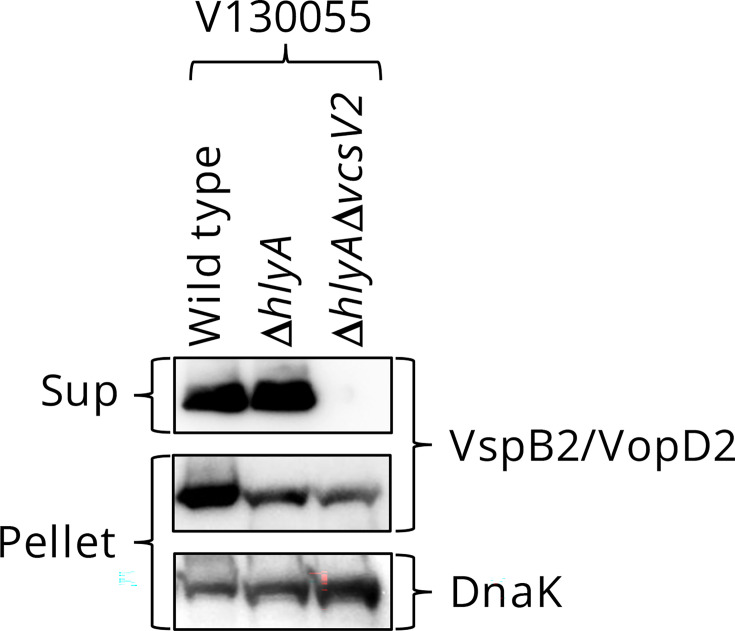 Figure 3
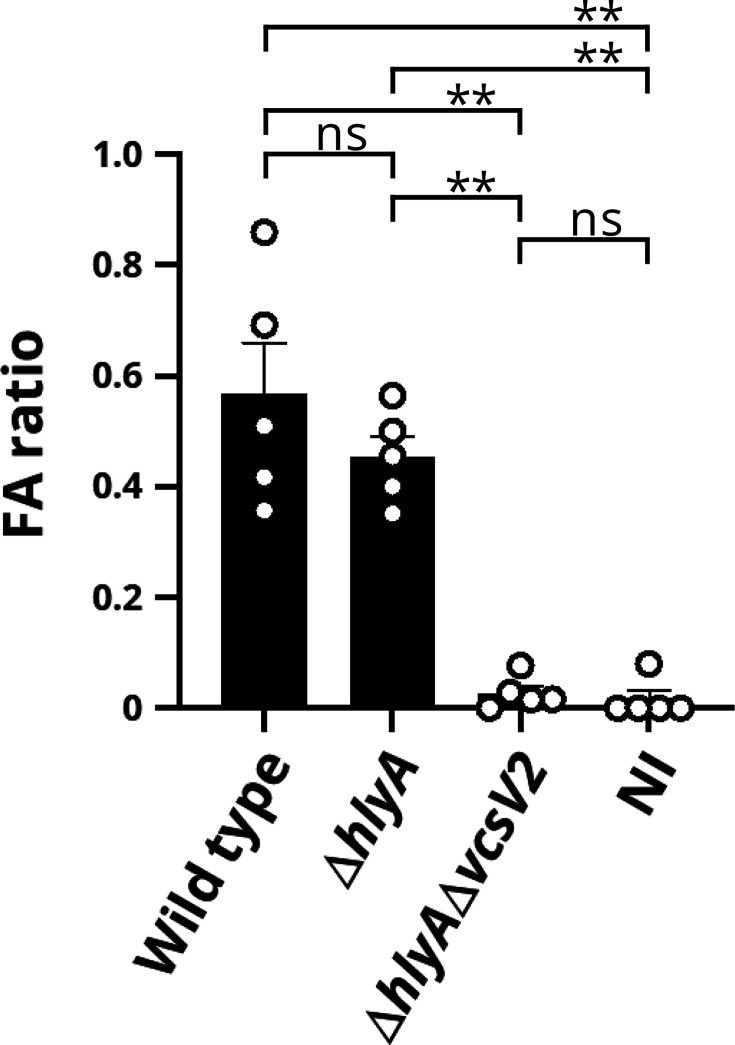 Figure 4
Peer Reviews
No public reviews on file for this paper yet. If you reviewed it on a platform where reviews are public (OpenReview, ICLR, NeurIPS, ICML), you can paste yours below so the community can read it here.
Videos
No videos yet. Explain this paper in a talk, walkthrough, or lecture? Add one.
Taxonomy
TopicsVibrio bacteria research studies · Salmonella and Campylobacter epidemiology · Aquaculture disease management and microbiota