Hypometabolism and atrophy patterns associated with Niemann-Pick type C
Jesús Silva-Rodríguez, Cristina Castro, Julia Cortés, Manuel Arias, Virginia Pubul, Alexis Moscoso, Michel J. Grothe, Gabriel Reynes-Llompart, Laura Rodríguez-Bel, Jordi Gascon-Bayarri, María Jesús Sobrido, Pablo Aguiar

TL;DR
This study shows that [18F]FDG PET imaging can detect early brain changes in Niemann-Pick type C disease more effectively than MRI, aiding diagnosis and tracking progression.
Contribution
The study identifies a distinct hypometabolism pattern in NP-C using [18F]FDG PET, suggesting its potential as a more sensitive diagnostic and monitoring tool.
Findings
[18F]FDG PET showed higher sensitivity than MRI in detecting brain changes in NP-C patients.
Cerebellar hypometabolism was strongly linked to ataxia and showed the most significant longitudinal decline.
Miglustat treatment was associated with a trend of slower cerebellar hypometabolism progression.
Abstract
Niemann–Pick disease type C (NP-C) is a rare genetic lysosomal lipid storage disorder characterized by progressive neurological impairment. Early diagnosis is critical for initiating treatment with miglustat, which can decelerate disease progression. In this study, we evaluated a cohort of 22 NP-C patients who underwent MRI, [18F]FDG PET, and clinical assessment at baseline. We performed a cross-sectional and longitudinal imaging study evaluating the role of [18F]FDG PET as an adjunct diagnostic tool for NP-C alongside MRI, the current neuroimaging standard. Group-level MRI analysis identified significant cerebellar and thalamic atrophy (d = 1.56, p < 0.0001 and d = 1.09, p < 0.001, respectively), with less pronounced involvement of the frontal lobe and hippocampus, which aligned with existing neuropathological understanding and guidelines. Conversely, [18F]FDG PET imaging revealed…
Genes, proteins, chemicals, diseases, species, mutations and cell lines named across the full text — each resolved to its canonical identifier and authoritative record.
Click any figure to enlarge with its caption.
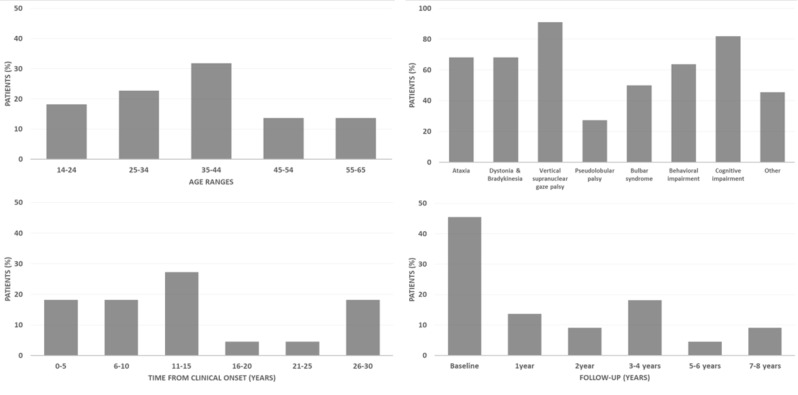 Figure 1
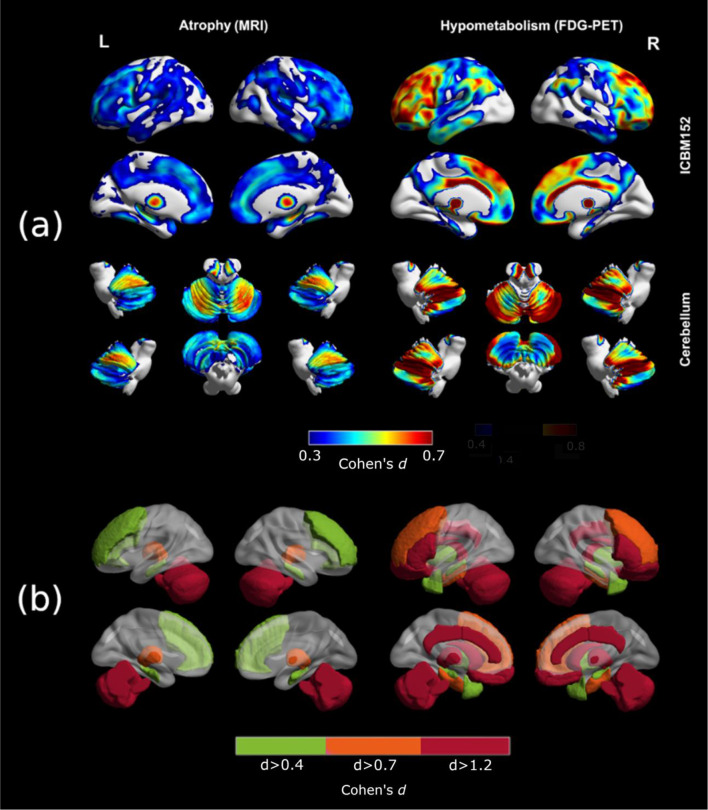 Figure 2
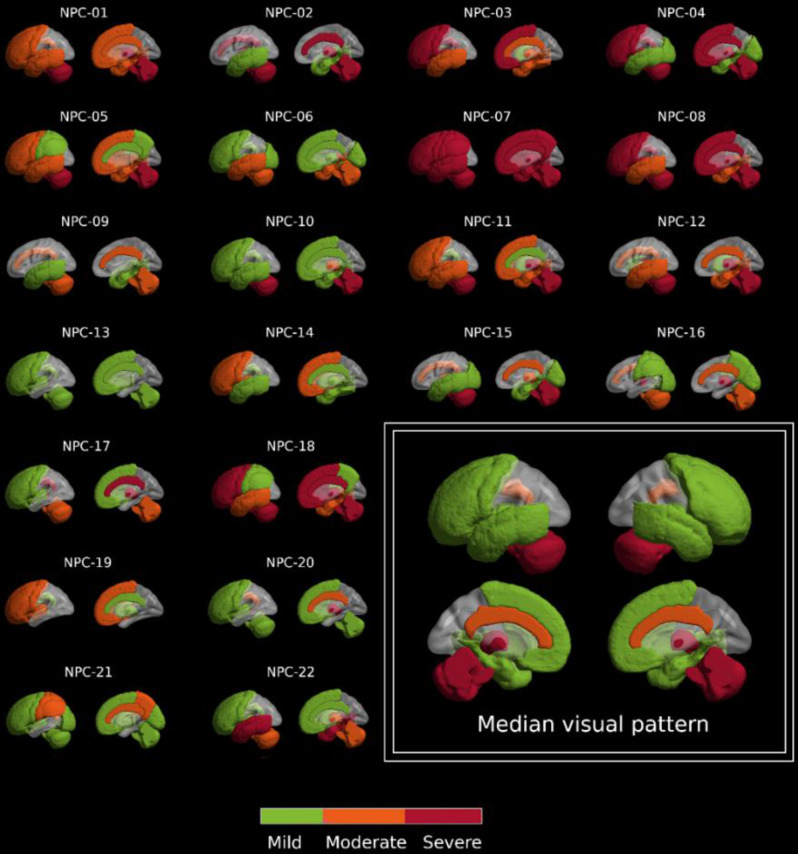 Figure 3
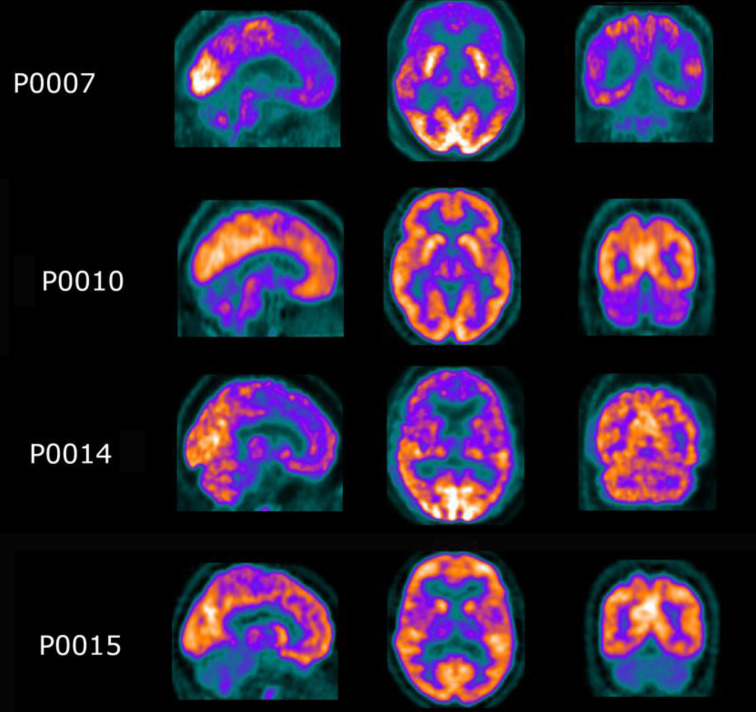 Figure 4
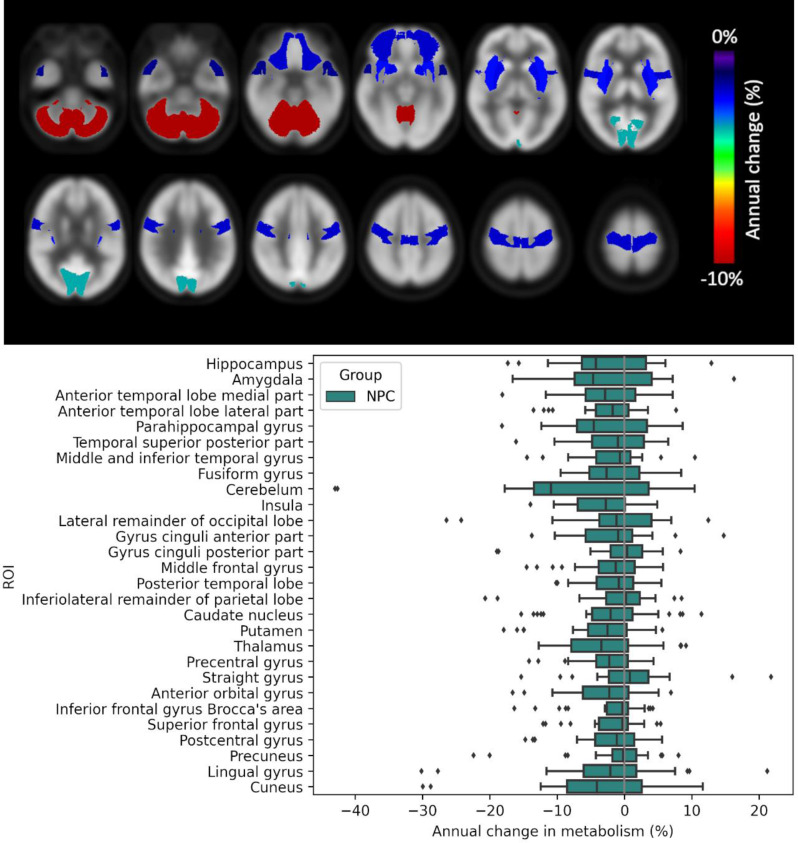 Figure 5
Peer Reviews
No public reviews on file for this paper yet. If you reviewed it on a platform where reviews are public (OpenReview, ICLR, NeurIPS, ICML), you can paste yours below so the community can read it here.
Videos
No videos yet. Explain this paper in a talk, walkthrough, or lecture? Add one.
Taxonomy
TopicsLysosomal Storage Disorders Research · Neonatal and fetal brain pathology · Cerebral Palsy and Movement Disorders