Using the Six-Minute Walk Test to Evaluate Functional Capacity of Children Undergoing a Surgical Repair of Congenital Heart Disease: Two Case Reports
Ritik V Daf, Lajwanti Lalwani

TL;DR
This paper presents two case reports using the six-minute walk test to assess the exercise capacity of children with congenital heart disease after surgery.
Contribution
The study contributes two real-world examples of using the 6MWT to evaluate post-surgical functional capacity in children with CHD.
Findings
Two children with VSD completed the 6MWT, covering 223 and 183 meters.
Physiological responses during the test were analyzed to understand cardiovascular adjustments.
The test provided insights into exercise limitations and cardiovascular function post-surgery.
Abstract
Congenital heart disease (CHD) presents a range of structural abnormalities in the heart that are present at birth. Advances in surgical techniques have significantly improved outcomes for children with CHD. Common surgical procedures include repair of septal defects, such as atrial septal defects (ASDs) and ventricular septal defects (VSDs), as well as correction of complex anomalies such as tetralogy of Fallot (TOF) and transposition of the great arteries. Despite these advancements, it is crucial to assess the exercise capacity of children with CHD. This evaluation provides insights into their cardiovascular function and helps tailor appropriate exercise recommendations. Children with CHD often exhibit reduced exercise tolerance due to factors such as altered heart function, limited blood flow, or impaired oxygen delivery. Assessing their exercise capacity through standardized tests,…
Genes, proteins, chemicals, diseases, species, mutations and cell lines named across the full text — each resolved to its canonical identifier and authoritative record.
Click any figure to enlarge with its caption.
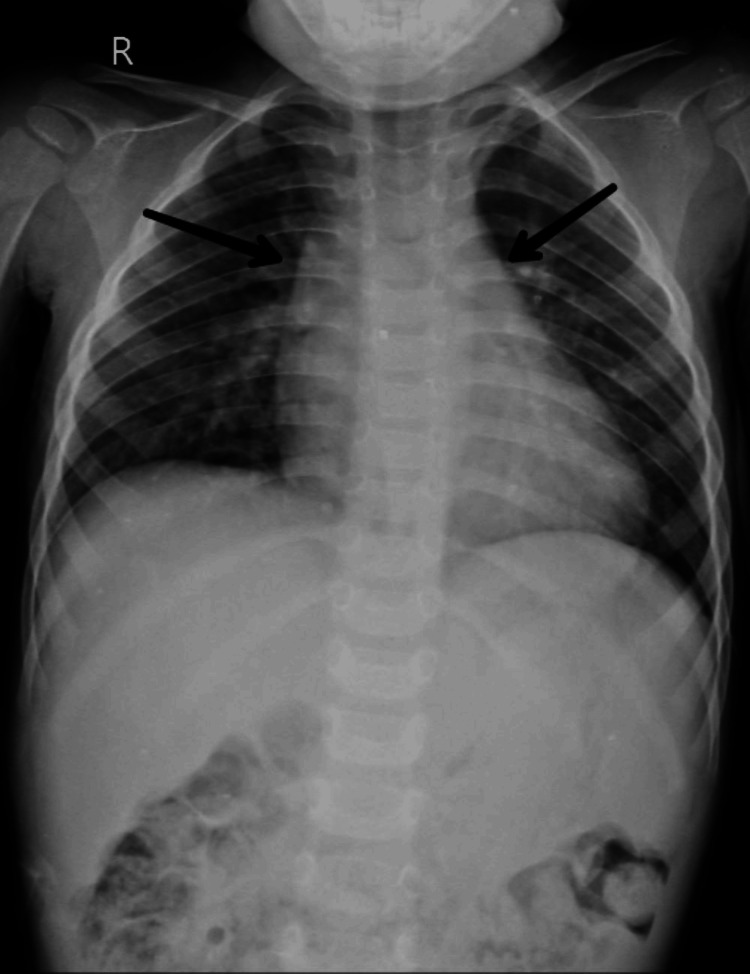 Figure 1
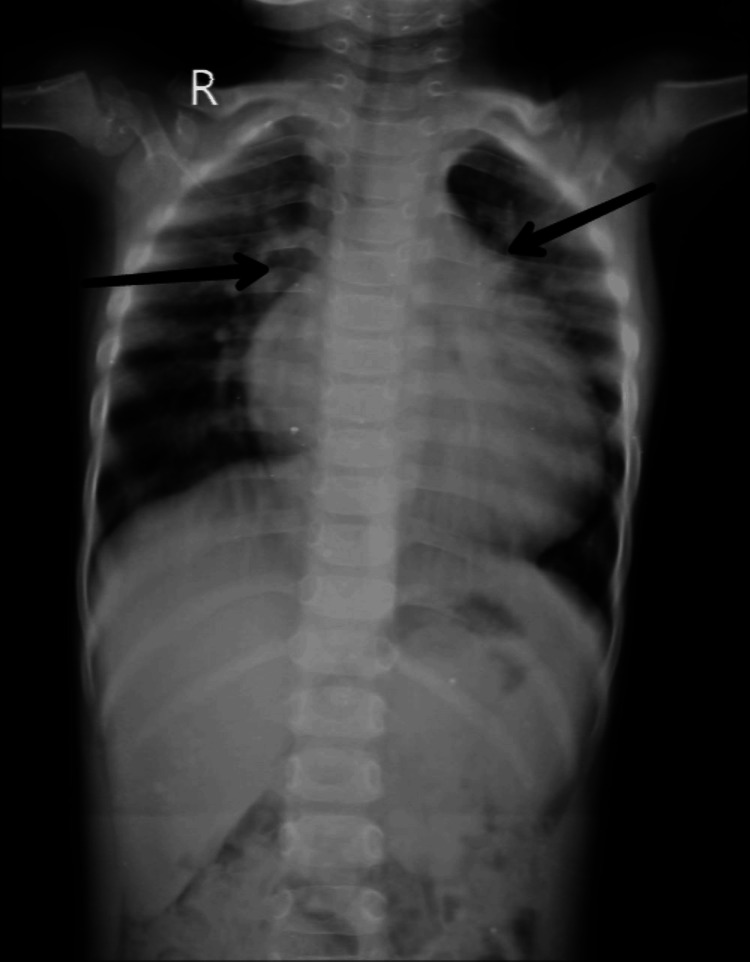 Figure 2
| Assessment | Pre-test Results | Post-test Results | Normal Ranges |
| Peripheral capillary oxygen saturation | 96% | 96% | 92% to 100% |
| Respiratory rate | 22 breaths/min | 30 breaths/min | 22 to 34 breaths/min |
| Pulse rate | 94 beats/min | 126 beats/min | 80 to 140 beats/min |
| Blood pressure | 90/70 mmHg | 95/75 mmHg | 89-112/46-72 mmHg |
| Borg RPE scale | 6 | 12 | - |
| Assessment | Results |
| Distance covered | 223 meters |
| Breaks | 3 minutes 20 seconds (30 seconds) |
| Challenges faced by therapist | Momentarily distracted by the sight of a family member |
| Assessment | Pre-test Results | Post-test Results | Normal Ranges |
| Peripheral capillary oxygen saturation | 96% | 98% | 92% to 100% |
| Respiratory rate | 21 breaths/min | 28 breaths/min | 22 to 34 breaths/min |
| Pulse rate | 114 beats/min | 136 beats/min | 80 to 140 beats/min |
| Blood pressure | 102/76 mmHg | 110/80 mmHg | 89-112/46-72 mmHg |
| Borg RPE scale | 8 | 13 | - |
| Assessment | Results |
| Distance covered | 183 meters |
| Breaks | 4 minute 28 seconds (discontinued later) |
| Challenges faced by therapist | Began weeping during the test |
Peer Reviews
No public reviews on file for this paper yet. If you reviewed it on a platform where reviews are public (OpenReview, ICLR, NeurIPS, ICML), you can paste yours below so the community can read it here.
Videos
No videos yet. Explain this paper in a talk, walkthrough, or lecture? Add one.
Taxonomy
TopicsCongenital Heart Disease Studies · Cardiovascular Function and Risk Factors · Cardiac Valve Diseases and Treatments
Introduction
Congenital heart diseases (CHD) represent a spectrum of structural abnormalities in the heart that are present at birth, affecting approximately 1% of newborns worldwide. These defects can involve the heart walls, valves, or blood vessels, leading to disruptions in its normal function [1]. There are various types of CHD, each with distinct characteristics and impact on cardiovascular health. The CHD is classified as left to right shunt or right to left shunt. Common types include ventricular septal defects (VSD), atrial septal defects (ASD), and aortic valve stenosis [2]. Treatment of choice for CHD is mainly corrective surgery or palliative surgery. Core surgeries for CHD focus on correcting these structural abnormalities to restore proper heart function and prevent long-term complications. Among these procedures, closure of VSD and ASD with repair of valve defects, stand as pivotal interventions. These surgeries are vital in alleviating symptoms such as cyanosis, heart failure, and impaired growth [3]. The inflammatory response and tissue trauma following surgery also contribute to temporary muscle weakness and fatigue.
Additionally, postoperative pain and medication side effects may limit mobility and hinder exercise tolerance. This decline in exercise capacity underscores the importance of structured rehabilitation programs aimed at improving cardiovascular fitness, muscle strength, and overall functional capacity. Post-surgery assessment is crucial, especially in pediatric patients [4,5]. Evaluation often involves sub-maximal tests such as the six-minute walk test (6MWT), which measures exercise capacity and functional status. Parameters such as oxygen saturation, heart rate, blood pressure, and perceived exertion on the Borg rating of perceived exertion (RPE) scale offer valuable insights into recovery progress. The 6MWT is a non-invasive test frequently used to measure exercise capacity in post-cardiac surgery patients [6]. During the 6MWT, patients are tasked with walking as far as possible within a 20-meter straight path, turning at each end. The goal is to cover the maximum distance in the allotted time of 6 minutes. Patients are encouraged to move at their own pace without direct influence from the examiner, emphasizing a natural and self-selected speed throughout the test [7].
The assessment of the 6MWT in the pediatric population following cardiac surgeries lacks sufficient evidence. By understanding their postoperative functional status through the 6MWT, healthcare providers can design interventions to enhance cardiovascular fitness and muscle strength. This approach not only aids in immediate recovery but also lays the foundation for lifelong habits of physical activity, promoting an active and healthy lifestyle into adulthood. Further research and utilization of the 6MWT in this context can lead to improved outcomes and better long-term health prospects for pediatric cardiac surgery patients. Here, we present the case of two patients' exercise capacity assessment with the help of a 6MWT.
Case presentation
Case 1
A 3-year-old male child, weighing 9 kg, presented with recurrent cough and cold. Transthoracic echocardiography (TTE) revealed CHD, moderate size perimembranous VSD restricted by stereo lithography aneurysm, small patent ductus arteriosus (PDA), and good left ventricular function and sinus rhythm. The serial x-ray of the patient showed mediastinum widening, cardiomegaly, and increased pulmonary vasculature (Figure 1).
Preoperative AP chest radiographAP: Anteroposterior
The patient was admitted to the cardiovascular thoracic surgery (CVTS) ward and operated on for VSD closure; a PDA ligation synthetic fabric dacron (SFD) patch was used. After the surgery, the patient was moved to the CVTS intensive care unit (ICU). On postoperative day 7, the patient was moved to the CVTS ward. The patient was discharged on postoperative day 8. On discharge day, a cardiorespiratory assessment was taken using 6MWT. During the test, saturation levels did not drop. Table 1 and Table 2 show the patient's pre- and post-assessment findings.
Case 2
A 3-year-old male child, weighing 10 kg, presented with recurrent cough and cold. TTE revealed CHD, small subaortic VSD, right coronary cusp prolapsed, and mild aortic regurgitation and sinus rhythm. The serial x-ray of the patient showed mediastinum widening, cardiomegaly, and increased pulmonary vasculature (Figure 2).
Preoperative AP chest radiographAP: Antroposterior
The patient was admitted to the CVTS ward and operated on for VSD closure; an SFD patch was used. After the surgery, the patient was moved to the CVTS ICU and monitored. On postoperative day 6, the patient was moved to the CVTS ward. The patient was discharged on postoperative day 9. On discharge day, a cardiorespiratory assessment was taken using 6MWT. During the test, saturation levels did not drop. Table 3 and Table 4 show the patient's pre- and post-assessment findings.
Discussion
Patients typically get discharged from the hospital around 4 to 7 days after post-cardiac surgeries, depending on the procedure's complexity, individual health status, and recovery progress. Advances in surgical techniques and postoperative care have contributed to shorter hospital stays, promoting faster recoveries while ensuring patient safety and well-being [8,9]. It has been reported that physical capacity in children with CHD is lower compared to healthy controls with limited exercise capacity and a shorter lifespan related to health [10]. Limited exercise capacity favors a more sedentary lifestyle, a situation that can be maintained into adulthood [11]. Exercise capacity is one of the main factors when assessing health-related quality of life (QOL), prognosis, risk of morbidity, and early mortality from cardiovascular, metabolic, or respiratory disease [12]. It can be evaluated by a standardized laboratory test such as the cardiopulmonary exercise test or standardized field tests such as 6MWT, shuttle walking test, time up and go, or similar tests [13].
Assessing the exercise capacity of children and adolescents with CHD is crucial for enhancing their functional status and overall QOL. This evaluation plays a pivotal role in identifying potential poor prognostic factors associated with increased risks of morbidity and mortality.
Geiger et al. found that the average distance traveled by healthy individuals in the 3- to 5-year age group was 544 meters. In our assessment, our patients covered 183 and 223 meters, respectively. This comparison underscores the impact of CHD and postoperative recovery on exercise capacity in pediatric patients [14]. The assessment of 6MWT in the pediatric population following cardiac surgeries lacks sufficient evidence. However, it is crucial to evaluate the exercise capacity of these patients to develop a personalized exercise regimen for their rehabilitation. Enhancing exercise capacity can support patients in maintaining an active lifestyle into adulthood.
In assessing 6MWT in children, we encountered challenges during the test, with one child being distracted and pausing mid-way while another started weeping midway. These interruptions highlight the need for adjustments in the 6MWT protocol when working with pediatric patients. These modifications aim to create a more engaging and supportive testing environment, addressing issues, such as attention span and emotional comfort. Overcoming these challenges requires tailored adjustments to enhance engagement and comfort during the test, fostering a more cooperative environment. Improving communication strategies, incorporating interactive elements, and considering child-friendly incentives can aid in achieving more reliable and insightful results from 6MWT in pediatric patients. These modifications are crucial for the effective evaluation of exercise tolerance and functional capacity in this young age group. Patient discharge assessment post-cardiac surgery is essential for ensuring optimal recovery and reducing readmission rates. Effective assessment helps healthcare providers tailor postoperative care plans, including medication management, lifestyle modifications, and follow-up appointments, promoting continuity of care and preventing complications [15].
Conclusions
The presented case reports highlight the response of 6MWT in pediatric CHD patients operated for VSD. The 6MWT emerges as a valuable tool for evaluating exercise capacity and functional outcomes post-surgery. The 6MWT can be effectively utilized in cooperative patients, particularly with pediatric populations. However, limitations arise when children may not readily obey commands, so modifications are necessary for accurate assessments. Prior evaluations on cooperation levels and establishing a relationship with the child can significantly impact the test's reliability and outcomes. Further studies are needed to incorporate additional components, enhancing cooperation in pediatric patients during 6MWT.
The reference list from the paper itself. Each links out to its DOI / PubMed record.
- 1Birth prevalence of congenital heart disease worldwide: a systematic review and meta-analysis J Am Coll Cardiol van der Linde D Konings EE Slager MA Witsenburg M Helbing WA Takkenberg JJ Roos-Hesselink JW 224122475820112207843210.1016/j.jacc.2011.08.025 · doi ↗ · pubmed ↗
- 22022 AHA/ACC/HFSA guideline for the management of heart failure: a report of the American College of Cardiology/American Heart Association Joint Committee on Clinical Practice Guidelines Circulation 2 2025 Heidenreich PA Bozkurt B Aguilar D 01452022 https://www.ahajournals.org/doi/full/10.1161/CIR.000000000000106310.1016/j.jacc.2021.12.01235379503 · doi ↗ · pubmed ↗
- 3Recent advances in managing septal defects: ventricular septal defects and atrioventricular septal defects F 1000 Res Rao PS Harris AD 1167201810.12688/f 1000 research.14102.1PMC 593126429770201 · doi ↗ · pubmed ↗
- 4Inspiratory muscle weakness in cardiovascular diseases: implications for cardiac rehabilitation Prog Cardiovasc Dis Smith JR Taylor BJ 49577020223468867010.1016/j.pcad.2021.10.002PMC 8930518 · doi ↗ · pubmed ↗
- 5Cardiac rehabilitation for patients with heart failure: JACC expert panel J Am Coll Cardiol Bozkurt B Fonarow GC Goldberg LR 145414697720213373682910.1016/j.jacc.2021.01.030 · doi ↗ · pubmed ↗
- 6Two-, six-, and 12-minute walking tests in respiratory disease Br Med J (Clin Res Ed) Butland RJ Pang J Gross ER Woodcock AA Geddes DM 16071608284198210.1136/bmj.284.6329.1607 PMC 14985166805625 · doi ↗ · pubmed ↗
- 7ATS statement: guidelines for the six-minute walk test Am J Respir Crit Care Med 2 2025 11111716620021209118010.1164/ajrccm.166.1.at 1102 · doi ↗ · pubmed ↗
- 8Factors associated with prolonged length of stay following cardiac surgery in a major referral hospital in Oman: a retrospective observational study BMJ Open Almashrafi A Alsabti H Mukaddirov M Balan B Aylin P 06201610.1136/bmjopen-2015-010764 PMC 490887827279475 · doi ↗ · pubmed ↗