Socio-demographic characteristics and pharmacological treatment options in patients with delirium
F. J. Cruz Aviña, A. Salazar Rodriguez, D. N. M. Sanchez, E. A. C. Martinez, L. C. Rocha Reza, S. V. Nuñez Pichardo, H. A. Barranco Rogel, M. G. Ochoa Madrigal, O. Meneses Luna

TL;DR
This study examines delirium in hospitalized patients, focusing on risk factors and treatment effectiveness, particularly the use of haloperidol.
Contribution
The study provides insights into pharmacological treatment options and risk factors for delirium in hospitalized patients.
Findings
Haloperidol was used in 84% of patients and showed the highest percentage reduction in CAM scores.
Patients with diabetes, hypertension, and kidney injury had significantly higher risks of delirium.
The average duration of delirium symptoms was 6 days, and the average hospital stay was 20 days.
Abstract
Delirium is common in hospital settings, with approximately 3% to 45% of older patients in hospitals developing delirium during their stay. Among the elderly and those with severe or advanced medical conditions, the reported percentage of patients with delirium is over 56%. The three motor subtypes of delirium are hyperactive, hypoactive, and mixed. Another way to characterize delirium is based on whether it is reversible, irreversible, or terminal. Identifying appropriate pharmacological treatment options among antipsychotics and their correlation with various precipitating and predisposing factors in the in-hospital context This was a retrospective, cross-sectional, observational study that utilized a database created by the psychiatry department at the National Medical Center 20 de Noviembre, with data collected from April 2021 to April 2022. The database contains anonymized…
Genes, proteins, chemicals, diseases, species, mutations and cell lines named across the full text — each resolved to its canonical identifier and authoritative record.
Click any figure to enlarge with its caption.
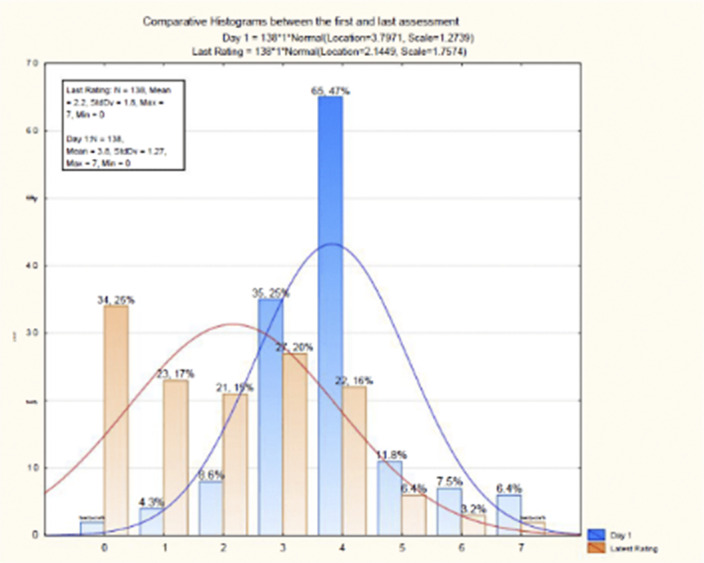 Figure 95
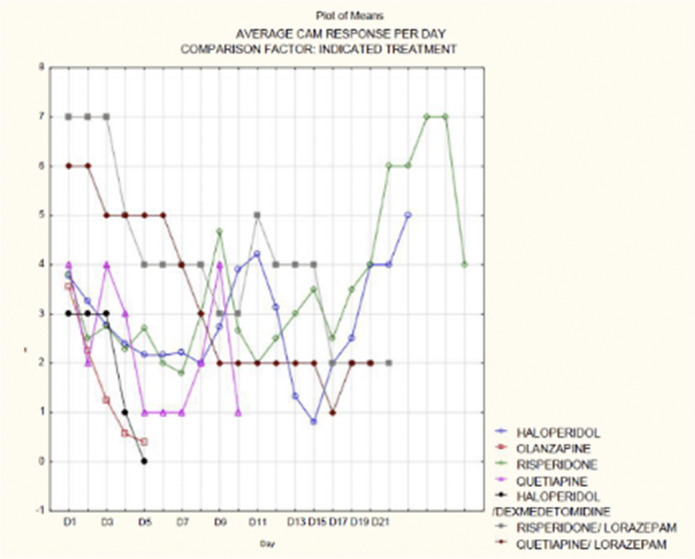 Figure 96
Peer Reviews
No public reviews on file for this paper yet. If you reviewed it on a platform where reviews are public (OpenReview, ICLR, NeurIPS, ICML), you can paste yours below so the community can read it here.
Videos
No videos yet. Explain this paper in a talk, walkthrough, or lecture? Add one.
Taxonomy
TopicsIntensive Care Unit Cognitive Disorders