Prevalence of psychiatric disorders in patients with craniofacial malformations - a statistical analysis
G. Pereira Bernd, V. Dall Agnol Bouvier, T. Brusa da Costa Linn, I. Cho de Almeida, B. de Oliveira de Marchi, L. Guinter Muccillo, C. G. Menezes Chaves Barcellos, C. Paz Portinho, M. V. Martins Collares

TL;DR
This study finds that people with craniofacial malformations are more likely to have psychiatric disorders than the general population, highlighting the need for combined medical and psychological care.
Contribution
The study provides new empirical evidence on the prevalence of psychiatric disorders in craniofacial malformation patients and emphasizes the importance of integrated care.
Findings
24 out of 132 craniofacial patients had psychiatric disorders, with an even gender distribution.
The prevalence of psychiatric disorders in this group appears higher than in the general population.
Findings suggest a need for combined medical and psychological support for these patients.
Abstract
Craniofacial malformations have long been associated with a heightened risk of psychiatric disorders. Understanding this link is crucial, as it can inform early intervention and support for affected individuals, enhancing their overall well-being. Research in this area aims to shed light on the prevalence and nature of these disorders within the craniofacial population, ultimately improving healthcare and quality of life for affected individuals. This study aims to establish a comprehensive understanding of the relationship between craniofacial malformations and psychiatric disorders. Specifically, our objectives include: assessing prevalence, identifying risk factors, evaluating impact and informing clinical practice. This research aims to improve the holistic care and mental well-being of individuals with craniofacial malformations, contributing to a more comprehensive approach in…
Click any figure to enlarge with its caption.
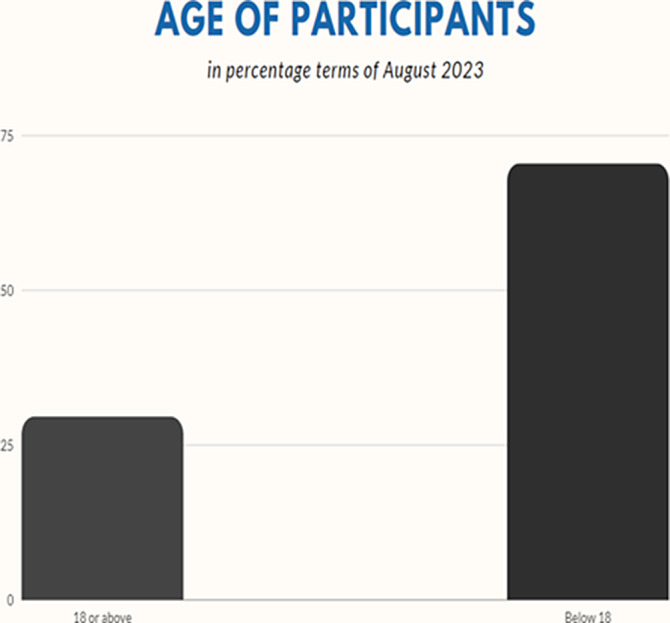 Figure 115
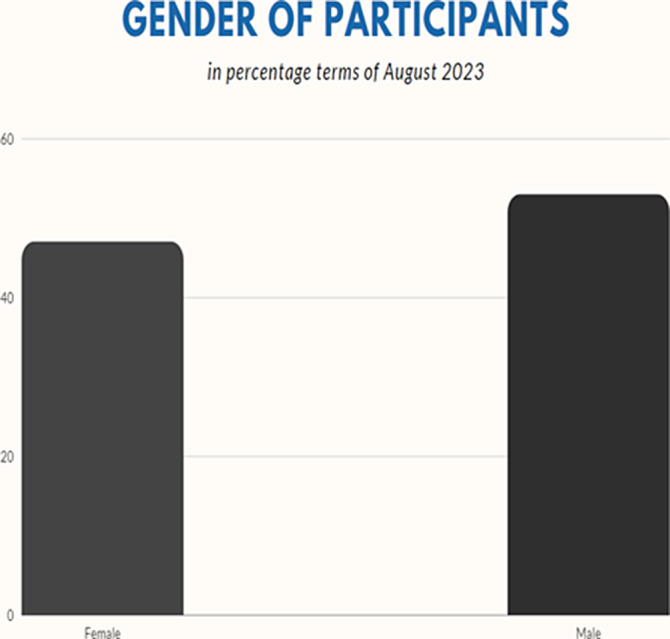 Figure 116
Peer Reviews
No public reviews on file for this paper yet. If you reviewed it on a platform where reviews are public (OpenReview, ICLR, NeurIPS, ICML), you can paste yours below so the community can read it here.
Videos
No videos yet. Explain this paper in a talk, walkthrough, or lecture? Add one.
Taxonomy
TopicsCleft Lip and Palate Research