Electroencephalogram monitoring during ketamine antidepressant treatment: a pilot study
M. S. Fabus, D. Casey, K. Warnaby, M. Woolrich, R. McShane

TL;DR
This study explores how EEG brain activity changes during ketamine treatment for depression, using a low-cost system in a clinic setting.
Contribution
The study demonstrates the feasibility of using low-cost EEG to monitor ketamine effects in real-world clinical settings.
Findings
Ketamine infusions significantly reduced fronto-temporal alpha and theta EEG power in treatment-resistant depression patients.
The largest effects were observed at the TP9 electrode, particularly in the alpha and theta frequency bands.
These findings suggest EEG could be used to inform personalized ketamine treatment in the future.
Abstract
Depression is a major cause of disability world-wide. Up to a third of patients have a treatment-resistant form (TRD), presenting a major challenge. Ketamine has been introduced as a novel rapid-acting antidepressant effective in this population. However, at present, ketamine treatment is not routinely informed by any objective neural markers. Basic research has shown promising electroencephalogram (EEG) changes including a decrease in alpha power. However, clinical translation is lacking. Assess the feasibility of identifying EEG correlates of ketamine infusions in a routine outpatient setting with a low-cost, easily usable system. The study was carried out at the Oxford Health Foundation Trust Ketamine Clinic (ethics reference 22/EM/0226). N=18 EEG recordings from N=12 patients were collected (5 women, mean age 44, range 33-62, IV dose 0.5-1mg/kg over 40min). 4-channel EEG was…
Genes, proteins, chemicals, diseases, species, mutations and cell lines named across the full text — each resolved to its canonical identifier and authoritative record.
Click any figure to enlarge with its caption.
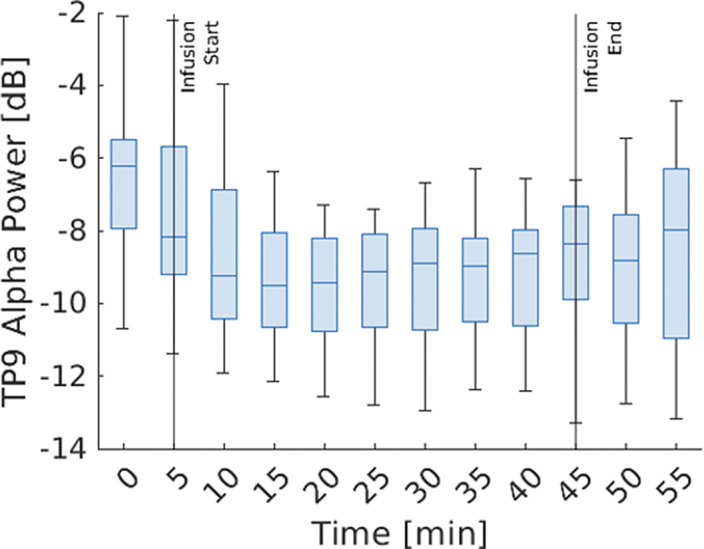 Figure 98
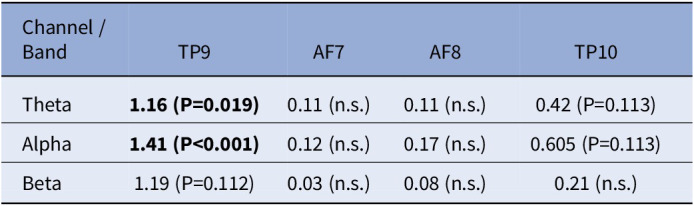 Figure 2
Peer Reviews
No public reviews on file for this paper yet. If you reviewed it on a platform where reviews are public (OpenReview, ICLR, NeurIPS, ICML), you can paste yours below so the community can read it here.
Videos
No videos yet. Explain this paper in a talk, walkthrough, or lecture? Add one.
Taxonomy
TopicsTreatment of Major Depression · Functional Brain Connectivity Studies