Neuroinflammation in Recent Onset Mental Health Disorders – Developing Multi-level Signatures of Early-stage Depression and Psychosis in Young Adults
D. Popovic, C. Weyer, A. Ruef, D. Dwyer, S. L. Griffiths, P. A. Lalousis, N. Koutsouleris, R. Upthegrove

TL;DR
The study identifies distinct biological and brain patterns in early-stage depression and psychosis among young adults, which could help in developing targeted treatments.
Contribution
A novel transdiagnostic machine learning approach is used to uncover multi-level signatures of early-stage depression and psychosis.
Findings
A psychosis signature was identified with elevated IL-6, TNF-α, and CRP linked to GMV changes in cortico-thalamo-cerebellar circuits.
A depression signature was found with elevated IL-1ß, IL-2, IL-4, S100B, and BDNF associated with limbic system GMV changes.
Childhood trauma predicted psychosis and depression signatures differently, while functioning and quality of life predicted both.
Abstract
An early and comprehensive neurobiological characterization of severe mental disorders could elucidate mechanistic pathways, aid the development of novel therapeutics, and therefore enable timely and targeted intervention in at-risk youth and young adults. Therefore, we present an unsupervised transdiagnostic machine learning approach to investigate shared and distinct patterns of early-stage depressive and psychotic disorders on multiple clinical and neurobiological levels. To derive multi-level neurobiological and clinical signatures of early-stage affective and psychotic disorders in adolescents and young adults. From the multicenter prospective European PRONIA cohort, we acquired data from 678 individuals (51% female) comprising young, minimally medicated in- and outpatients with clinical high-risk (CHR) states for psychosis, with recent-onset depression (ROD) or psychosis (ROP),…
Genes, proteins, chemicals, diseases, species, mutations and cell lines named across the full text — each resolved to its canonical identifier and authoritative record.
Click any figure to enlarge with its caption.
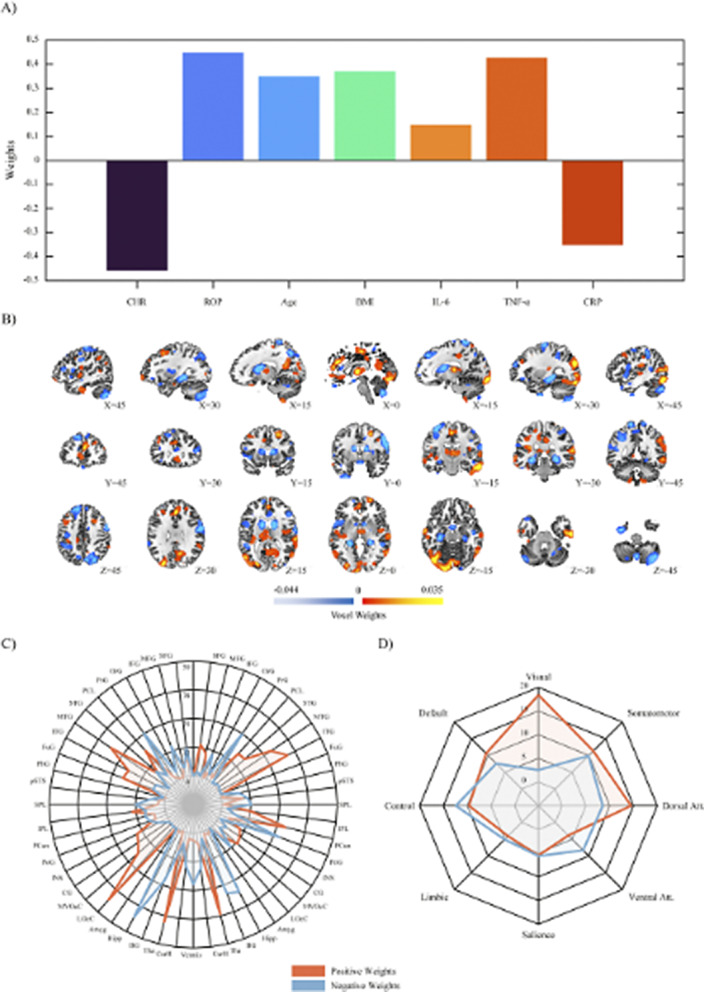 Figure 184
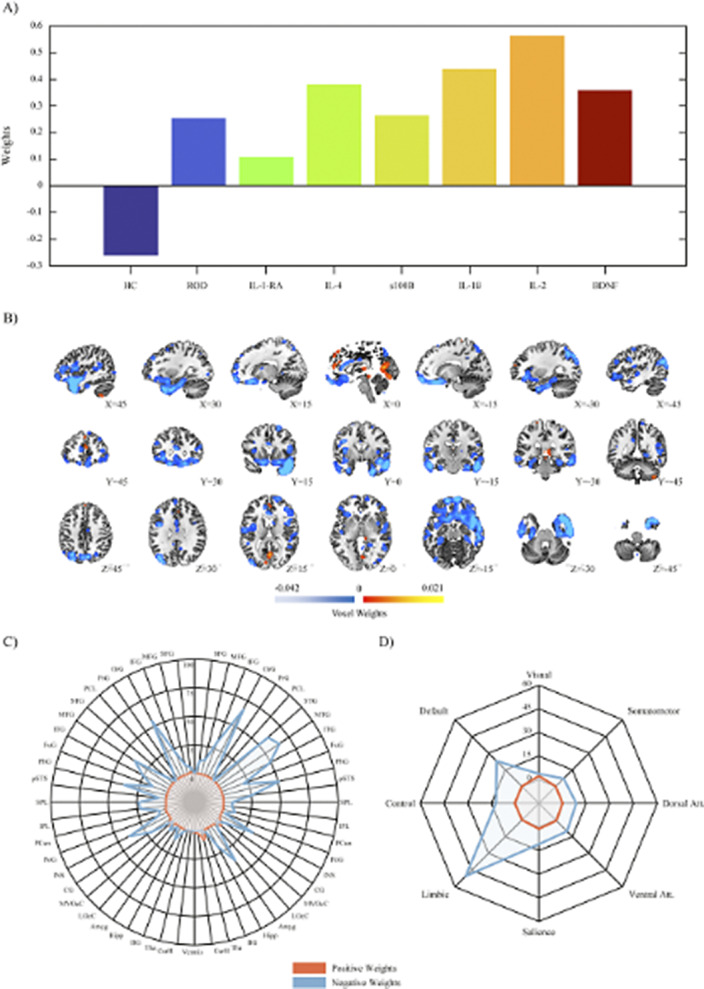 Figure 185
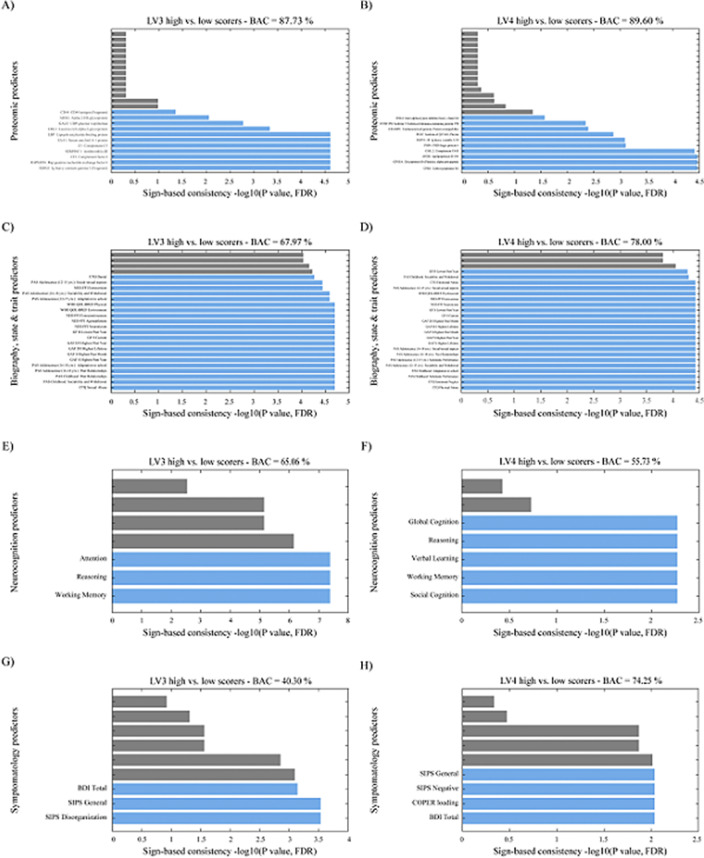 Figure 186
Peer Reviews
No public reviews on file for this paper yet. If you reviewed it on a platform where reviews are public (OpenReview, ICLR, NeurIPS, ICML), you can paste yours below so the community can read it here.
Videos
No videos yet. Explain this paper in a talk, walkthrough, or lecture? Add one.
Taxonomy
TopicsTryptophan and brain disorders · Stress Responses and Cortisol · Neuroinflammation and Neurodegeneration Mechanisms