Prevalence of gastroparesis symptoms and its associated factors among type 2 diabetes mellitus patients in West Bank in Palestine: a national cross-sectional study
Diya Asad, Qusai Zreqat, Shahd Idais, Bara'ah Hussein, Alaa Ayyad, Marah Hunjul, Hamzeh M. I. AbuGharbieh, Haroun Neiroukh, Areen Zuhour, Salsabeel AbuKhalaf, Nour Al-Atrash, Roa Alzughayyar, Yumna Njoum, Hussein Hallak

TL;DR
This study found that 14.5% of type 2 diabetes patients in Palestine experience gastroparesis symptoms, which are often underdiagnosed due to lack of proper testing and awareness.
Contribution
The first national study in Palestine on diabetic gastroparesis, highlighting its underdiagnosis and risk factors.
Findings
14.5% of type 2 diabetes patients showed gastroparesis symptoms, with 10.2% having severe symptoms.
Only 1.9% of symptomatic patients were diagnosed with DGP, despite 18% being hospitalized due to symptoms.
DGP symptoms were more common in patients with diabetes duration >10 years, HbA1c >9, and in females.
Abstract
Diabetic gastroparesis (DGP) is defined as delayed gastric emptying without any mechanical obstruction in diabetic patients. We conducted a cross-sectional study using an Arabic-validated translated version of the Gastroparesis Cardinal Symptom Index (GCSI). A total of 3,542 diabetic patients were interviewed, of whom 91.6% were finally included in the analysis. DGP symptoms were present in 14.5% of the study population, of which 10.2% had a GCSI score of severe disease. Further analysis of individuals with GCSI scores≥1.9 (14.5%; 470) revealed that 50.8% of them visited a doctor at least once, and 18% had been hospitalized due to DGP symptoms. However, only nine patients (1.9%) were diagnosed with DGP. The most common symptoms were stomach fullness and early satiety. The binary regression model showed that DGP symptoms were more likely to occur in patients who had diabetes for >10…
Genes, proteins, chemicals, diseases, species, mutations and cell lines named across the full text — each resolved to its canonical identifier and authoritative record.
Click any figure to enlarge with its caption.
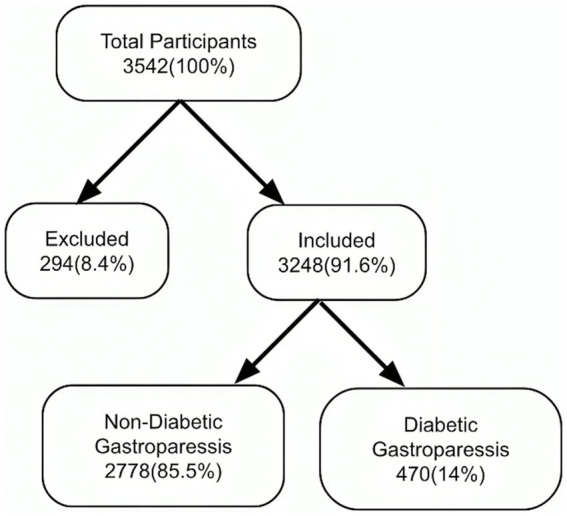 Figure 1
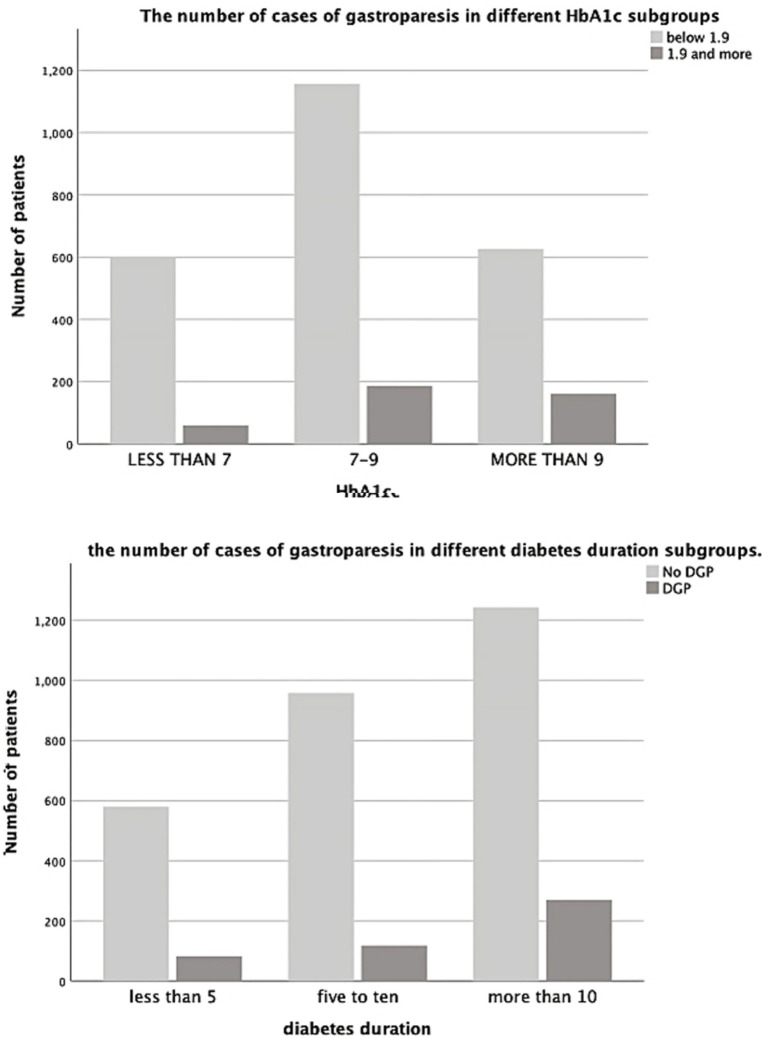 Figure 2
Peer Reviews
No public reviews on file for this paper yet. If you reviewed it on a platform where reviews are public (OpenReview, ICLR, NeurIPS, ICML), you can paste yours below so the community can read it here.
Videos
No videos yet. Explain this paper in a talk, walkthrough, or lecture? Add one.
Taxonomy
TopicsGastrointestinal motility and disorders · Acupuncture Treatment Research Studies · Pharmacology and Obesity Treatment