Proteome‐Wide Association Study for Finding Druggable Targets in Progression and Onset of Parkinson's Disease
Chenhao Gao, Haobin Zhou, Weixuan Liang, Zhuofeng Wen, Wanzhe Liao, Zhixin Xie, Cailing Liao, Limin He, Jingzhang Sun, Zhilin Chen, Duopin Li, Naijun Yuan, Chuiguo Huang, Jiewen Zhang

TL;DR
This study identifies 25 proteins linked to Parkinson's disease onset and progression, offering potential new drug targets for treatment.
Contribution
The study introduces 25 causal protein targets for Parkinson's disease using proteome-wide and genetic analyses.
Findings
16 plasma proteins are associated with Parkinson's disease progression, including cognitive, motor, and composite traits.
Nine plasma proteins are linked to Parkinson's disease onset, with GPNMB being significant in both plasma and brain tissues.
15 out of 25 identified proteins show potential for drug repurposing in Parkinson's treatment.
Abstract
To identify and validate causal protein targets that may serve as potential therapeutic interventions for both the onset and progression of Parkinson's disease (PD) through integrative proteomic and genetic analyses. We utilized large‐scale plasma and brain protein quantitative trait loci (pQTL) datasets from the deCODE Health study and the Religious Orders Study/Rush Memory and Aging Project (ROS/MAP), respectively. Proteome‐wide association studies (PWAS) were conducted using the OTTERS framework for plasma proteins and the FUSION tool for brain proteins, examining associations with PD onset and three progression phenotypes: composite, motor, and cognitive. Significant protein associations (FDR‐corrected p < 0.05) from PWAS were further validated using summary‐based Mendelian randomization (SMR), colocalization analyses, and reverse Mendelian randomization (MR) to establish…
Genes, proteins, chemicals, diseases, species, mutations and cell lines named across the full text — each resolved to its canonical identifier and authoritative record.
Click any figure to enlarge with its caption.
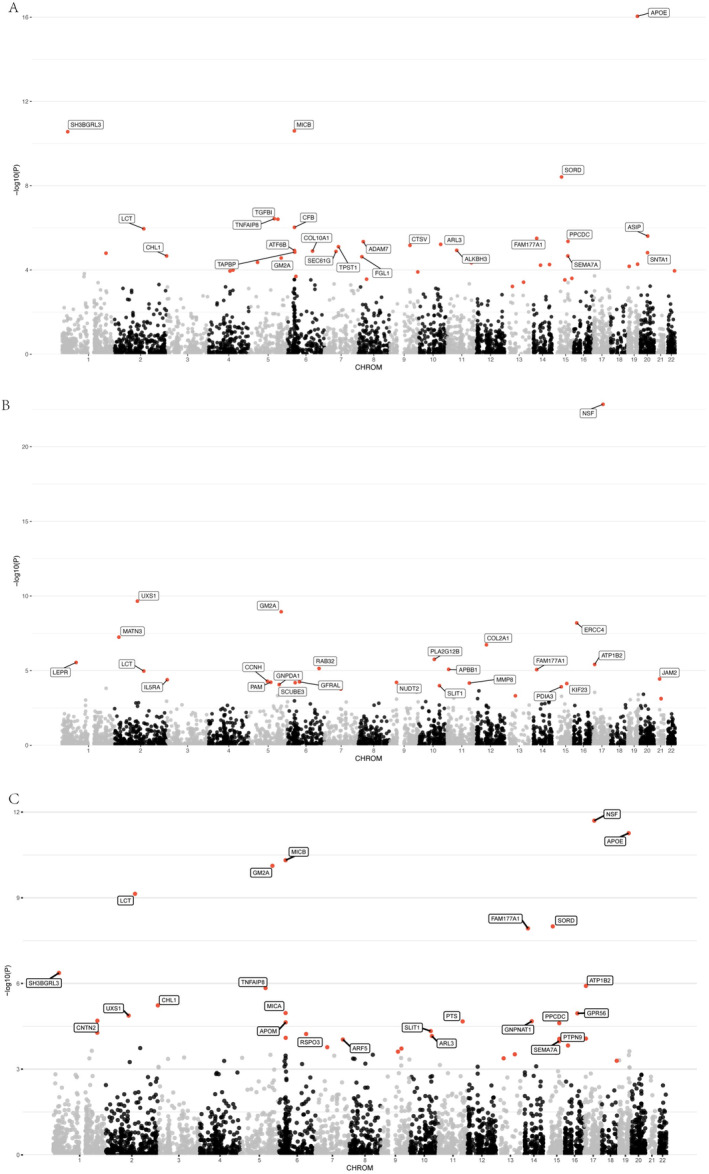 Figure 1
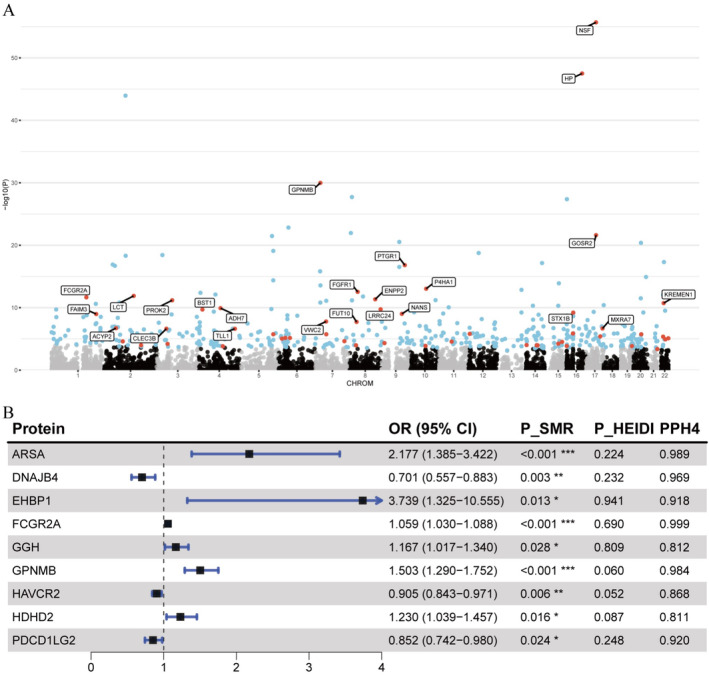 Figure 2
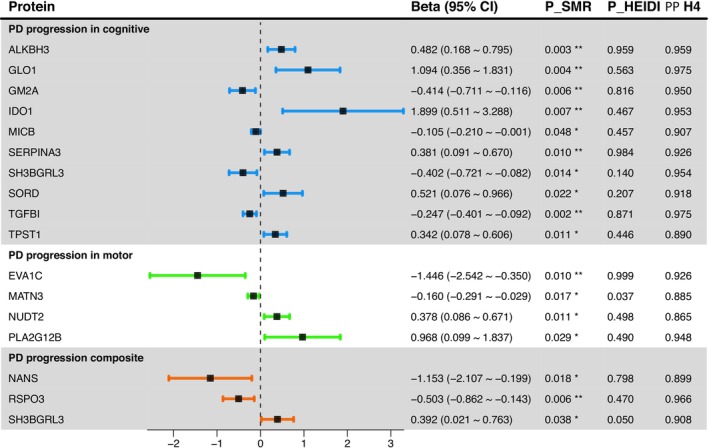 Figure 3
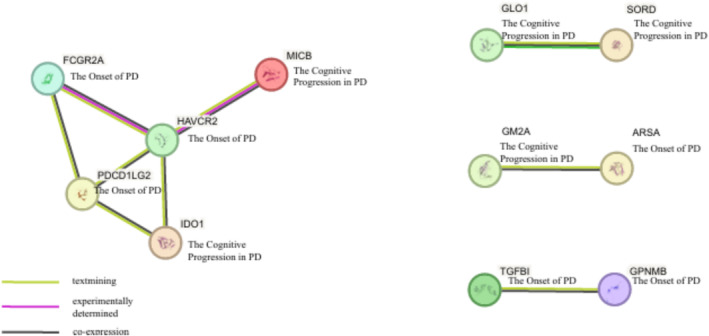 Figure 4
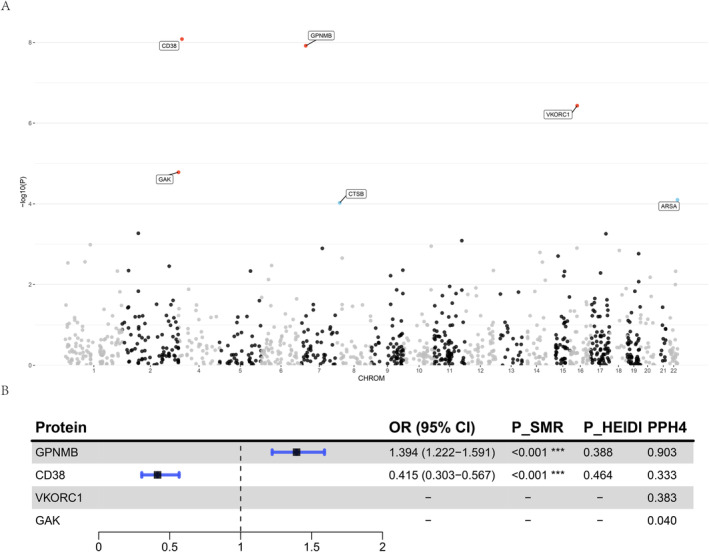 Figure 5
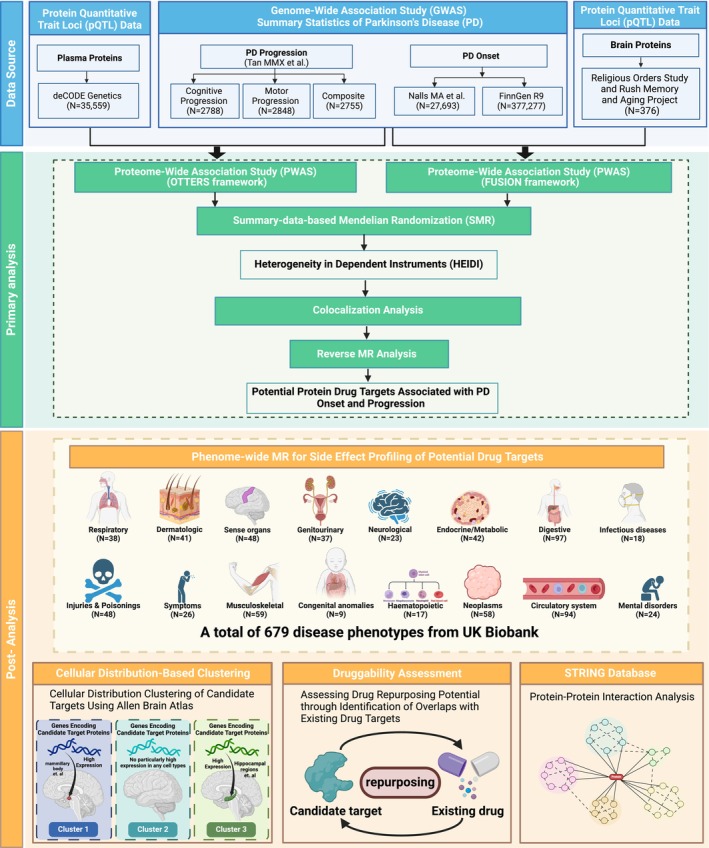 Figure 6
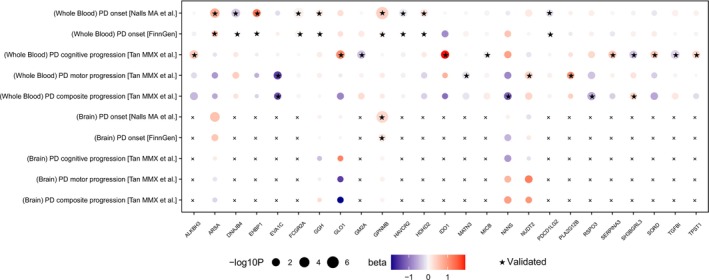 Figure 7
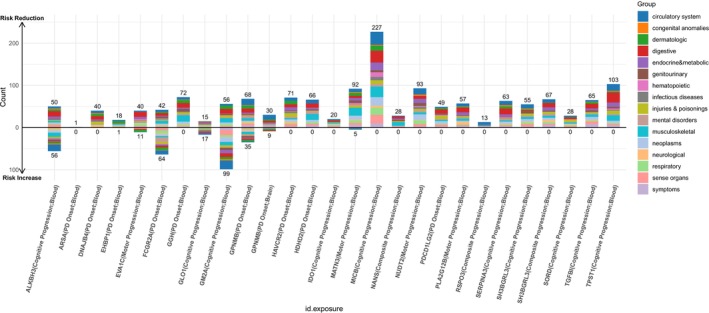 Figure 8
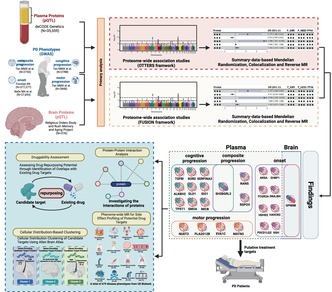 Figure 9
Peer Reviews
No public reviews on file for this paper yet. If you reviewed it on a platform where reviews are public (OpenReview, ICLR, NeurIPS, ICML), you can paste yours below so the community can read it here.
Videos
No videos yet. Explain this paper in a talk, walkthrough, or lecture? Add one.
Taxonomy
TopicsParkinson's Disease Mechanisms and Treatments · Genetic Associations and Epidemiology · Neurological diseases and metabolism