Simarouba berteroana Krug & Urb. Extracts and Fractions Possess Anthelmintic Activity Against Eggs and Larvae of Multidrug-Resistant Haemonchus contortus
Marcos Javier Espino Ureña, Albert Katchborian-Neto, José Ribamar Garcez Neto, Francisco Flávio da Silva Lopes, Selene Maia de Morais, Vitor Eduardo Narciso dos Reis, Carmen Lúcia Cardoso, Lorena Mayana Beserra de Oliveira, Claudio Viegas Jr., Marcos José Marques

TL;DR
A plant called Simarouba berteroana shows promise as a natural treatment for parasitic worm infections in small ruminants, especially against drug-resistant strains.
Contribution
This study is the first to demonstrate the ovicidal and larval exsheathment inhibition effects of S. berteroana extracts against multidrug-resistant Haemonchus contortus.
Findings
Hydroalcoholic and iso-butanol fractions of S. berteroana significantly inhibited Haemonchus contortus egg hatching.
Extracts and fractions caused structural damage to larvae, including evisceration and cuticle detachment.
Phenolic compounds in the extracts were responsible for inhibiting larval exsheathment.
Abstract
Gastrointestinal nematode infections pose a global threat to small ruminant production, worsened by the growing resistance to existing anthelmintic drugs. This study evaluated the in vitro anthelmintic activity and chemical profile of Simarouba berteroana extracts and fractions. High levels of phenolics, tannins, and flavonoids were quantified in crude extracts and medium- and high-polarity fractions; additionally, quassinoids, terpenoid quinones, phytosterol lipids, alkaloids, and naphthoquinones were annotated. The hydroalcoholic and iso-butanol fractions showed significant inhibitory effects on Haemonchus contortus egg hatching, and the extracts and fractions adhered to eggshells, leading to evisceration and cuticle detachment in larvae. Except for the hexane fraction, all tested extracts and fractions inhibited the exsheathment of third-stage larvae. These findings indicate S.…
Genes, proteins, chemicals, diseases, species, mutations and cell lines named across the full text — each resolved to its canonical identifier and authoritative record.
Click any figure to enlarge with its caption.
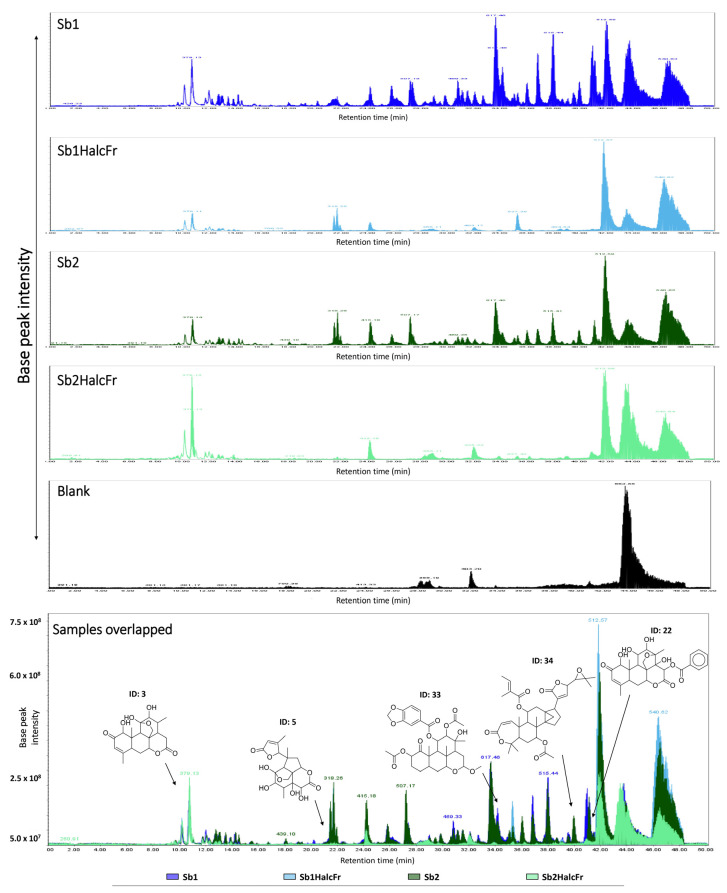 Figure 1
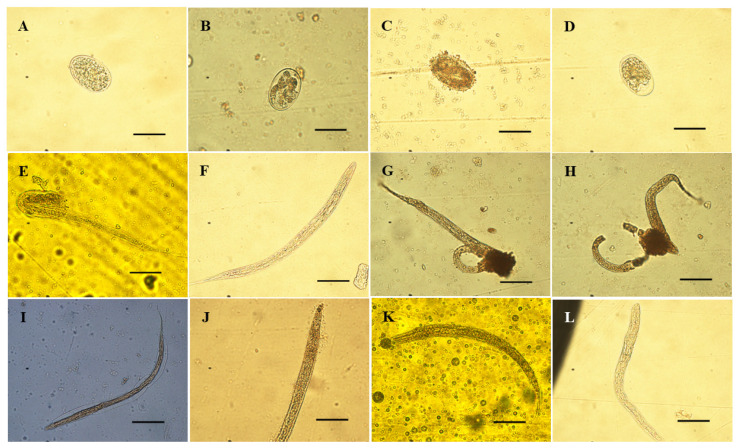 Figure 2
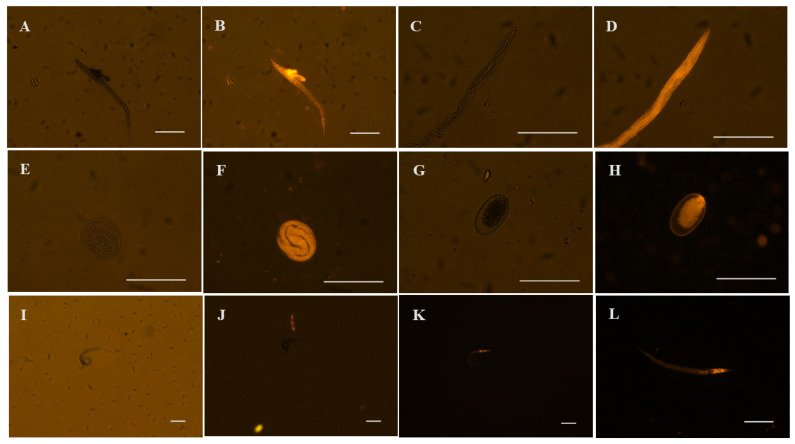 Figure 3
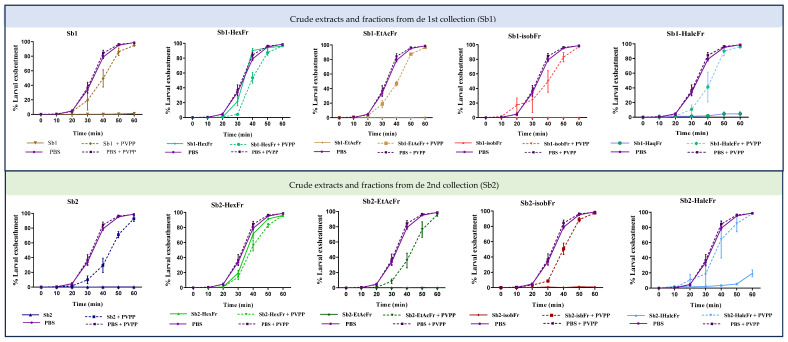 Figure 4
Peer Reviews
No public reviews on file for this paper yet. If you reviewed it on a platform where reviews are public (OpenReview, ICLR, NeurIPS, ICML), you can paste yours below so the community can read it here.
Videos
No videos yet. Explain this paper in a talk, walkthrough, or lecture? Add one.
Taxonomy
TopicsHelminth infection and control · Coccidia and coccidiosis research · Plant Toxicity and Pharmacological Properties