Methods Used to Assess Bull Sperm Chromatin Integrity and Its Correlation with In Vitro Embryo Production Efficiency
Matheus Vicente Silva, Lays Oliveira Rocha, Bruno Augusto Nassif Travençolo, Ednaldo Carvalho Guimarães, Marcelo Emilio Beletti

TL;DR
This study compares methods to assess bull sperm chromatin integrity and finds that acridine orange staining and TEM are most effective for predicting in vitro embryo production success.
Contribution
The study identifies AO staining and TEM as low-cost, effective methods for evaluating bull sperm chromatin integrity in field and lab settings.
Findings
AO staining and TEM showed strong correlations with in vitro embryo production efficiency.
Chromatin alterations detected by AO and TEM were most effective in predicting cleavage and embryonic development rates.
Alternative methods like TB and FR were less effective compared to AO and TEM.
Abstract
Sperm chromatin alterations are often a cause of subfertility in breeding bulls. Despite the significance of this pathology in bovine reproduction, it is frequently overlooked by veterinarians, as the standard method for evaluating chromatin alterations (SCSA—sperm chromatin structure assay) requires a flow cytometer, making it expensive and challenging to apply in field evaluations and assisted reproduction laboratories. This study tested alternative methods based on their efficiency, complexity, and cost, providing veterinarians with a basis for selecting the most appropriate method in each situation. The methods were as follows: difference in staining intensity with toluidine blue (TB) and the Feulgen reaction (FR), assessed both visually and computationally; visual evaluation of smears stained with acridine orange (AO) using epifluorescence and confocal microscopy; and evaluation…
Genes, proteins, chemicals, diseases, species, mutations and cell lines named across the full text — each resolved to its canonical identifier and authoritative record.
Click any figure to enlarge with its caption.
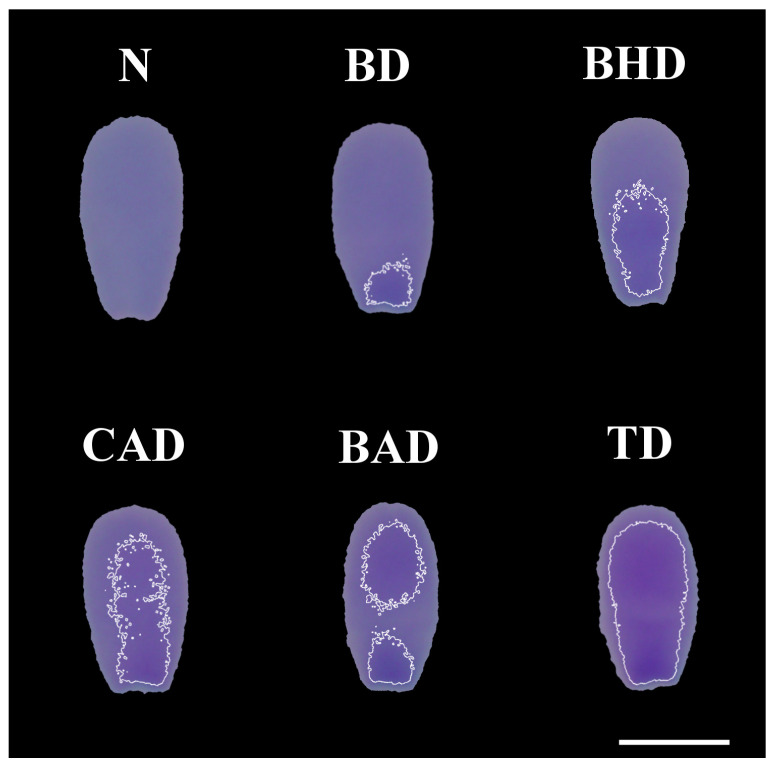 Figure 1
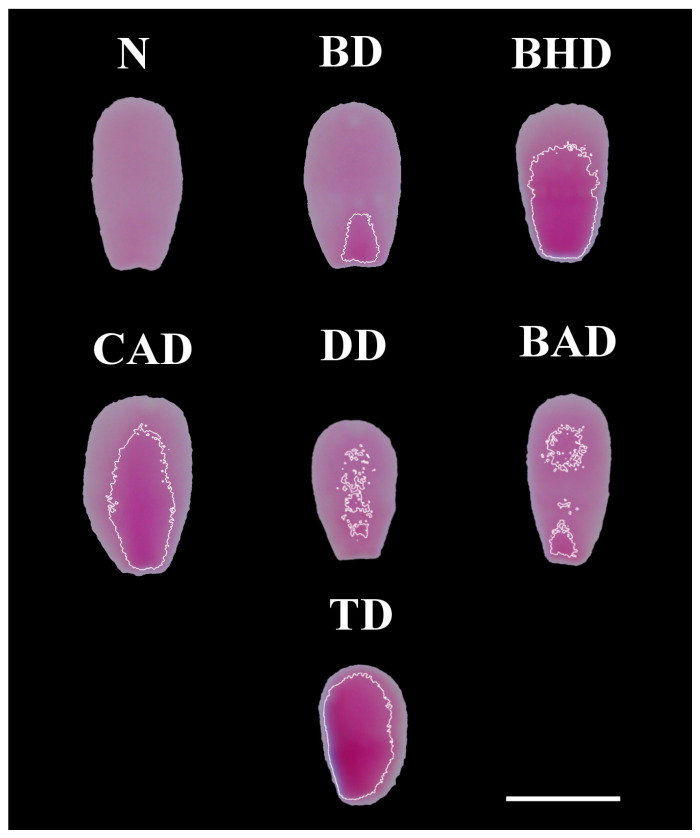 Figure 2
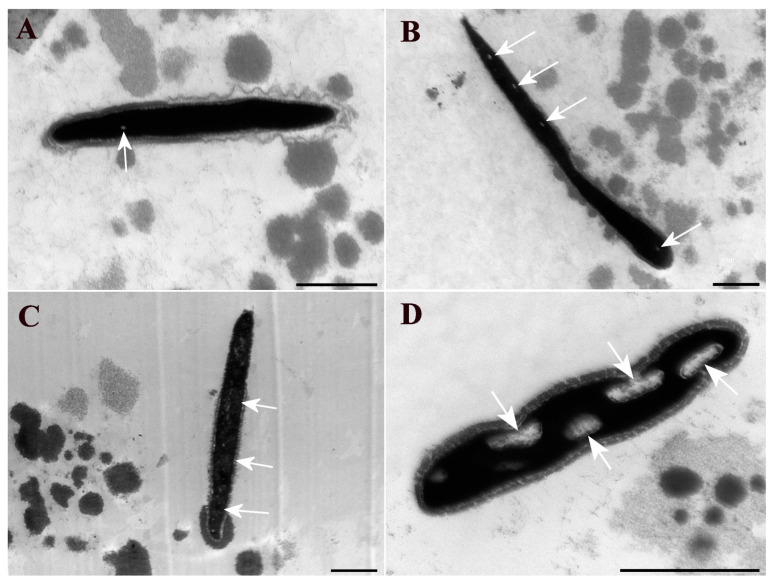 Figure 3
Peer Reviews
No public reviews on file for this paper yet. If you reviewed it on a platform where reviews are public (OpenReview, ICLR, NeurIPS, ICML), you can paste yours below so the community can read it here.
Videos
No videos yet. Explain this paper in a talk, walkthrough, or lecture? Add one.
Taxonomy
TopicsReproductive Biology and Fertility · Sperm and Testicular Function · Animal Genetics and Reproduction