Development of a Recombinase-Mediated Cassette Exchange System for Gene Knockout and Expression of Non-Native Gene Sequences in Rickettsia
Benjamin Cull, Nicole Y. Burkhardt, Benedict S. Khoo, Jonathan D. Oliver, Xin-Ru Wang, Lisa D. Price, Kamil Khanipov, Rong Fang, Ulrike G. Munderloh

TL;DR
Researchers developed a new genetic tool for Rickettsia to study gene function and create vaccines by inserting and replacing non-native sequences.
Contribution
A recombinase-mediated cassette exchange system was developed for gene modification in Rickettsia.
Findings
The system enabled insertion of transposons with fluorescent and antibiotic resistance genes into Rickettsia parkeri.
RMCE successfully replaced transposons with cassettes containing Anaplasma antigens for vaccine testing in mice.
The method shows promise for studying gene function and developing live-attenuated vaccines for rickettsial diseases.
Abstract
Background/Objectives: Incidence of vector-borne diseases, including rickettsioses and anaplasmosis, has been increasing in many parts of the world. The obligate intracellular nature of rickettsial pathogens has hindered the development of robust genetic tools for the study of gene function and the identification of therapeutic targets. Transposon mutagenesis has contributed to recent progress in the identification of virulence factors in this important group of pathogens. Methods: Combining the efficiency of the himar1 transposon method with a recombinase-mediated system, we aimed to develop a genetic tool enabling the exchange of the transposon with a cassette encoding non-native sequences. Results: This approach was used in Rickettsia parkeri to insert a himar1 transposon encoding fluorescent protein and antibiotic resistance genes for visualization and selection, flanked by…
Genes, proteins, chemicals, diseases, species, mutations and cell lines named across the full text — each resolved to its canonical identifier and authoritative record.
Click any figure to enlarge with its caption.
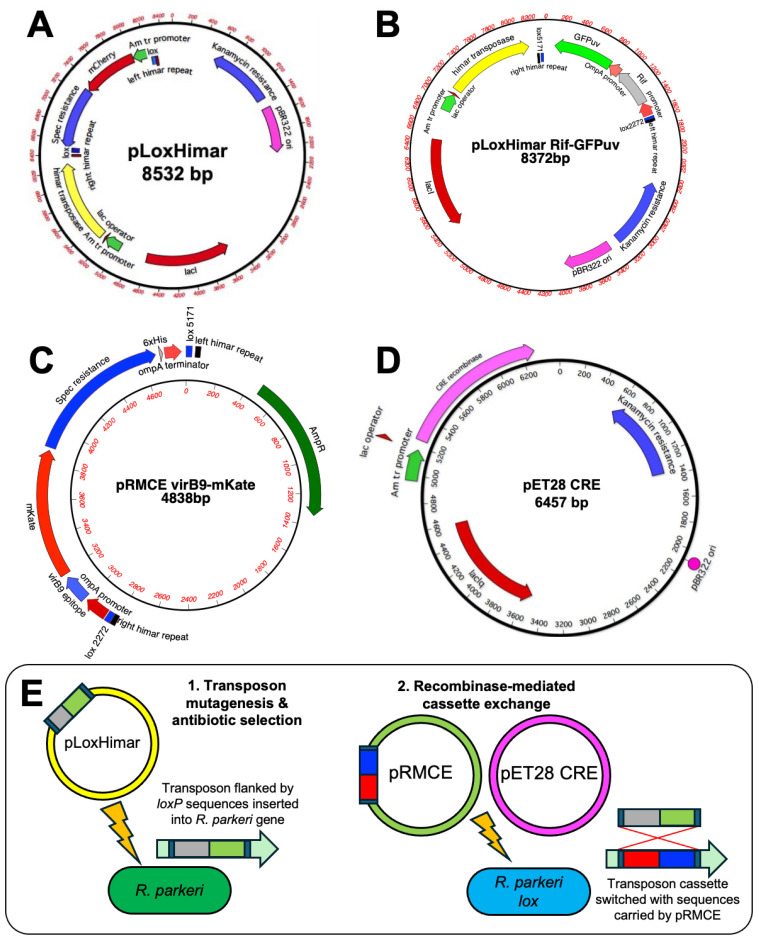 Figure 1
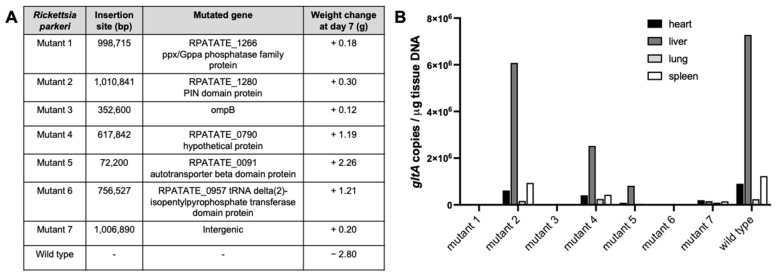 Figure 2
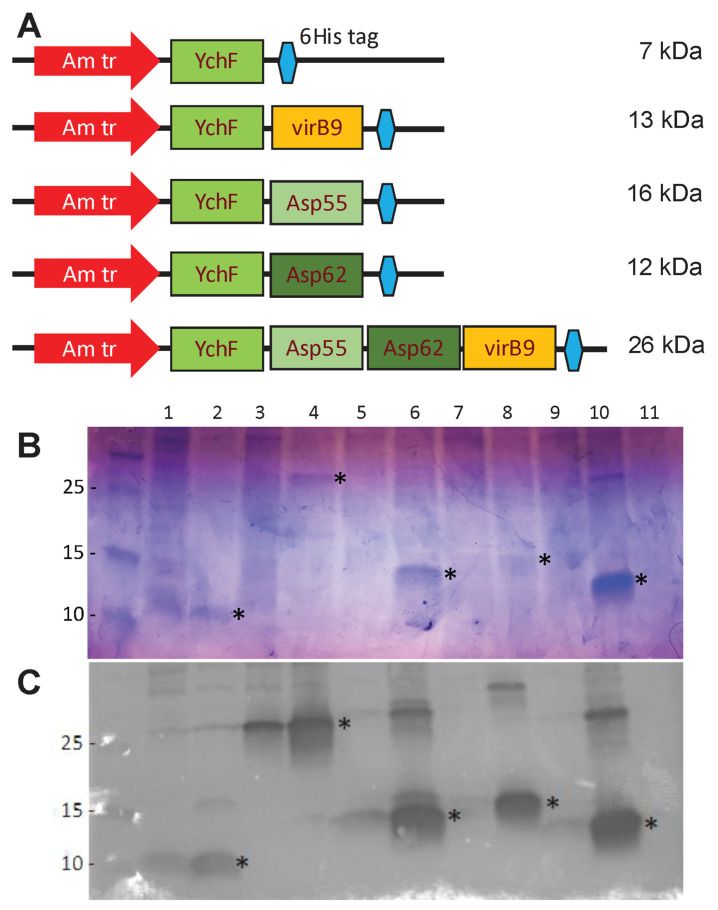 Figure 3
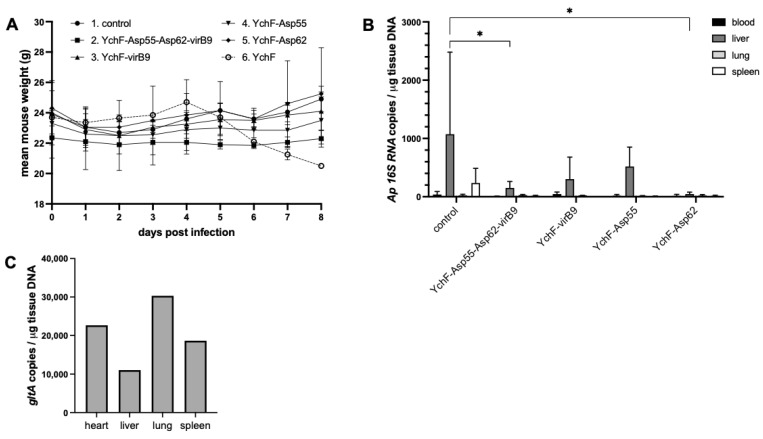 Figure 4
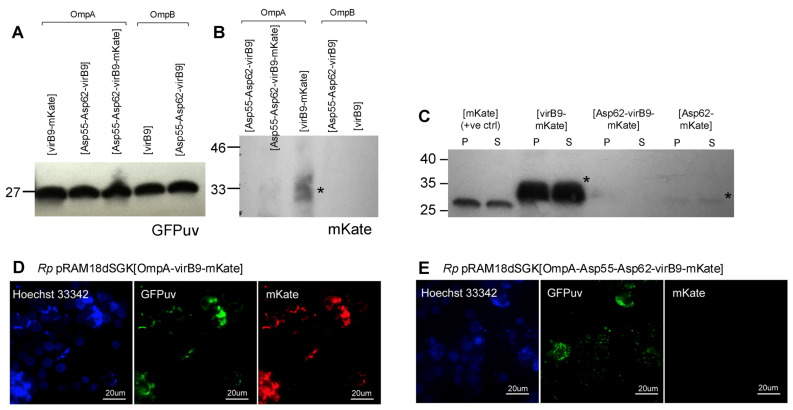 Figure 5
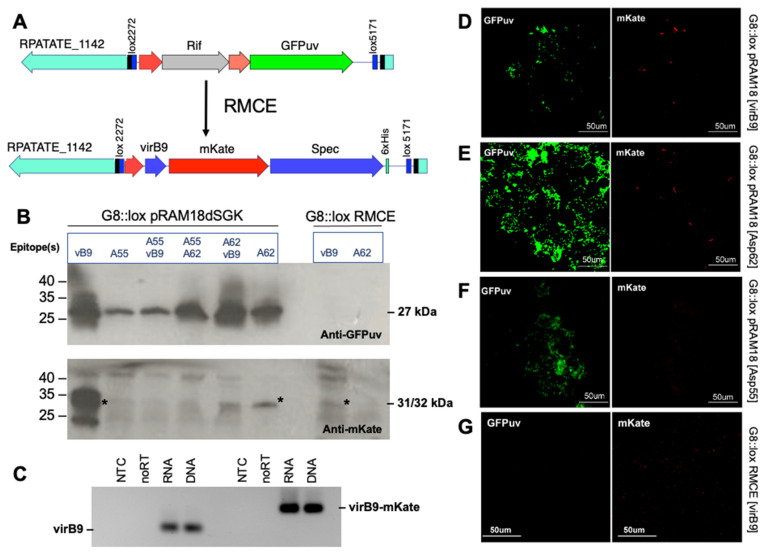 Figure 6
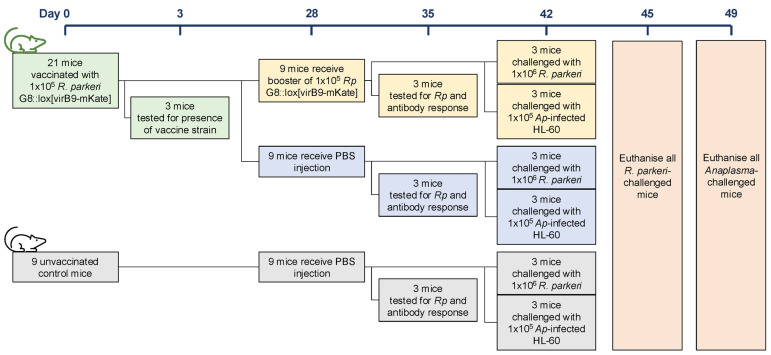 Figure 7
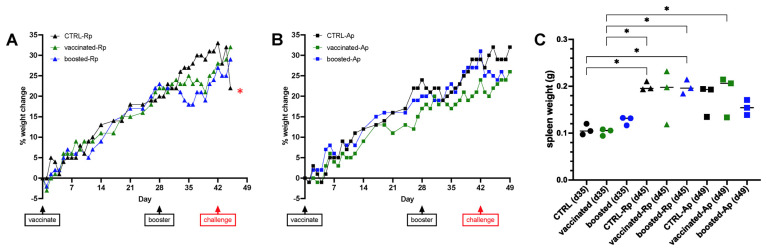 Figure 8
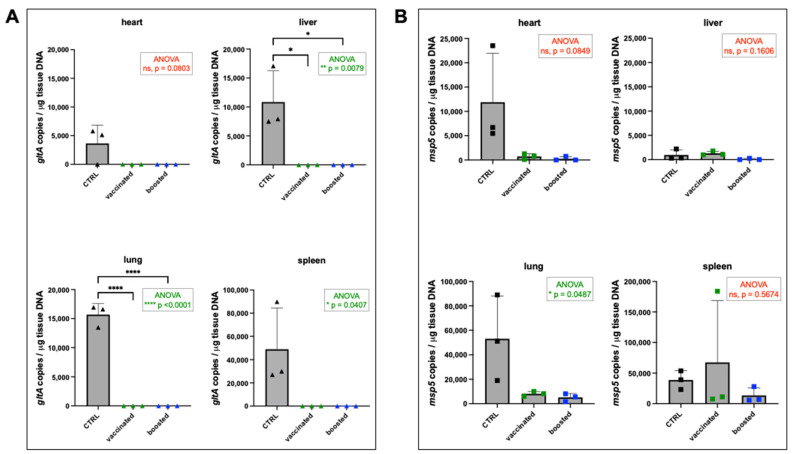 Figure 9
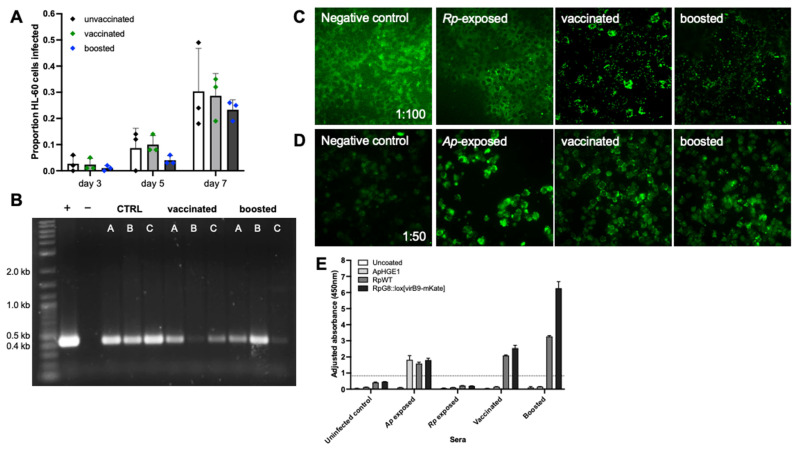 Figure 10
Peer Reviews
No public reviews on file for this paper yet. If you reviewed it on a platform where reviews are public (OpenReview, ICLR, NeurIPS, ICML), you can paste yours below so the community can read it here.
Videos
No videos yet. Explain this paper in a talk, walkthrough, or lecture? Add one.
Taxonomy
TopicsVector-borne infectious diseases · Mosquito-borne diseases and control · Insect symbiosis and bacterial influences