Genomic Analysis of 96 Paenibacillus larvae Bacteriophages Including 26 from Aotearoa, New Zealand
Danielle N. Kok, Sophia P. Gosselin, Brenham Howard, Steven G. Cresawn, Philippos K. Tsourkas, Heather L. Hendrickson

TL;DR
This study analyzes 96 phage genomes infecting Paenibacillus larvae, a bacterium causing honey bee disease, and identifies new insights into their genomic diversity and potential use as antibiotics.
Contribution
The study expands the global dataset of Paenibacillus larvae phage genomes and identifies new genomic clusters and toxin gene associations.
Findings
26 new Paenibacillus larvae phage genomes from New Zealand were sequenced and grouped into existing genomic clusters.
Most phages are temperate, with three possibly being lytic, and all encode a specific lysin enzyme.
Six phages and a prophage contain the Plx1 toxin gene, suggesting potential mobility.
Abstract
The bacterium Paenibacillus larvae is responsible for the devastating honey bee (Apis mellifera) disease American Foulbrood. Research into bacteriophages that infect P. larvae is growing rapidly due to increasing antibiotic resistance and restrictions on antibiotic use in beehives in some countries. In this study, we present the sequenced and annotated genomes of 26 novel P. larvae phages recently isolated in New Zealand, which brings the total number of sequenced and annotated P. larvae phages to 96. The 26 novel phages belong to the pre-existing Vegas or Harrison clusters. We performed a comprehensive genomic analysis of all 96 phage genomes, grouping them into five divergent clusters and two singletons. The majority of these phages are temperate, with the possible exception of three phages that may be lytic. All 96 of these phages encode an N-acteylmuramoyl-L-alanine amidase that…
Genes, proteins, chemicals, diseases, species, mutations and cell lines named across the full text — each resolved to its canonical identifier and authoritative record.
Click any figure to enlarge with its caption.
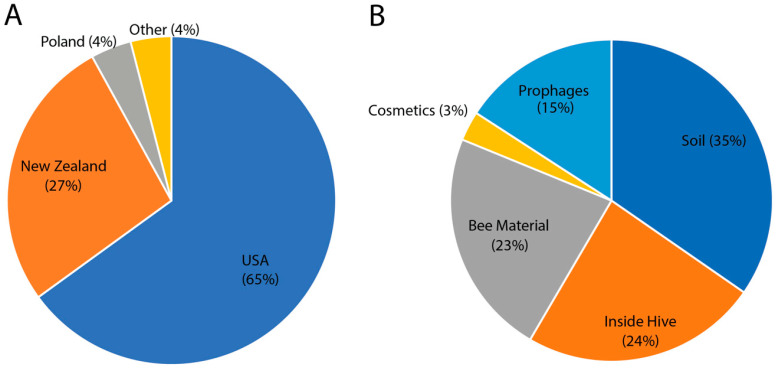 Figure 1
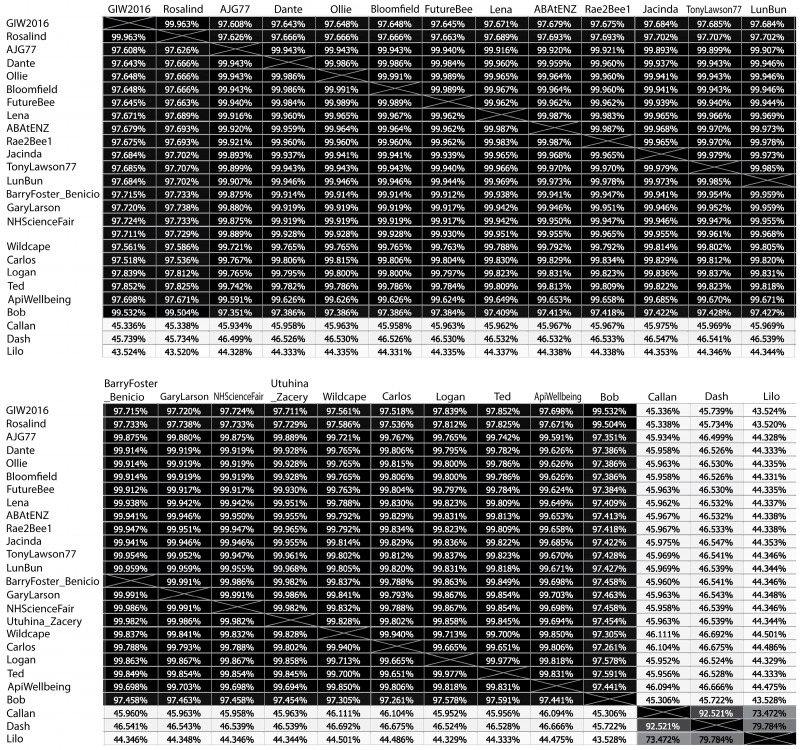 Figure 2
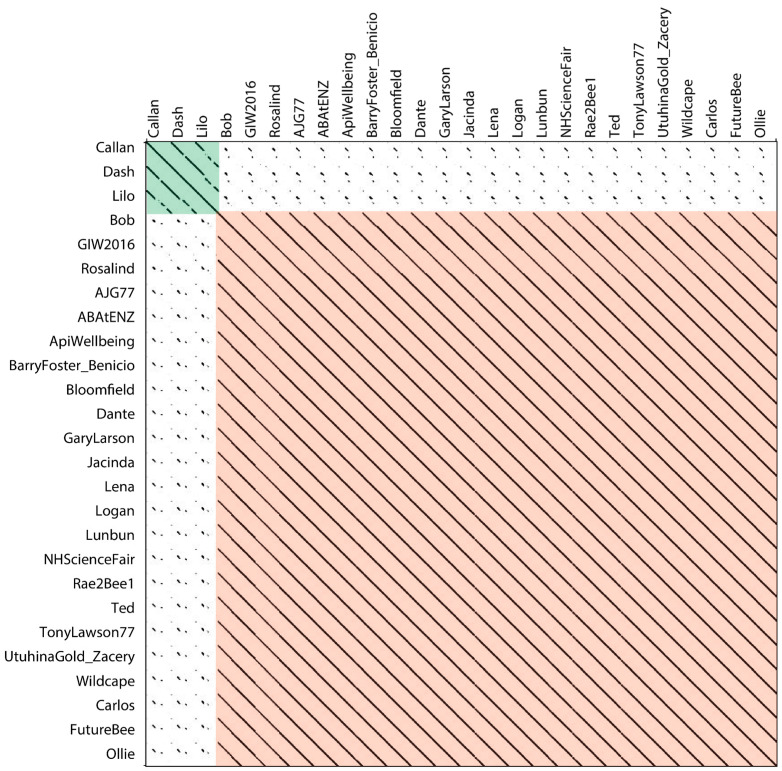 Figure 3
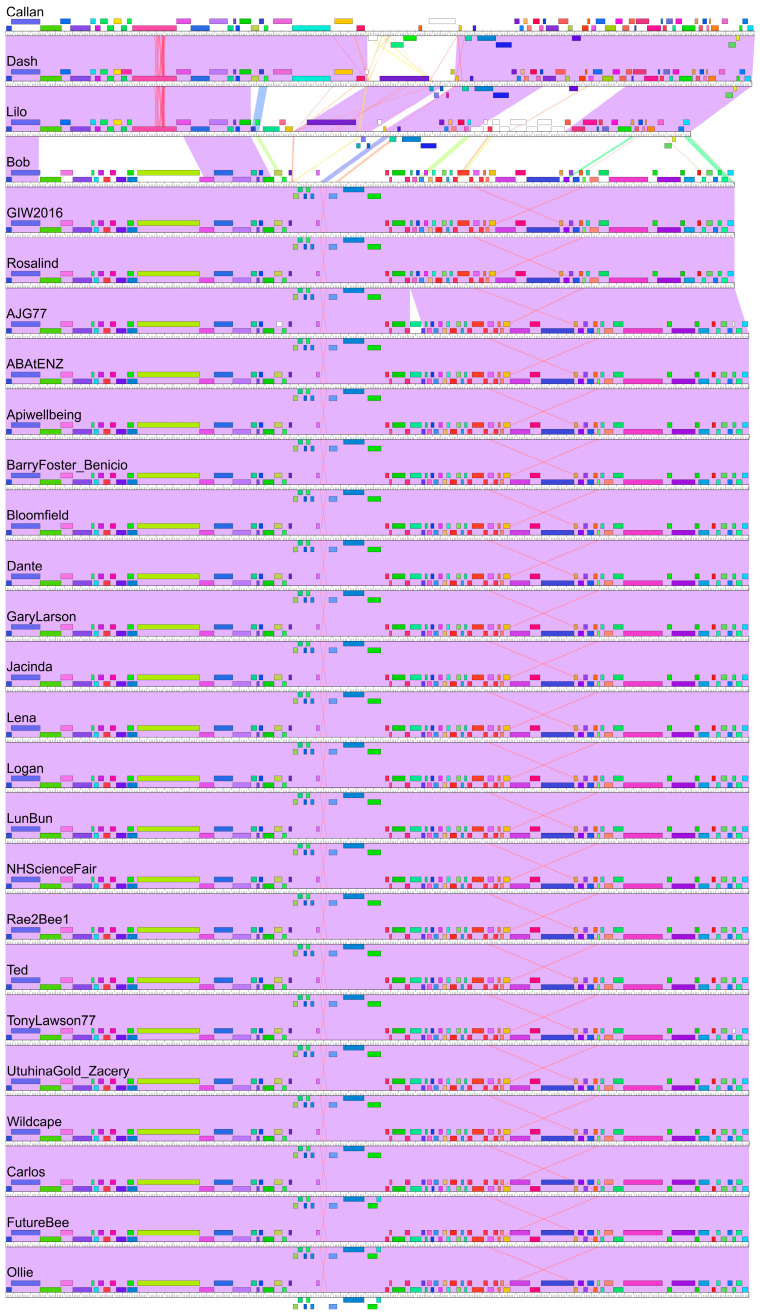 Figure 4
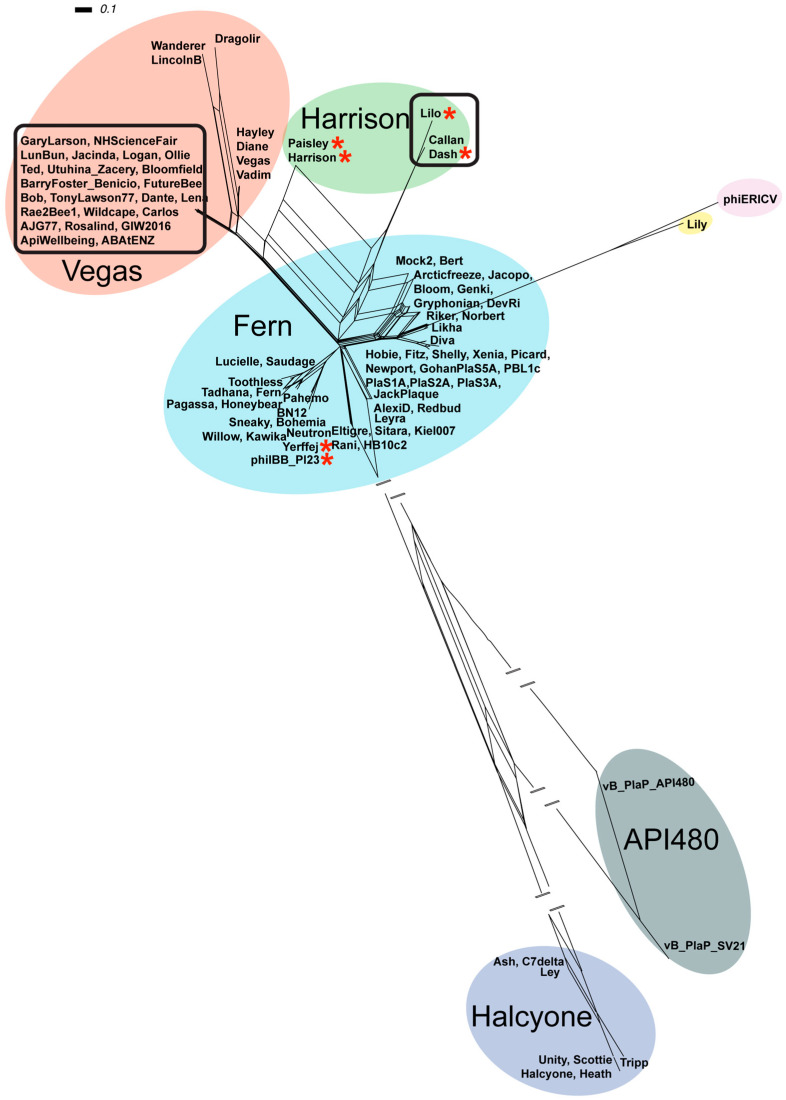 Figure 5
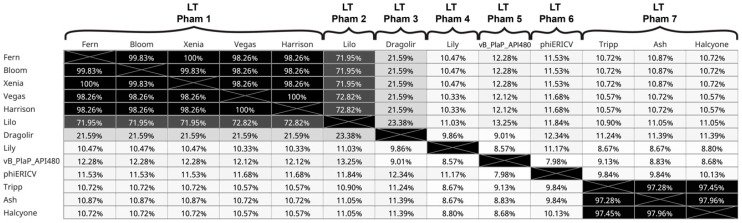 Figure 6
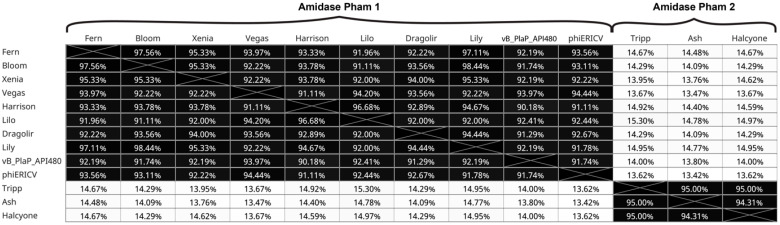 Figure 7
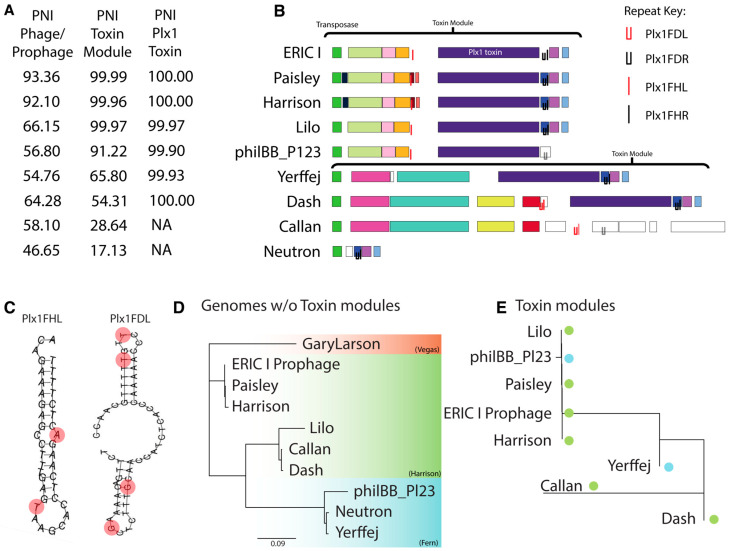 Figure 8
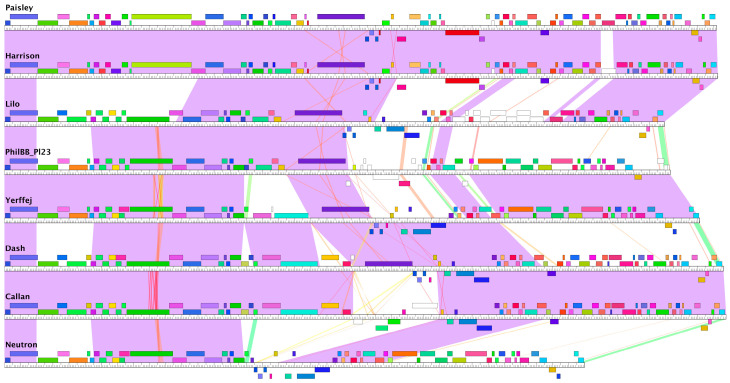 Figure 9
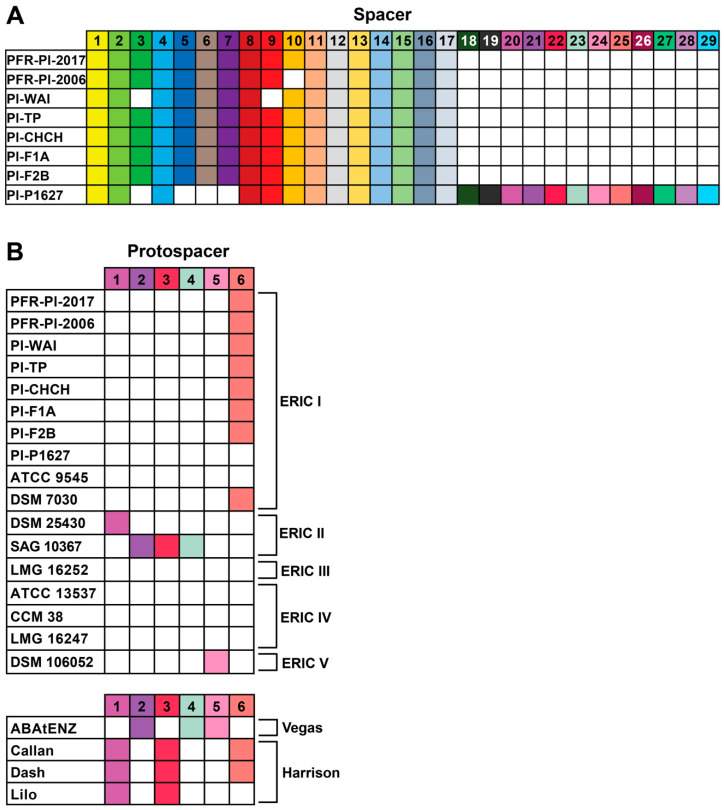 Figure 10
Peer Reviews
No public reviews on file for this paper yet. If you reviewed it on a platform where reviews are public (OpenReview, ICLR, NeurIPS, ICML), you can paste yours below so the community can read it here.
Videos
No videos yet. Explain this paper in a talk, walkthrough, or lecture? Add one.
Taxonomy
TopicsBacteriophages and microbial interactions · Insect and Pesticide Research · Plant Virus Research Studies