Effect of Neonatal Interventions with Specific Micronutrients and Bovine Colostrum on Micronutrient and Oxidative Statuses and on Gut Microbiota in Piglets from Birth to Post-Weaning Period
Lucie Galiot, Isabelle Audet, Bazoumana Ouattara, Nathalie Bissonnette, Guylaine Talbot, Frédéric Raymond, Thomas Deschênes, Martin Lessard, Jérôme Lapointe, Frédéric Guay, Jean Jacques Matte

TL;DR
This study explores how supplementing piglets or their mothers with specific nutrients and colostrum affects piglet health, micronutrient levels, and gut bacteria from birth to weaning.
Contribution
The study reveals that maternal supplementation, especially in low birth weight piglets, benefits gut microbiota diversity, while direct piglet supplementation has limited long-term effects.
Findings
Supplementing piglets with micronutrients and colostrum increased postnatal micronutrient levels during lactation but not after weaning.
Maternal supplementation improved gut microbiota richness in piglets, particularly in low birth weight individuals.
Antioxidant status was not significantly affected by any of the supplementation strategies.
Abstract
Placental and colostral transfers of copper and vitamins A and D, key micronutrients for antioxidant metabolism and the development of immunity and intestinal microbiota, are limited in pig species. Hence, supplementing the three above-mentioned micronutrients indirectly through sow’s diets or directly to suckling piglets along with a bovine colostrum extract might contribute to the robustness and health of piglets and eventually to their growth performance during the pre- and post-weaning period. The present results indicated that direct supplementations of micronutrients to piglets with or without a bovine colostrum extract, though efficient in transiently increasing the postnatal micronutrient status during lactation, had no apparent impact on responses to oxidative stress or gut microbiota in suckling and post-weaned piglets. Similar responses were observed from supplementations…
Genes, proteins, chemicals, diseases, species, mutations and cell lines named across the full text — each resolved to its canonical identifier and authoritative record.
Click any figure to enlarge with its caption.
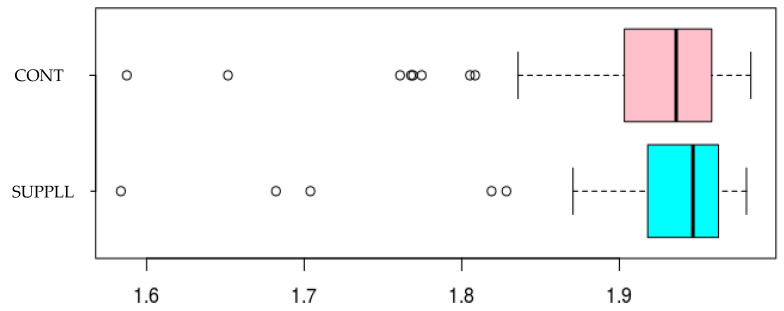 Figure 1
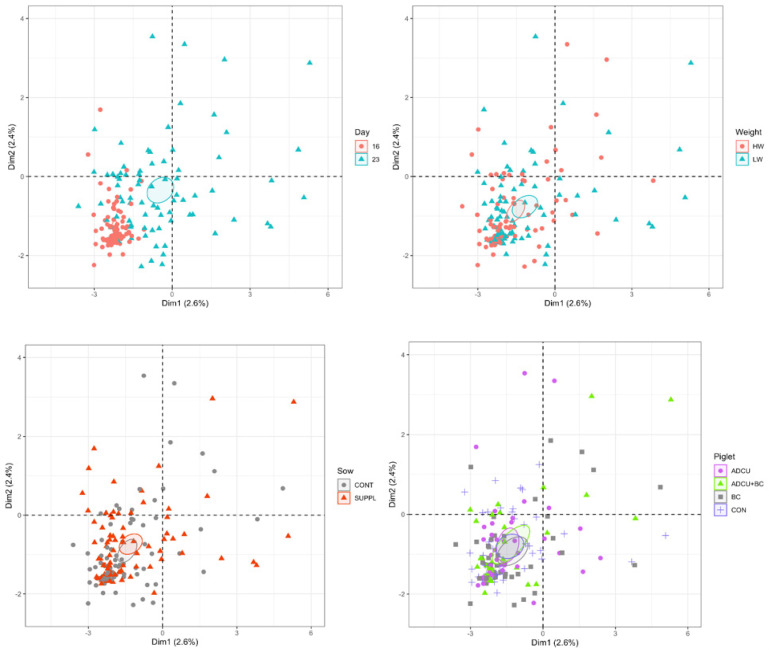 Figure 2
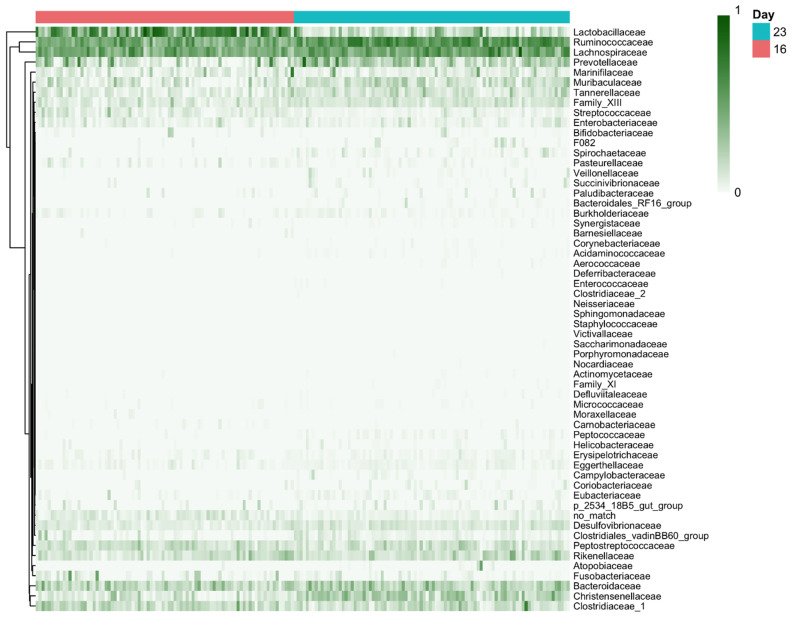 Figure 3
Peer Reviews
No public reviews on file for this paper yet. If you reviewed it on a platform where reviews are public (OpenReview, ICLR, NeurIPS, ICML), you can paste yours below so the community can read it here.
Videos
No videos yet. Explain this paper in a talk, walkthrough, or lecture? Add one.
Taxonomy
TopicsChild Nutrition and Water Access · Animal health and immunology · Infant Nutrition and Health