Epidemiological Dynamics and Trends of Dengue Outbreaks in Sao Tome and Principe: A Comprehensive Retrospective Analysis (2022–2024)
Sousa Lazaro, Vilfrido Santana Gil, Ivando Carvalho Viegas de Ceita, Isaulina Neto Viegas Barreto, Eula Carvalho Batista Sousa Maquengo, Andreza Batista de Sousa, Bakissy da Costa Pina, Tieble Traore, Alimuddin Zumla, John Otokoye Otshudiema

TL;DR
This study analyzed dengue outbreaks in Sao Tome and Principe from 2022 to 2024, finding that heavy rainfall strongly influences transmission and that older adults are particularly vulnerable.
Contribution
The study provides the first comprehensive analysis of dengue epidemiology in Sao Tome and Principe, highlighting rainfall's role and age-specific vulnerability patterns.
Findings
Rainfall was the strongest predictor of dengue transmission, explaining 92% of case variance.
The highest incidence rate was observed in the 70–79 age group despite most cases occurring in younger adults.
The Água Grande district accounted for 68.2% of all dengue cases.
Abstract
Background: Dengue has emerged as a significant public health concern in Sao Tome and Principe, with the first documented outbreak occurring between 2022 and 2024. This study examined the epidemiological patterns, environmental determinants, and demographic characteristics of dengue transmission during this period. Methods: We conducted a comprehensive retrospective analysis of laboratory-confirmed dengue cases using national surveillance data, clinical records, and environmental monitoring data. Statistical analyses included demographic profiling, temporal trend assessment, and environmental correlation studies using multiple regression modeling. Results: Among 1264 laboratory-confirmed cases, we observed distinct age-specific vulnerability patterns, with the highest incidence rate in the 70–79 age group (829.6 per 100,000) despite most cases occurring in younger adults. Rainfall…
Genes, proteins, chemicals, diseases, species, mutations and cell lines named across the full text — each resolved to its canonical identifier and authoritative record.
Click any figure to enlarge with its caption.
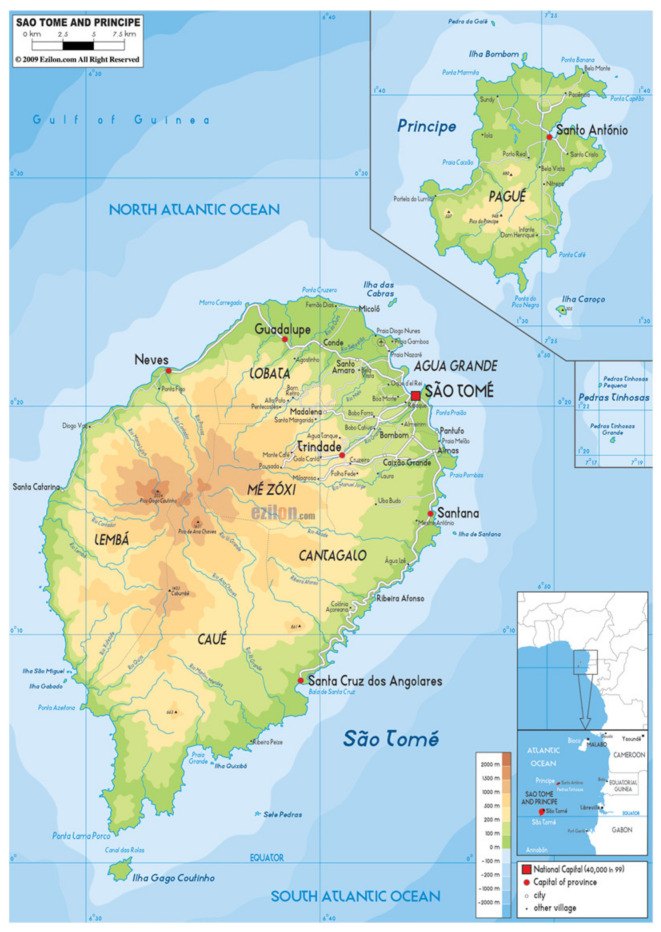 Figure 1
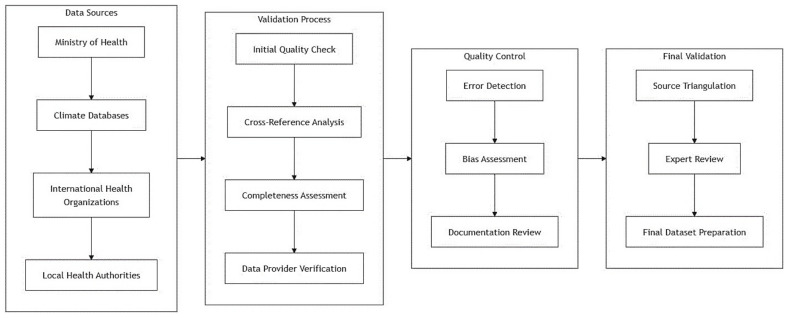 Figure 2
Peer Reviews
No public reviews on file for this paper yet. If you reviewed it on a platform where reviews are public (OpenReview, ICLR, NeurIPS, ICML), you can paste yours below so the community can read it here.
Videos
No videos yet. Explain this paper in a talk, walkthrough, or lecture? Add one.
Taxonomy
TopicsMosquito-borne diseases and control · Malaria Research and Control · Viral Infections and Vectors