Mechanistic Insights into the Therapeutic Efficacy of Qi Ling Gui Fu Prescription in Broiler Ascites Syndrome: A Network Pharmacology and Experimental Study
Jie Kang, Ruiqiang Deng, Keyao Wang, Huimin Wang, Yufeng Han, Zhibian Duan

TL;DR
This study investigates how Qi Ling Gui Fu Prescription treats broiler ascites syndrome by targeting vascular smooth muscle and the MAPK signaling pathway.
Contribution
The study provides new mechanistic insights into QLGFP's therapeutic effects on broiler ascites syndrome via network pharmacology and experimental validation.
Findings
QLGFP's active compounds inhibit phenotypic transformation of vascular smooth muscle in broiler ascites syndrome.
The MAPK signaling pathway is a key target of QLGFP in treating broiler ascites syndrome.
QLGFP reduces ascites cardiac index and suppresses MAPK pathway proteins in experimental models.
Abstract
In this research, we explored the active components and therapeutic mechanisms of QLGFP for treating broiler AS using a network pharmacology approach. A total of 267 active compounds were isolated, of which the main active components were Dihydrokaranone, Tanshiquinone B, Neotanshinone C, etc. Bioinformatics analysis and an animal experiment indicated that the MAPK signalling pathway is the key target for QLGFP and their active compounds to improve the AS broilers by inhibiting phenotypic transformation of vascular smooth muscle. Our findings provide a scientific basis for the clinical efficacy of QLGFP in the treatment of broiler AS and a solid foundation for further elucidation of the active components and mechanism of action of QLGFP in the treatment of broiler AS. This study delves into the therapeutic potential of Qi Ling Gui Fu Prescription (QLGFP) in broiler ascites syndrome…
Genes, proteins, chemicals, diseases, species, mutations and cell lines named across the full text — each resolved to its canonical identifier and authoritative record.
Click any figure to enlarge with its caption.
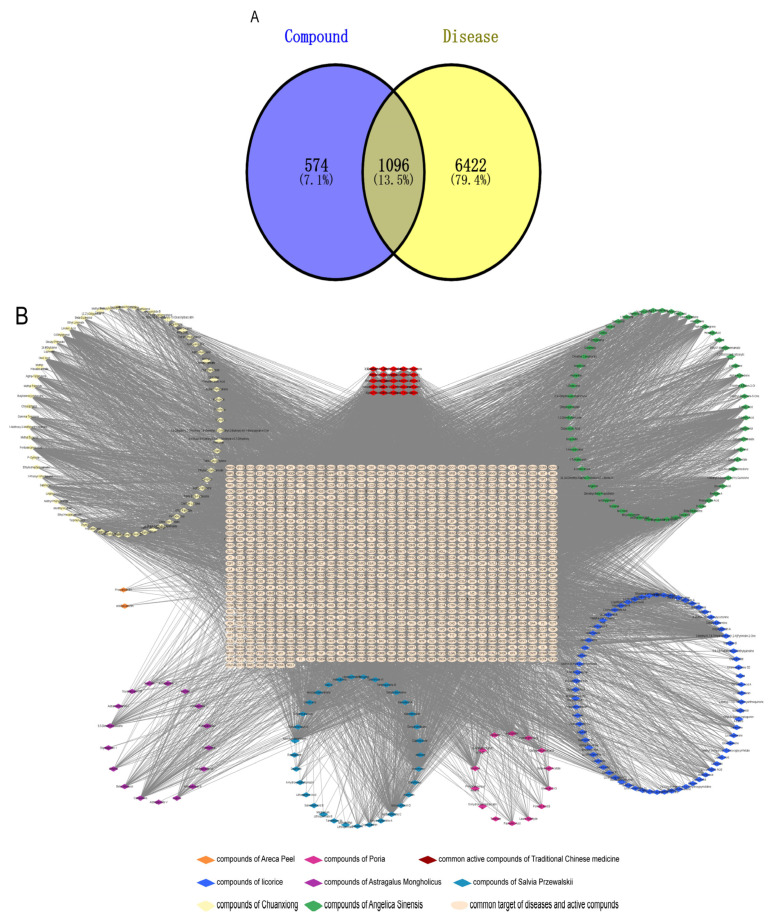 Figure 1
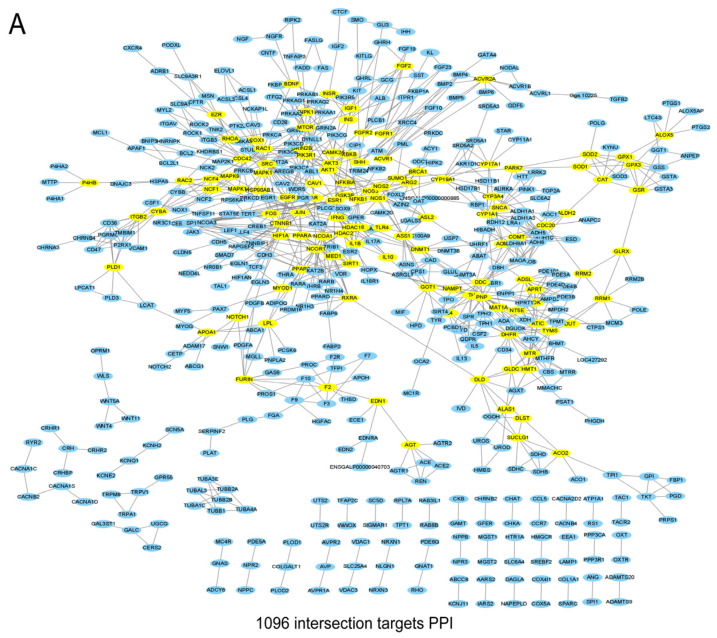 Figure 2
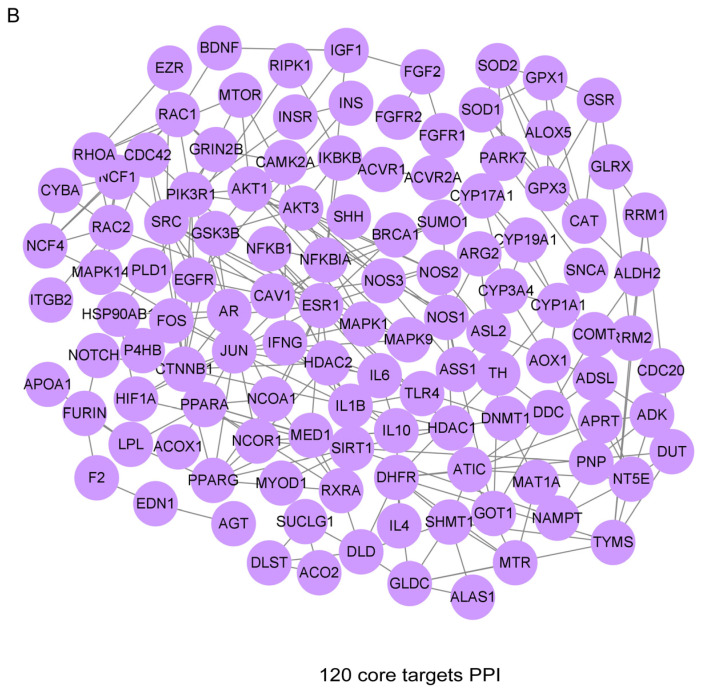 Figure 3
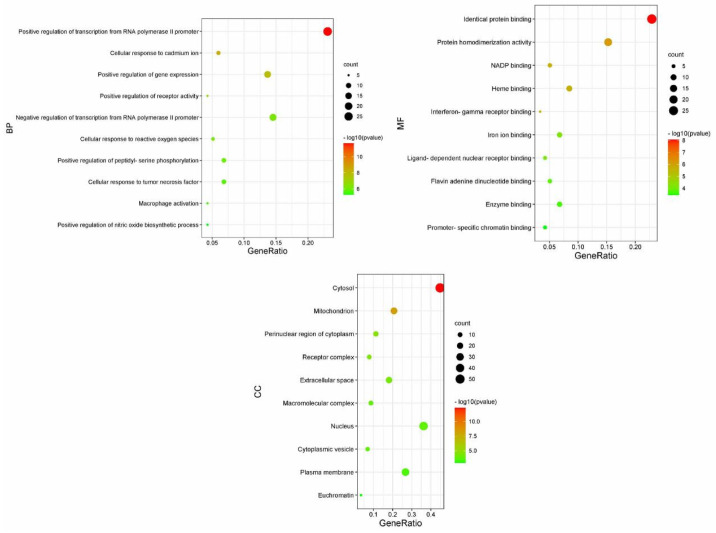 Figure 4
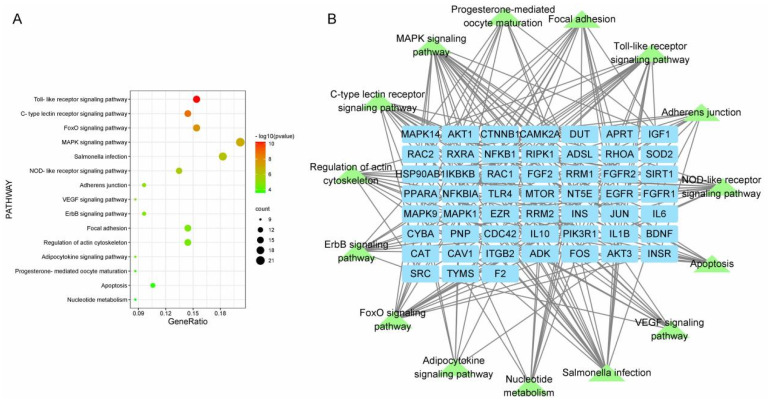 Figure 5
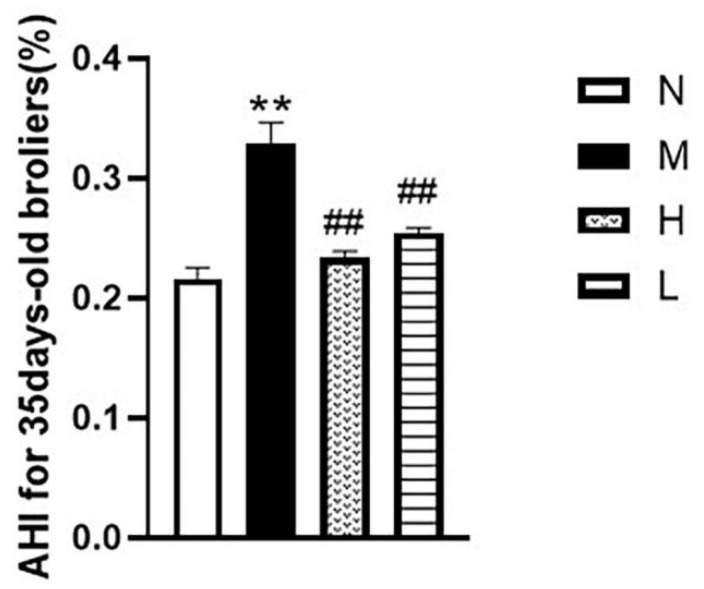 Figure 6
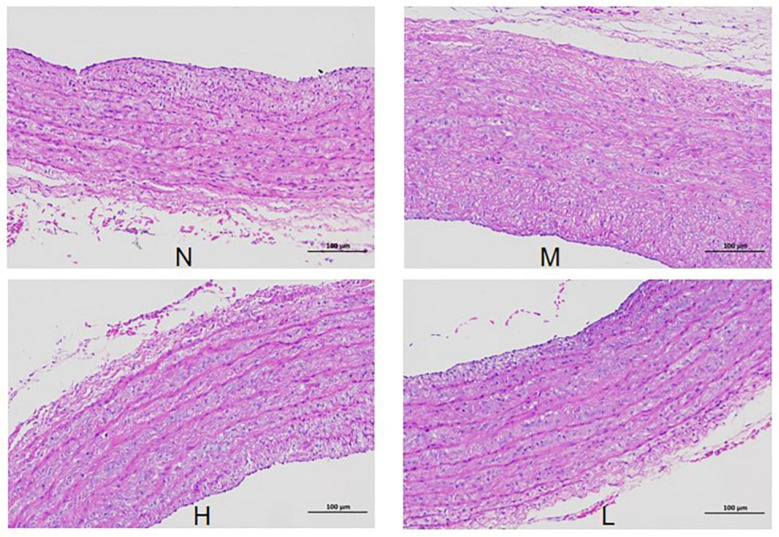 Figure 7
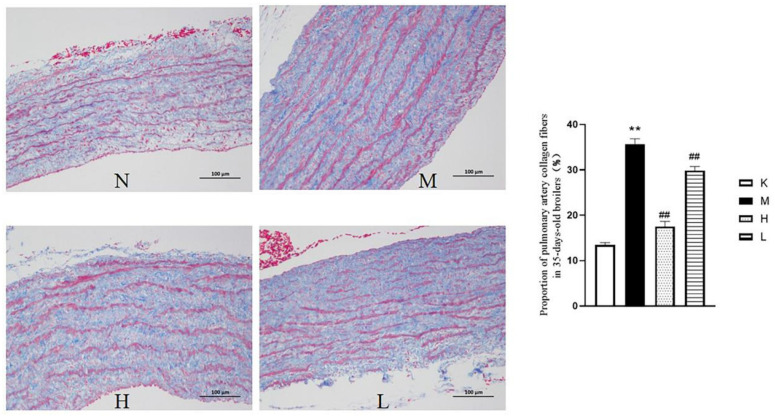 Figure 8
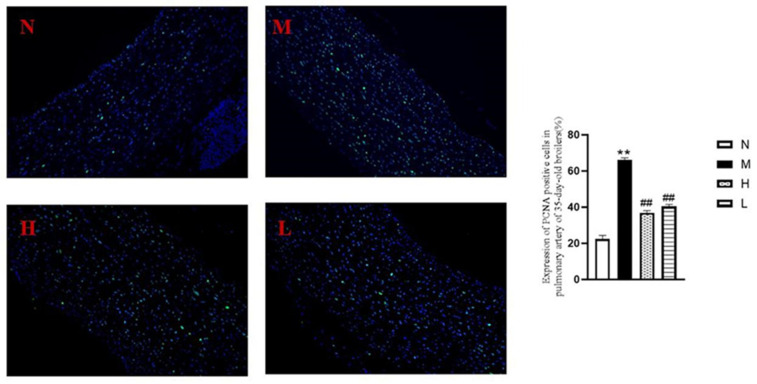 Figure 9
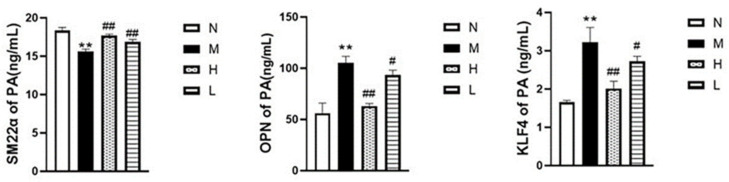 Figure 10
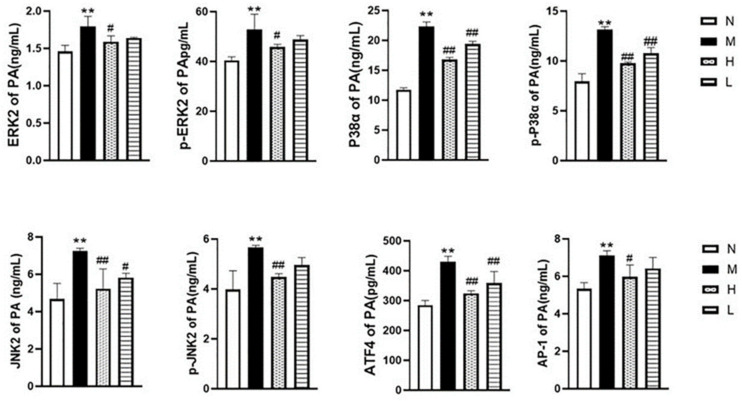 Figure 11
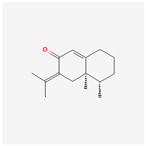 Figure 12
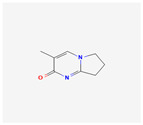 Figure 13
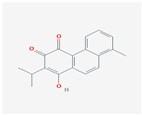 Figure 14
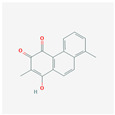 Figure 15
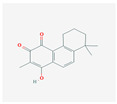 Figure 16
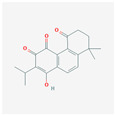 Figure 17
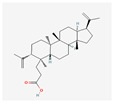 Figure 18
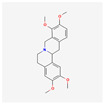 Figure 19
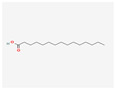 Figure 20
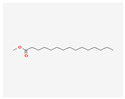 Figure 21
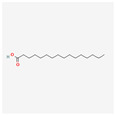 Figure 22
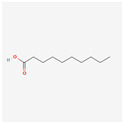 Figure 23
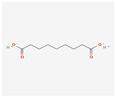 Figure 24
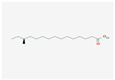 Figure 25
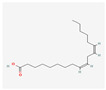 Figure 26
Peer Reviews
No public reviews on file for this paper yet. If you reviewed it on a platform where reviews are public (OpenReview, ICLR, NeurIPS, ICML), you can paste yours below so the community can read it here.
Videos
No videos yet. Explain this paper in a talk, walkthrough, or lecture? Add one.
Taxonomy
TopicsTraditional Chinese Medicine Analysis · Genomics, phytochemicals, and oxidative stress · Physiological and biochemical adaptations