Immunohistochemical Analysis of Inter-Alpha-Trypsin Inhibitor Heavy Chain 2 and Enolase 1 in Canine Mammary Tumors: Associations with Tumor Aggressiveness and Prognostic Significance
Luadna dos Santos e Silva, Pedro Henrique Fogaça Jordão, Beatriz Castilho Balieiro, Laura de Souza Baracioli, Daniela Farias de Nóbrega, Adriana Alonso Novais, Luiz Gustavo de Almeida Chuffa, Debora Aparecida Pires de Campos Zuccari

TL;DR
This study examines ITIH2 and ENO1 in canine mammary tumors to determine their potential as biomarkers for tumor aggressiveness and prognosis.
Contribution
The study investigates the immunohistochemical expression of ITIH2 and ENO1 in canine mammary tumors and their association with tumor progression.
Findings
ITIH2 and ENO1 showed distinct tissue and subcellular localization patterns in canine mammary tumors.
Neither ITIH2 nor ENO1 demonstrated strong prognostic value based on histoscore and ROC curve analysis.
ZEB1 expression tended to be higher in malignant tumors and associated with ENO1.
Abstract
Mammary tumors in dogs are commonly seen in middle-aged and older females, particularly in those that are not spayed. These tumors share many similarities with human breast cancer, making dogs a useful model for studying the disease. This study focuses on two potential biomarkers—Inter-Alpha-Trypsin Inhibitor Heavy Chain 2 (ITIH2) and Enolase 1 (ENO1)—which have been identified in previous research as relevant to canine mammary tumors. We used immunohistochemistry to analyze tissue samples from healthy dogs and those with benign or malignant tumors. The results showed specific patterns of expression for both ITIH2 and ENO1, suggesting that these proteins may play important roles in tumor development. This study highlights their potential as biomarkers for diagnosing and treating mammary tumors, both in dogs and, possibly, in human breast cancer. Mammary neoplasms in dogs are a common…
Genes, proteins, chemicals, diseases, species, mutations and cell lines named across the full text — each resolved to its canonical identifier and authoritative record.
Click any figure to enlarge with its caption.
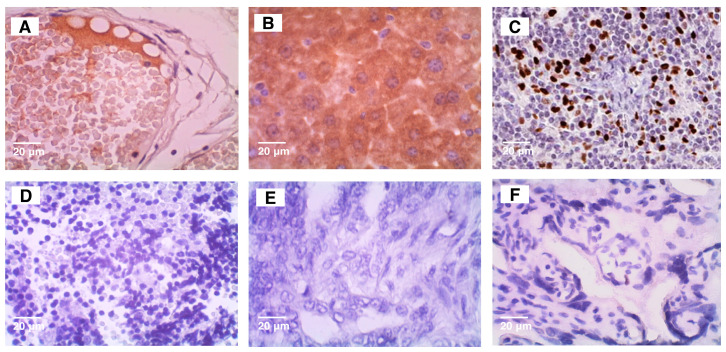 Figure 1
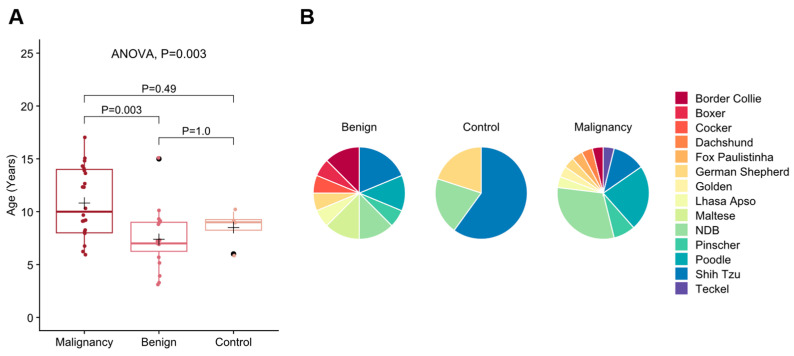 Figure 2
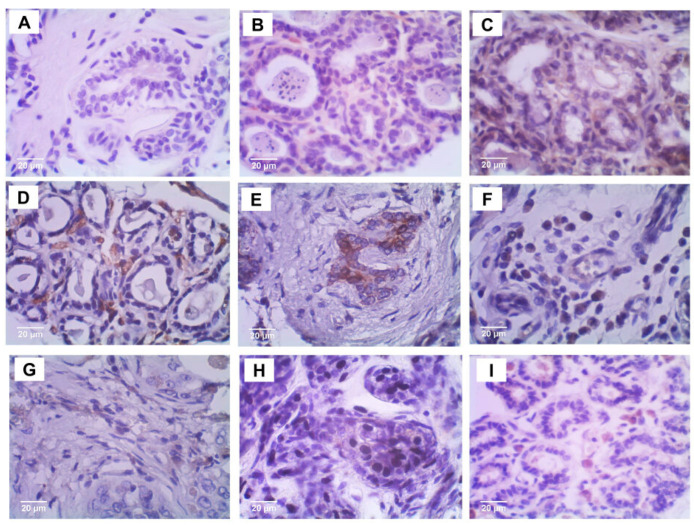 Figure 3
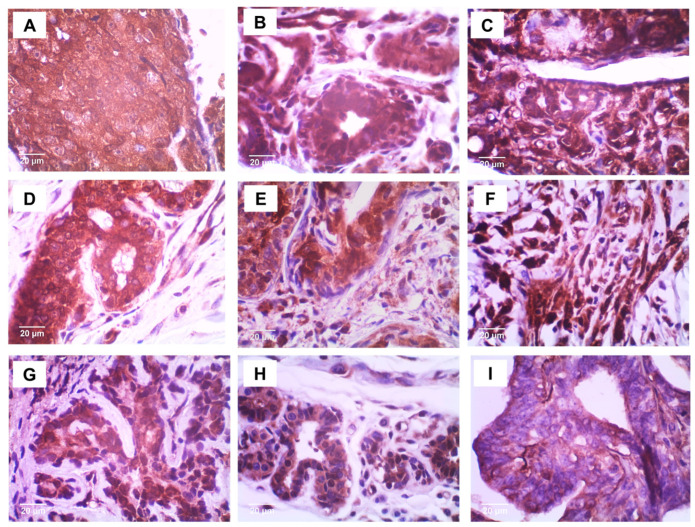 Figure 4
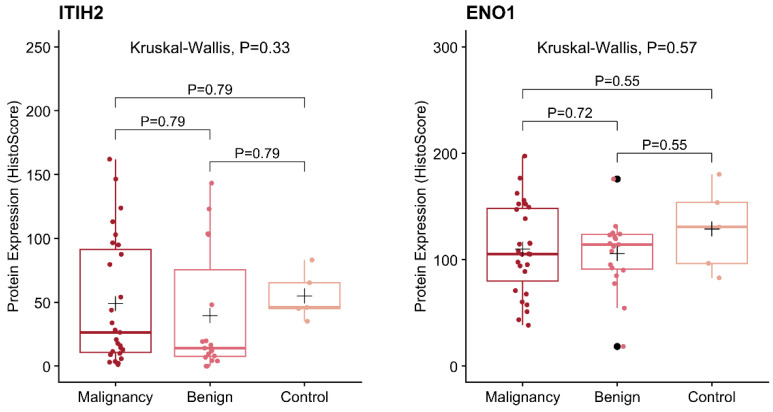 Figure 5
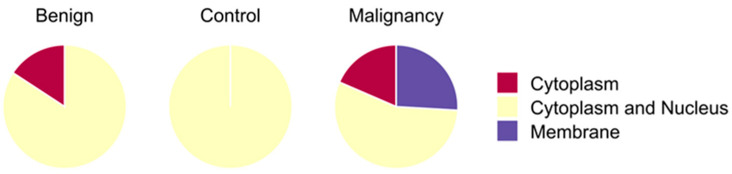 Figure 6
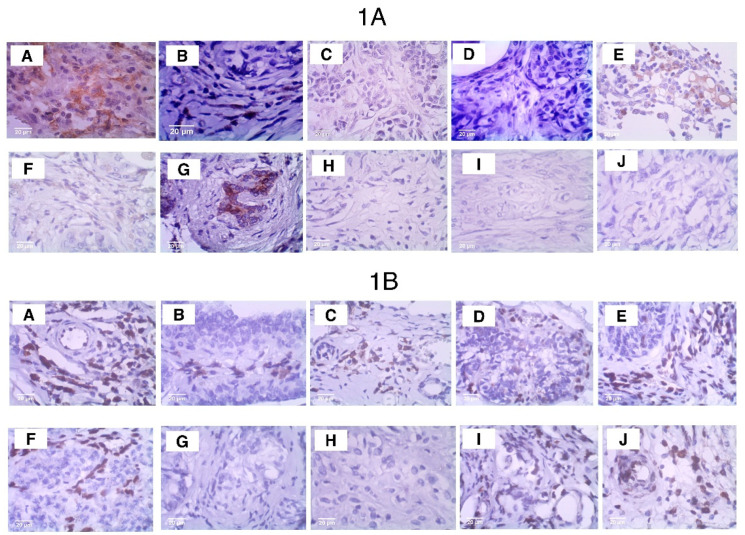 Figure 7
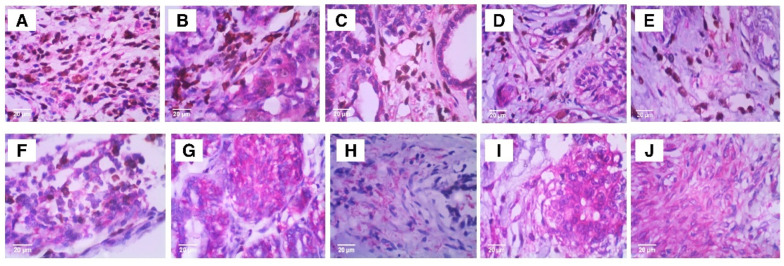 Figure 8
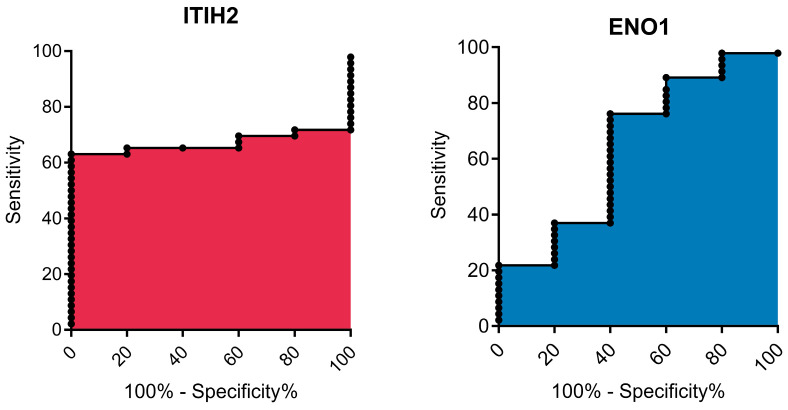 Figure 9
Peer Reviews
No public reviews on file for this paper yet. If you reviewed it on a platform where reviews are public (OpenReview, ICLR, NeurIPS, ICML), you can paste yours below so the community can read it here.
Videos
No videos yet. Explain this paper in a talk, walkthrough, or lecture? Add one.
Taxonomy
TopicsVeterinary Oncology Research · Cell Adhesion Molecules Research · Proteoglycans and glycosaminoglycans research